Windows 11’s needy OneDrive nagging is about to go away
Windows 11 is rolling out a proper OneDrive backup opt-out, replacing recurring prompts that previously let users continue, postpone, or skip — but never permanently refuse.
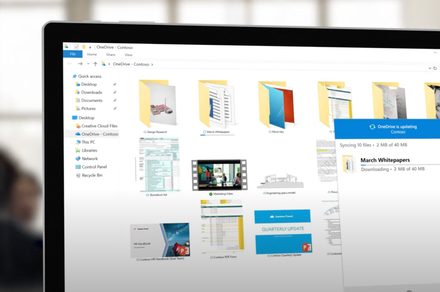
Microsoft is introducing a small update to Windows 11 that has been long-awaited by many users. The upcoming change involves the removal of an annoying nagging prompt that frequently appears on the screen, asking users to enable OneDrive backup. Since its initial installation, users have been faced with an on-screen prompt that gives them the option to enable backup or postpone it for three days.
However, this new "Opt out of backup" button will allow users to permanently dismiss the prompt. The new feature has been spotted on stable Windows 11 installations, specifically on two PCs running Windows 11 25H2. Previously, opting for the remind-me option did not resolve the issue, as Windows could reappear the OneDrive prompt later, causing user frustration.
While the cloud backup and file protection benefits are appreciated, the demand for an opt-out option has been evident for years. This new change is part of Microsoft's ongoing efforts to enhance the Windows experience. However, there is no official announcement regarding a broad rollout schedule for the new button, so users may not see it immediately.
Written by urgent.news from Digital Trends's reporting — not their text. Machine-written — may contain errors; check the original before relying on it.
This story
This is one outlet's version. Read the fullest account.
- Windows may finally take no for an answer, adding a permanent opt-out for OneDrive backup nags techspot.com
- Microsoft is finally going to stop nagging you to back up your files to OneDrive in Windows 11 techradar.com
- Windows 11 finally lets you opt out of OneDrive during setup instead of just reminding you in three days xda-developers.com