Why Indian Farmers Struggle To Secure Fair Prices
Farmers in India do not face issues with the price of the produce. They face issues with perishability. A crop is a ticking clock. Tomatoes become soft. Papayas get bruised. Onions absorb moisture and become mushy. This meant farmers are looking for capital and often forced to rely on loans. Delays could mean huge losses. This is seen in numbers. Reports state that India loses nearly ₹ 1.5…
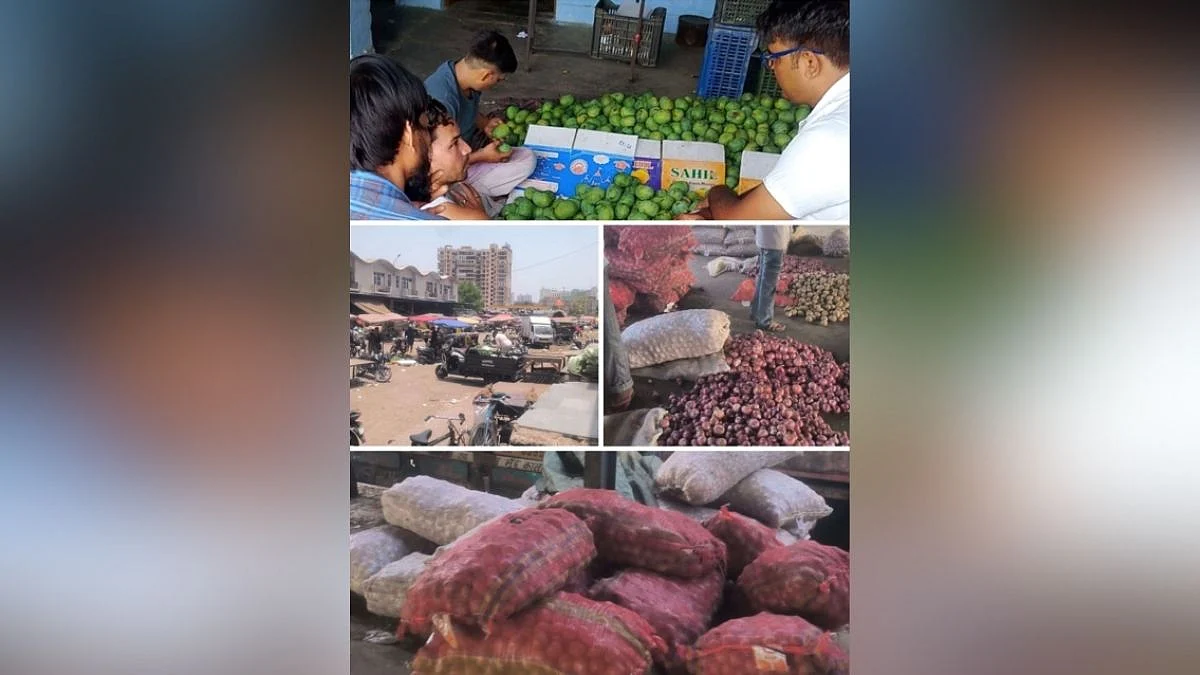
In India, farmers struggle to secure fair prices for their produce due to perishability issues. Tomatoes, papayas, and onions spoil quickly after harvest, leading to significant financial losses. Reports indicate that India loses around ₹1.5 trillion annually, which is 3.7% of the agricultural GDP. A single papaya wholesaler in Mathura lost 200 kilograms of fruit for every 1,000 kilograms purchased, resulting in minimal margins that had to account for spoilage, labor, and transport costs.
The issue is not limited to middlemen exploiting farmers, but also stems from the lack of choice for farmers. They are racing against time to sell their produce, often relying on loans due to delayed procurement and payments. Factors contributing to low margins include rough handling, weak packaging, heat-induced decay, poor road conditions, and delayed transport. In Ghazipur, tomato spoilage was estimated to be between 5-20%.
Good storage facilities can help address these issues, but small farmers often face high transport costs, smaller yields, and lack proper documentation. They are frequently forced to work on the land without title deeds. The system does not recognize many small farmers, and those in remote locations must travel long distances to sell their produce.
The solution lies in creating a connected local system with multiple collection points, crop-specific storage, reliable transport, insurance, short-term credit, and better access to verified buyers. FPOs, cooperatives, and SHGs can negotiate collectively to implement this change. The ultimate goal is to provide farmers with actual choice, enabling them to say, "the price is not fair."
Written by urgent.news from Free Press Journal's reporting — not their text. Machine-written — may contain errors; check the original before relying on it.