TTC’s first subway barrier installation renews criticism over plan
Modelled after barriers on New York City's subway system, the TTC's plan to improve subway safety saw immediate criticism when it was first announced and even more now.
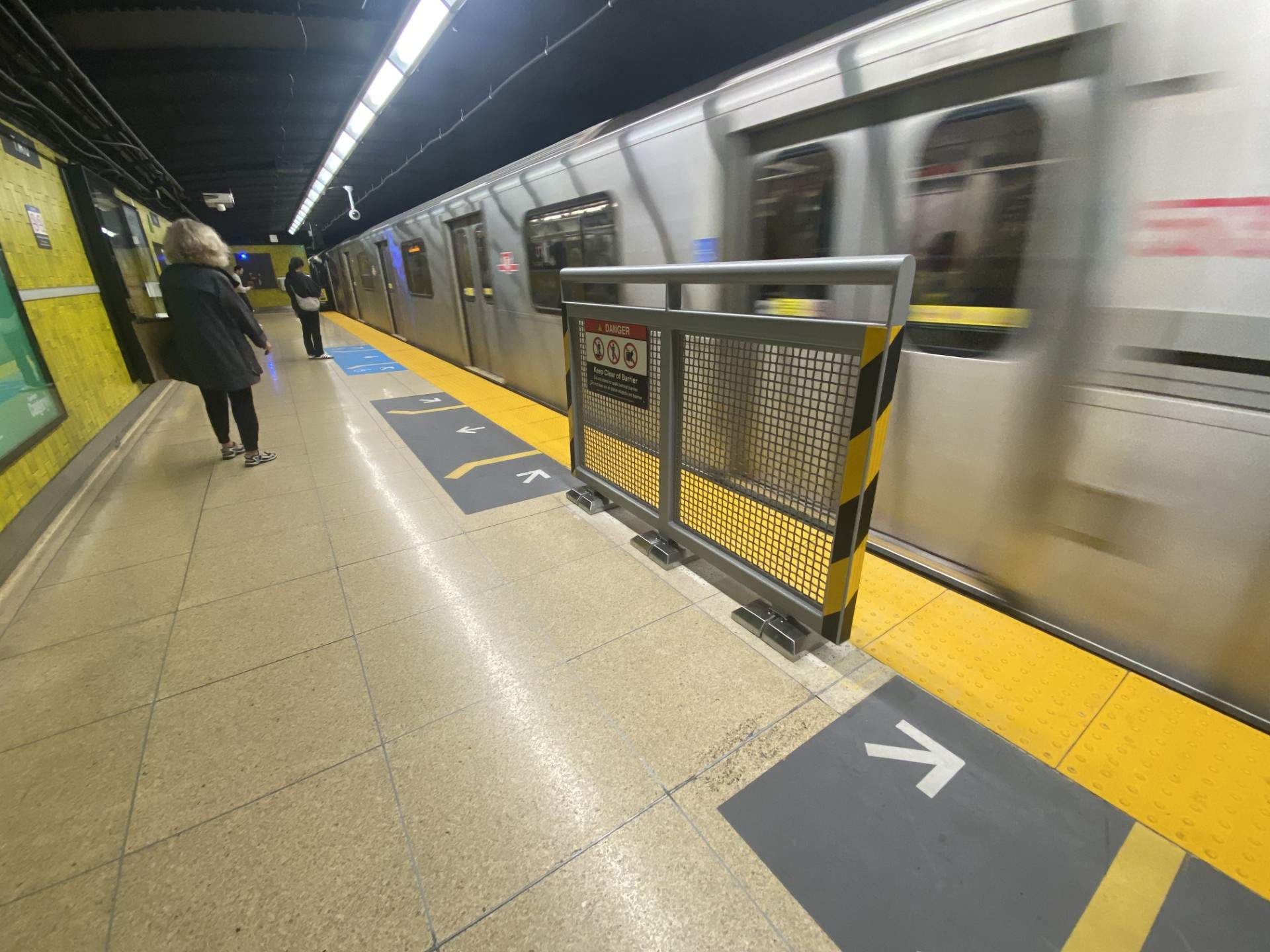
A TTC pilot program introducing safety barriers at subway platforms has faced significant criticism, despite claims of cost-effectiveness and safety improvements. The initiative began at TMU station, with Mayor Olivia Chow and TTC CEO Mandeep Lali announcing the installation of steel barriers to enhance rider safety and increase ridership.
However, the barriers, which feature gaps for doors, drew criticism from passengers, advocates, and politicians like Coun. Josh Matlow, who argued that the money would be better spent on more effective platform edge doors. Matlow stated that the barriers were merely "performative" and not a strong performance.
The installation of these barriers, estimated to cost up to $2 million, comes at a time when Toronto is preparing for its municipal election, and opponents, including mayoral candidate Brad Bradford, seized on the decision. Bradford's campaign argued that floor-to-ceiling doors should be the only solution, stating that they could pay for themselves by preventing deaths, injuries, and delays. However, Chow emphasized that the top-tier option would only be feasible with funding assistance from higher levels of government.
Transit advocate Andrew Pulsifer supported the top-tier option but cautioned that it would only be possible with support from provincial and federal governments. He noted that while the NYC transit system's use of steel gates has shown to make passengers feel safer, especially for elderly and mobility-impaired individuals, perceptions of safety should not overshadow the need for more effective solutions.
The TTC stated that the remaining gates would be installed by the end of September, with the program's success measured by passenger feedback.
Written by urgent.news from Global News's reporting — not their text. Machine-written — may contain errors; check the original before relying on it.