The Tasmanian Tiger's Unique Skull Suggests Sheep Were Not Its Main Prey
Learn how the thylacine’s oversized skull points to a snapping bite that challenges its reputation as a livestock killer.
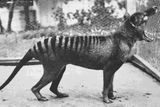
The thylacine, often referred to as the Tasmanian tiger or Tasmanian wolf, possessed a skull uniquely different from that of its wolf-like appearance. Despite its appearance, the thylacine belonged to a distinct branch of mammal family tree and shared a more recent ancestor with kangaroos than with dogs. Its extinction, within 130 years of its initial discovery, was fueled by a belief that it preyed on sheep, even though there was little evidence to support this claim.
The thylacine's skull, with its disproportionately large size and long, narrow snout, was found to be poorly suited to gripping large, struggling animals. Instead, its shape suggests that it likely targeted smaller, agile prey with rapid bites, using its powerful jaws to deliver swift snapping bites. Researchers hope that understanding the thylacine's hunting style may help dispel myths that contributed to its extinction.
Written by urgent.news from Discover Magazine's reporting — not their text. Machine-written — may contain errors; check the original before relying on it.