The Singapore strategies
The nation’s water is secure, but its food is another matter: lessons from the city-state in efficiency versus self-sufficiency - by Peter A Coclanis Read on Aeon
In May 2010, the writer was invited to Brunei to deliver two lectures on agriculture. At that time, Brunei had recently launched a plan to increase its self-sufficiency in rice production to enhance food security and promote sustainability. The writer believed that the plan was misguided and advised the sultanate to focus on its comparative advantage by purchasing rice from neighboring countries in Southeast Asia, which is the heartland of the world's rice belt.
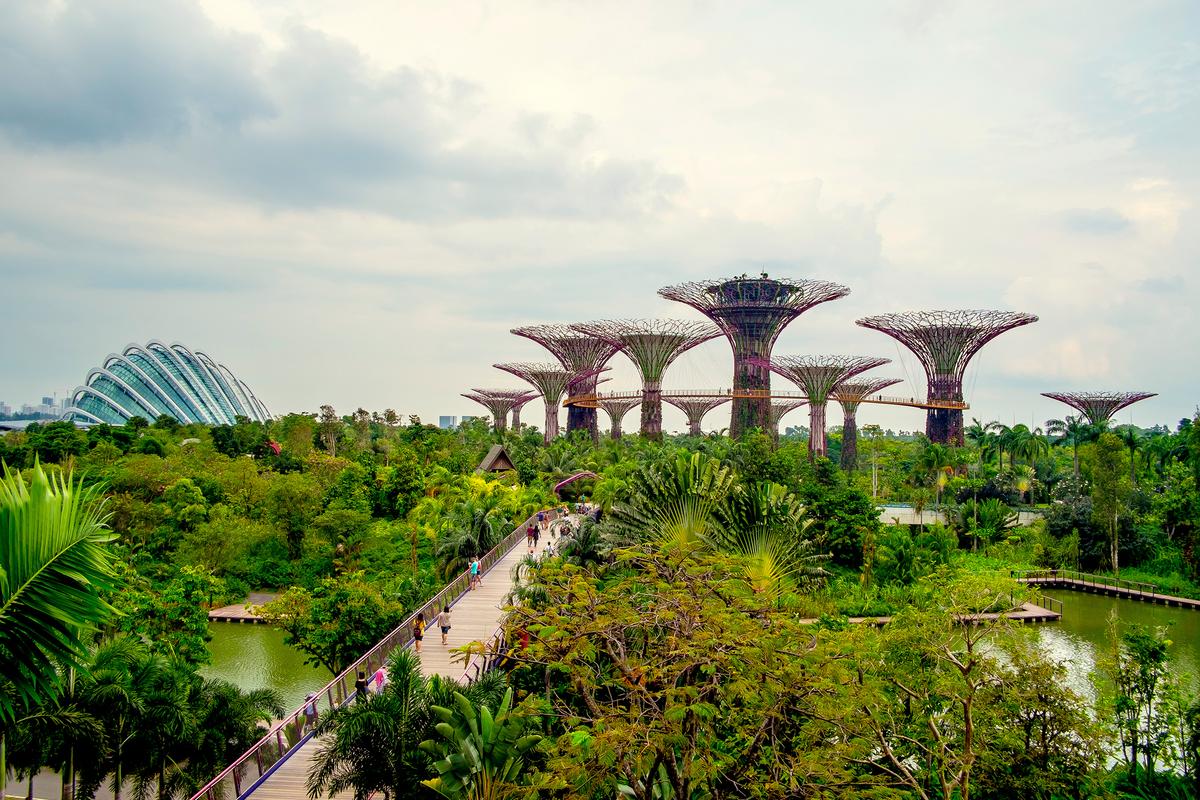
Despite the writer's concerns, Brunei has continued to pursue its rice plan, but has only managed to produce 8% of the rice it consumes, up from 4.8% in 2017. In contrast, Singapore has made significant strides in achieving both water and food security, as well as sustainability. The city-state's interest in these areas dates back to its independence in 1965, when it adopted policies aimed at "greening" the urban environment to promote public health and tourism.
As Singapore's population grew wealthier, it became more supportive of green policies, reflecting a desire to invest in the environment. The PAP, which has ruled Singapore continuously since independence, embraced climate change mitigation, sustainability, and food and water security in the early 2000s. By aligning with mainstream climate narratives and adopting green policies, the PAP showcased its modern, progressive image to its electorate while also improving Singapore's resilience in the face of potential climate-related disruptions.
The Singapore Green Plan, launched in 2021, embodies these priorities, with a goal of transforming Singapore into a "City in Nature" by 2030.
Written by urgent.news from Aeon's reporting — not their text. Machine-written — may contain errors; check the original before relying on it.