The Pentagon spent decades chasing Iron Man. The exoskeletons that actually work are much simpler
This article is republished with permission from Laser Wars , a newsletter about military laser weapons and other futuristic defense technology. The soldier of the future doesn’t carry his weapon into battle—he simply wears it. In Robert Heinlein’s beloved 1959 novel Starship Troopers , Johnny Rico’s powered battlesuit is a second skin of servos and armor that makes him faster, stronger, and more…
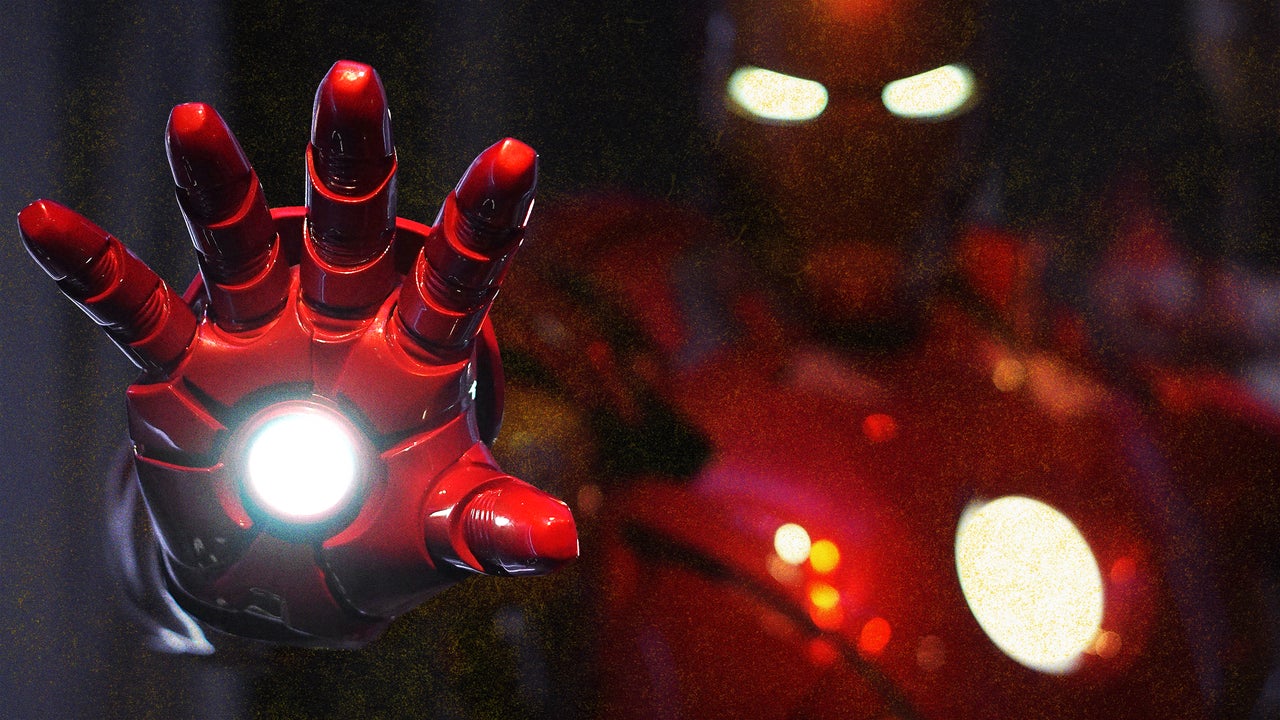
The concept of a powered exoskeleton, a suit of armor that enhances a soldier's strength, speed, and endurance, has been a fascination for decades. This idea, originally popularized in Robert Heinlein's 1959 novel Starship Troopers, depicted a soldier clad in a second skin of servos and armor, capable of feats far beyond human capability.
This notion resonated with the U.S. Defense Department, which, starting in 1963, began seeking real-world exoskeletons that could "run faster, stop quicker, and lift bigger loads than ordinary mortals." Despite this early interest, the reality of creating such a suit has proven elusive.
The journey to develop a functional exoskeleton has been fraught with challenges, dating back to the early 20th century. The first U.S. patent for a spring-powered exosuit was granted to Russian engineer Nicholas Yagn in 1890, followed by another for a steam-powered running device by American inventor Leslie Kelly in 1919. In 1951, Serge J. Zaroodny of the U.S. Army's Ballistic Research Laboratory conducted research on a pneumatically powered prototype, laying the groundwork for future exoskeleton efforts.
However, despite these early attempts, the technology has consistently fallen short of the ambitious military goals set forth.
Throughout the years, various military programs have attempted to bring this vision to life, each with a similar outcome: falling short of expectations. From General Electric's "Hardiman" suit in the 1960s, which was too cumbersome and slow to be effective in combat, to more recent efforts like the Tactical Assault Light Operator Suit (TALOS), which was abandoned after five years due to issues with complex subsystem interdependencies, the military's attempts at creating a functional exoskeleton have repeatedly hit a wall.
These projects, despite significant investment and effort, have been unable to overcome the fundamental engineering and physics limitations that have plagued their development.
Written by urgent.news from Fast Company's reporting — not their text. Machine-written — may contain errors; check the original before relying on it.