The Google TV Streamer now costs $50 more
Google raised the price of its 4K streaming box to $149, up $50 from its original $99 price. The new price is currently live at the Google Store and Best Buy, but Amazon appears to still be offering the original price. The price hike comes just a couple of weeks after Google launched its new […]
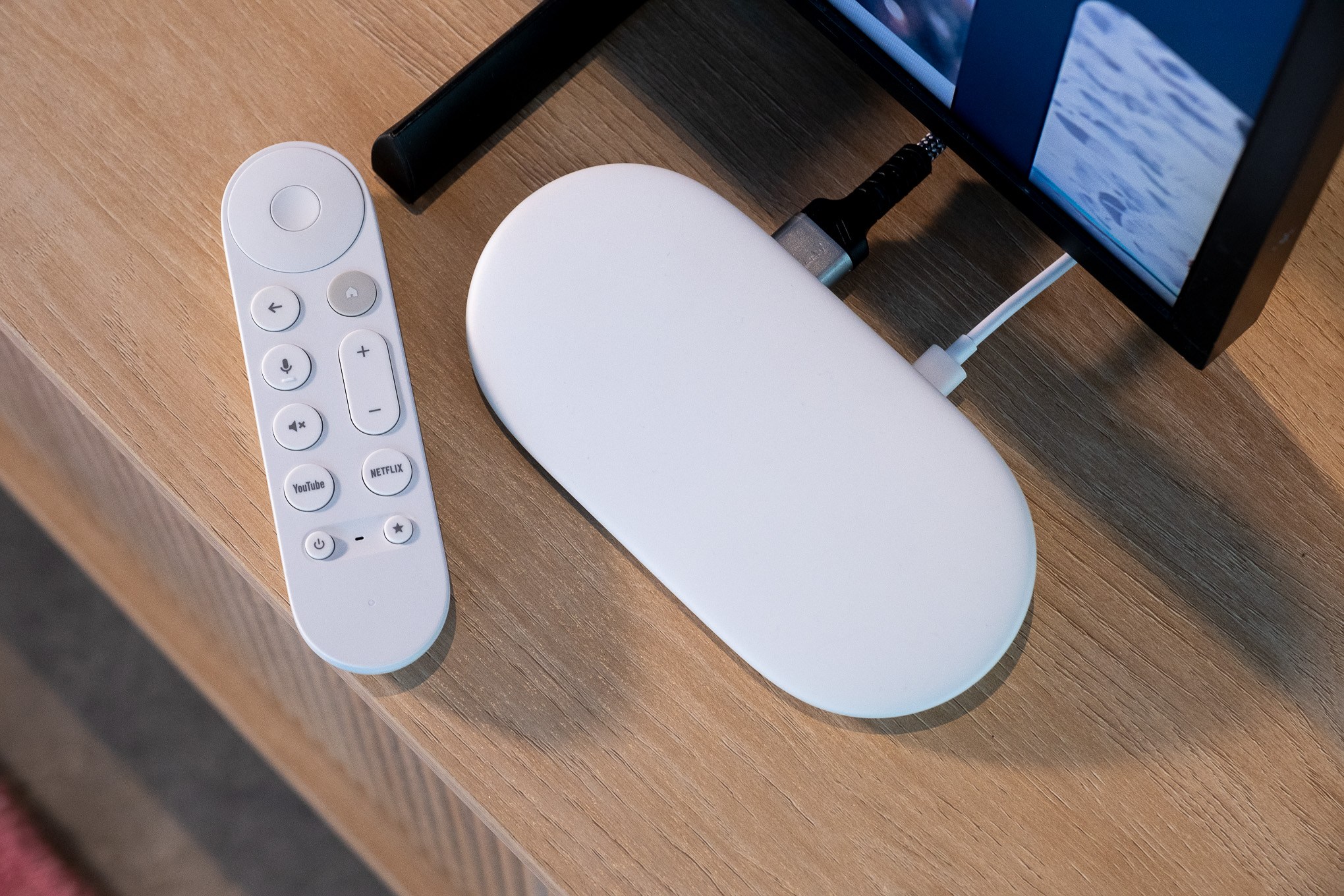
Google has recently raised prices on its Google TV Streamer, alongside an increase in the cost of its Nest camera and doorbell lineup. The price increase, which took effect immediately, affects nearly all Nest products currently available. In the United States, the prices have risen by $20 to $30, marking an 11% hike on most models.
The only product that remains unchanged at this stage is the Nest Cam with Floodlight bundle, which continues to sell for $279.99. The addition of a floodlight in this bundle seems to help offset the $20 price increase for the battery-powered Nest Cam.
Notable exclusions from the price hike include the Google Home Speaker, Nest Learning Thermostat (4th gen), Nest Thermostat, and Nest Hub (2nd gen). These devices are currently being sold at their original prices. However, some third-party retailers are still listing the original prices for certain Nest products, so it's worth checking alternative outlets before making a purchase. The best deal currently available, according to the information provided, is the Nest Cam Indoor (wired, 3rd gen) on Amazon, priced around $85.
For those interested in staying updated on these changes, Ben has shared details on Twitter(X), Threads, Bluesky, and Instagram. Additionally, 9to5Google on YouTube offers more news updates.
Written by urgent.news from 9to5Google's reporting — not their text. Machine-written — may contain errors; check the original before relying on it.
This story
This is one outlet's version. Read the fullest account.
- Google TV Streamer gets a $50 price hike after Apple and Amazon raise their streaming device prices digitaltrends.com
- Google TV Streamer just got a 50% price hike, but here’s how you can get it at the older price androidauthority.com
- Google raises the price of its Google TV Streamer by $50 to $150 in the US, as well as for "select" Nest cameras and doorbells, citing "rising component costs" (Abner Li/9to5Google) 9to5google.com
- The Google TV Streamer just got a 50% price hike, but you can pay less if you act now xda-developers.com
- Google TV Streamer just became a much worse deal androidpolice.com