The balkanization of virtualization will de-throne VMware, which doesn't mind a bit
The real fight is who wins the most AI and K8s workloads
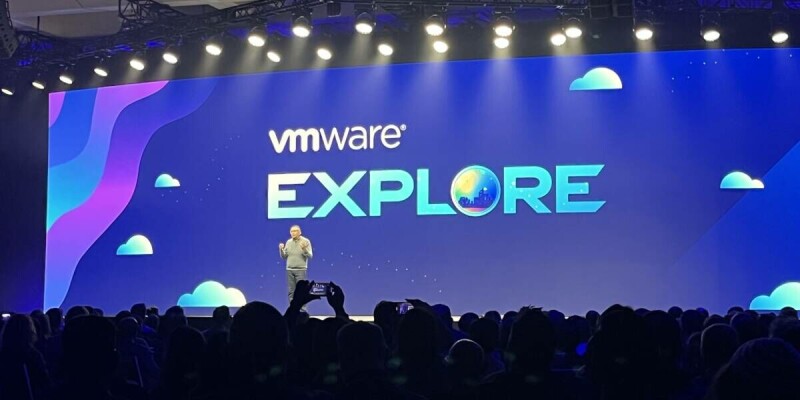
Virtualization giant VMware is on the brink of losing its dominant position in the market, a shift that its parent company Broadcom does not seem to mind. This transformation is expected to unfold gradually, culminating by October 2027, with key dates signaling when customers should move away from or reduce their reliance on VMware.
These dates include November 22, 2026, when the third anniversary of Broadcom's acquisition of VMware approaches; March 31, 2027, when contracts with VMware's Cloud Service Provider (VCSP) program expire; and October 11, 2027, the final day of support for version 8 of VMware Cloud Foundation. Broadcom, the acquirer of VMware, appears set to target around 10,000 to 30,000 customers who require its Virtual Cloud Network (VCF) platform, which is priced higher than the pre-acquisition cost of VMware products.
In response, numerous VMware users are contemplating shifting their virtual estates to alternative platforms. Despite Broadcom's insistence that VCF is more cost-effective, it generally proves to be more expensive than before the acquisition, leading users to seek alternatives. Consequently, many are exploring options such as third-party support, Cisco's hypervisor, or alternative vendors like SUSE, Red Hat, and Acronis, each offering varying degrees of virtualization capabilities.
While these alternatives boast some features that rival VMware's, they generally fall short in terms of innovation and leadership in the virtualization space.
Written by urgent.news from The Register's reporting — not their text. Machine-written — may contain errors; check the original before relying on it.