South Africa’s townships are the real test of government
Ahead of the 2026 local government elections, South Africa’s townships should be the ultimate test of political promises—from safety and services to housing, transport and economic opportunity.
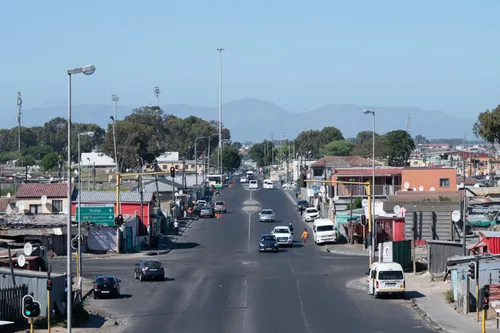
South Africa's townships are the ultimate litmus test for the country's government. Despite decades of democracy and numerous election promises, the condition of these townships remains alarmingly unchanged. From the creation of Ndabeni in 1901 to the Natives (Urban Areas) Act of 1923, which segregated Black and Coloured residents from white neighborhoods, the government has consistently resorted to dividing and containing black communities.
This pattern continued well into the post-apartheid era, with townships remaining riddled with crime, poverty, and high unemployment.
Politicians often exploit the electorate's desperation, making outrageous promises and campaigning with pompous speeches that lack substance. After elections, voters are often abandoned, and their lives in the townships continue to deteriorate. Despite the number of townships reaching 21.7 million people in South Africa, most areas are unsafe for residents, with small cafes requiring bulletproof barriers and frequent drive-by shootings. Unemployment remains endemic, and children cannot play outside without fear of violence.
The failure of the government to transform townships into safe, thriving communities is the clearest indicator of its incapacity to govern effectively. As the Township Potential Atlas reveals, more than 26 million people are living in these untransformed environments, where violence and poverty dominate daily life. The situation reaches a critical point ahead of the 2026 local government election, with townships becoming untransformable time bombs waiting to explode.
Written by urgent.news from IOL's reporting — not their text. Machine-written — may contain errors; check the original before relying on it.