Single-Use Comes of Age–What Comes Next?
Single-use systems (SUS) bioprocessing technology has become mainstream. But the more interesting question today is what the industry needs next, and how SUS will enable the future. The post Single-Use Comes of Age–What Comes Next? appeared first on GEN - Genetic Engineering and Biotechnology News .
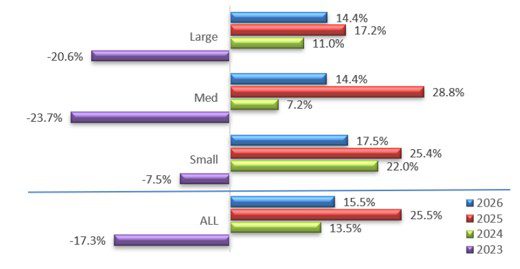
The biopharmaceutical industry's evaluation of single-use technologies has shifted from adoption to exploring what lies ahead. At the 2026 Bio-Process Systems Alliance (BPSA) International Single-Use Summit, the focus has expanded beyond mainstream SUS bioprocessing to identifying the industry's next steps and how SUS can enable the future.
Single-use market data, presented by BioPlan Associates in the 23rd Annual Report and Survey of Biopharmaceutical Manufacturing Capacity and Production, showed industry growth returning to normal after pandemic volatility. Single-use volume growth fell in 2023 but rebounded strongly in 2024 and remained positive in 2025. Eric Langer, managing partner at BioPlan Associates, characterized the current environment as one of "realistic optimism" with disciplined investment and decision-making.
The next wave of innovation is increasingly about building around and into single-use technologies, such as intensified and continuous processing, automation, better integration, and smarter, less expensive manufacturing. Carsten Lau, market development manager at Brückner Group USA, noted a shift in conversations from tariffs, supply chains, and industry adaptation to solving technical challenges like particulate control.
This upstream concern affects single-use system and bag manufacturers, who are asking equipment suppliers to improve automation, control, and inspection to reduce particulate levels. The changing pipeline necessitates a different manufacturing model, with collaboration across the single-use value chain to address biopharmaceutical end users' needs.
Manufacturing productivity and efficiency remain high priorities, but suppliers are being asked to focus on automation and artificial intelligence rather than incremental improvements to individual single-use components. The medicines being manufactured are also changing, with smaller biotech companies and precision medicines driving the industry.
Approximately 60% or more of new drug approvals now come from small and mid-sized companies, reflecting the maturation of the technology and the need for smaller footprints and more flexible manufacturing units. Approximately 43% of survey respondents indicated that they expect to evaluate upstream continuous bioprocessing or perfusion during the next 12 months, supporting the idea of scaling down rather than simply scaling up manufacturing.
Written by urgent.news from GEN Biotechnology's reporting — not their text. Machine-written — may contain errors; check the original before relying on it.