Russia’s spy hunt is paralyzing state institutions and weakening Putin’s rule
As the war against Ukraine drags on, the Kremlin has found it necessary to adopt a more aggressive strategy to control both potential opponents and ordinary Russians. But governing through spy hunts and paranoia carries serious consequences.
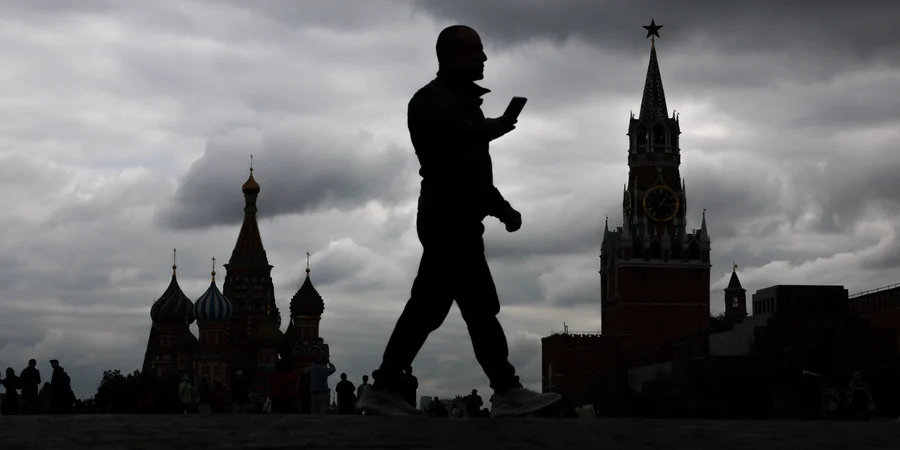
As the conflict with Ukraine persists, the Kremlin has adopted a more aggressive approach to maintain control over potential dissenters and Russian citizens. This strategy, however, has severe repercussions on Russia. Foreign Affairs delves into how Vladimir Putin's paranoia is crippling Russia. Since the invasion of Ukraine, the Kremlin has progressively tightened its grasp on society.
Compared to the pre-February 2022 freedoms, these new measures starkly contrast. More intriguingly, there's a profound transformation in Russia's domestic security doctrine. The Federal Security Service, or FSB, now prioritizes hunting spies, employing Soviet-era tactics to eliminate any regime threats. This has enabled the FSB to penetrate deeper into society, private enterprises, and governmental institutions.
Nevertheless, governing through spy hunts and paranoia has substantial costs, according to the authors. Government agencies and businesses, fearing FSB repression, withhold accurate data, avoid making decisions, and function in a state of panic. Ordinary Russians and civil servants experience heightened distrust and a sense of paralysis.
The Kremlin's capacity to govern the country might be undermined, they speculate. By turning perceived political threats into potential treason, Moscow relies on secret FSB assessments instead of legal standards. Consequently, officials, elite members, and private organizations are increasingly hesitant to disclose information about politically unpopular facts or developments.
The situation is further complicated by Russian industry's ties to the military. Private companies involved in military projects face counterintelligence scrutiny, and cost overruns or delays may result in treason charges. Russian research institutions are also reluctant to share data. Even non-controversial data, like technical findings, research outcomes, or statistics, are viewed as security threats.
Strict oversight by security services has significantly restricted the publication of routine statistics. While the Kremlin has achieved its short-term political objectives, this approach has come at a significant cost. Officials fail to report issues before they escalate into crises, regional authorities await explicit orders before taking action, and researchers, statistical agencies, and businesses withhold information useful to authorities.
Civil servants across the government delay effective decisions while awaiting instructions "from above." For the Kremlin, the risk of elite paralysis is real and is spreading among senior officials and managers in Moscow and the regions. By dismantling feedback channels, Putin's regime is becoming increasingly unable to grasp the true state of affairs in the country, the authors deduce.
Over the long term, this could leave Putin significantly more vulnerable to a serious political crisis.
Written by urgent.news from New Voice of Ukraine's reporting — not their text. Machine-written — may contain errors; check the original before relying on it.