Roman Commissioning
Where is Roman? Roman is making its three-month journey from Earth to Sun-Earth Lagrange Point 2, or L2. Along the way, Roman is undergoing a process called commissioning, where systems are turned on, adjusted, calibrated, and prepared for science operations. Commissioning is the time for scientists and engineers to make sure that Roman is performing […]
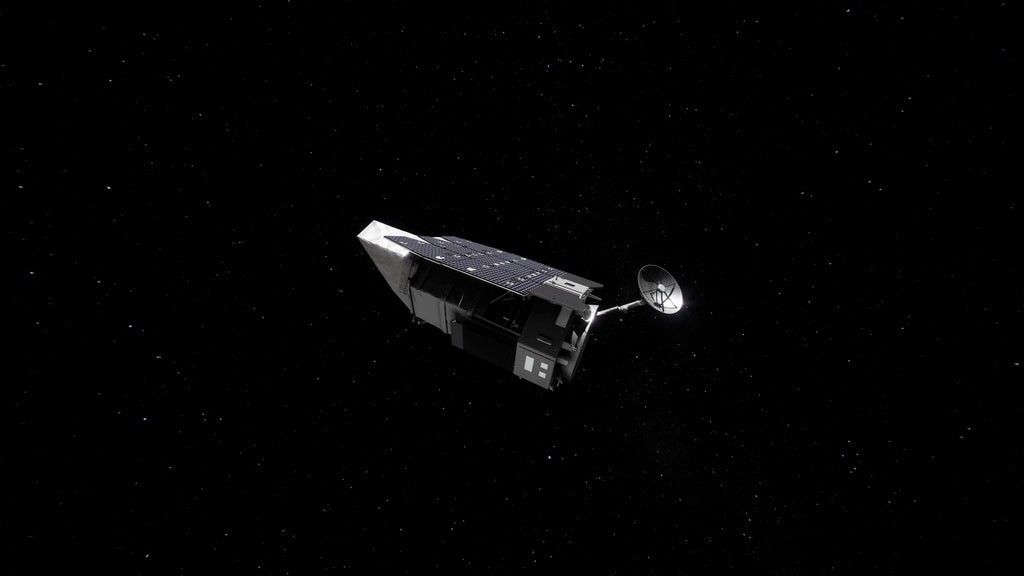
Roman, a space telescope, is currently on its journey from Earth to the Sun-Earth Lagrange Point 2, or L2, where it will commence its three-month commissioning process. Commissioning involves the gradual activation, adjustment, calibration, and preparation of the telescope's systems for its scientific operations. The team overseeing the mission is flexible with the schedule, adjusting and reassessing as needed.
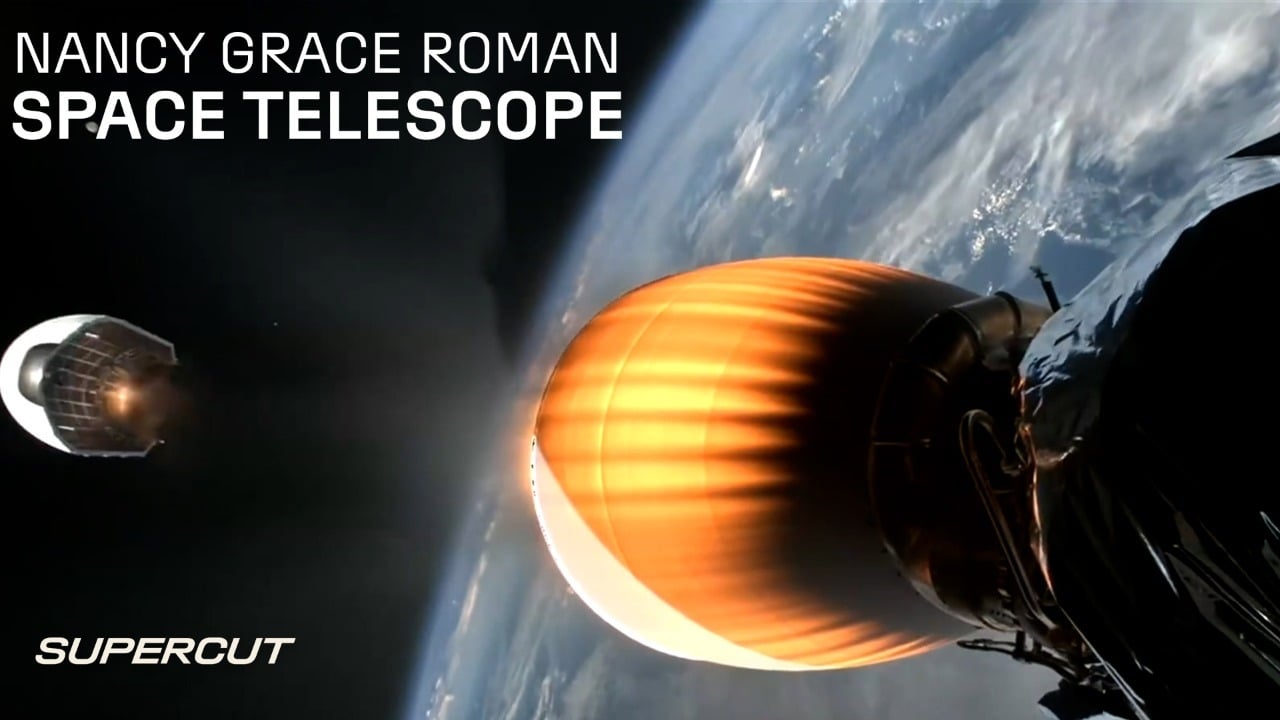
Just one hour and twenty-three minutes after launch, Roman started to emerge from its compact configuration within the rocket fairing. The solar panels and sunshade deployed, providing shade for the rest of the observatory and powering the systems. In the days to come, the antenna will be swung out, and a visor-like deployable aperture cover will be placed to permanently unveil and shield the primary mirror.
Roman's orbit around L2 will be a stable, halo orbit. In this position, the combined gravity of the Sun and Earth, along with Roman's motion around the Sun, will keep it aligned with Earth, allowing for a consistent orbit without consuming much fuel. This location also offers an exceptionally stable optical performance and an unobstructed view of a vast portion of the sky. The proximity to Earth ensures that heat from Earth, the Sun, and the Moon have minimal impact on infrared telescopes, which detect heat.
Written by urgent.news from NASA's reporting — not their text. Machine-written — may contain errors; check the original before relying on it.
This story
This is one outlet's version. Read the fullest account.
- Roman Commissioning science.nasa.gov