Roman Commissioning
Where is Roman? Roman is making its three-month journey from Earth to Sun-Earth Lagrange Point 2, or L2. Along the way, Roman is undergoing a process called commissioning, where systems are turned on, adjusted, calibrated, and prepared for science operations. Commissioning is the time for scientists and engineers to make sure that Roman is performing […] The post Roman Commissioning appeared…
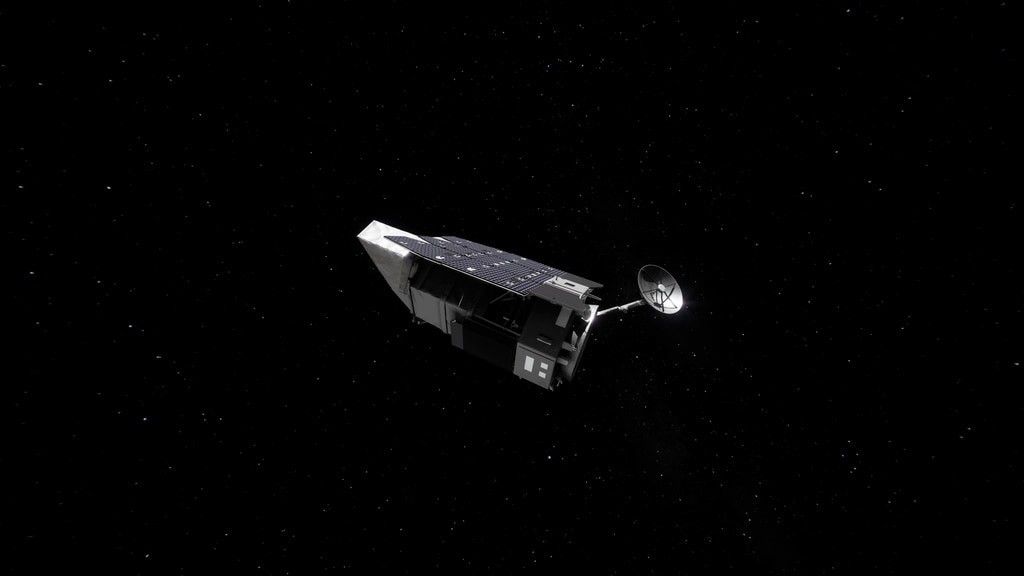
Roman, a space telescope, is embarking on a three-month journey towards the Sun-Earth Lagrange Point 2, or L2. During this transit, the telescope is undergoing a crucial phase known as commissioning. This period involves the gradual activation, adjustment, calibration, and preparation of its various systems to ensure they function optimally for scientific observations.
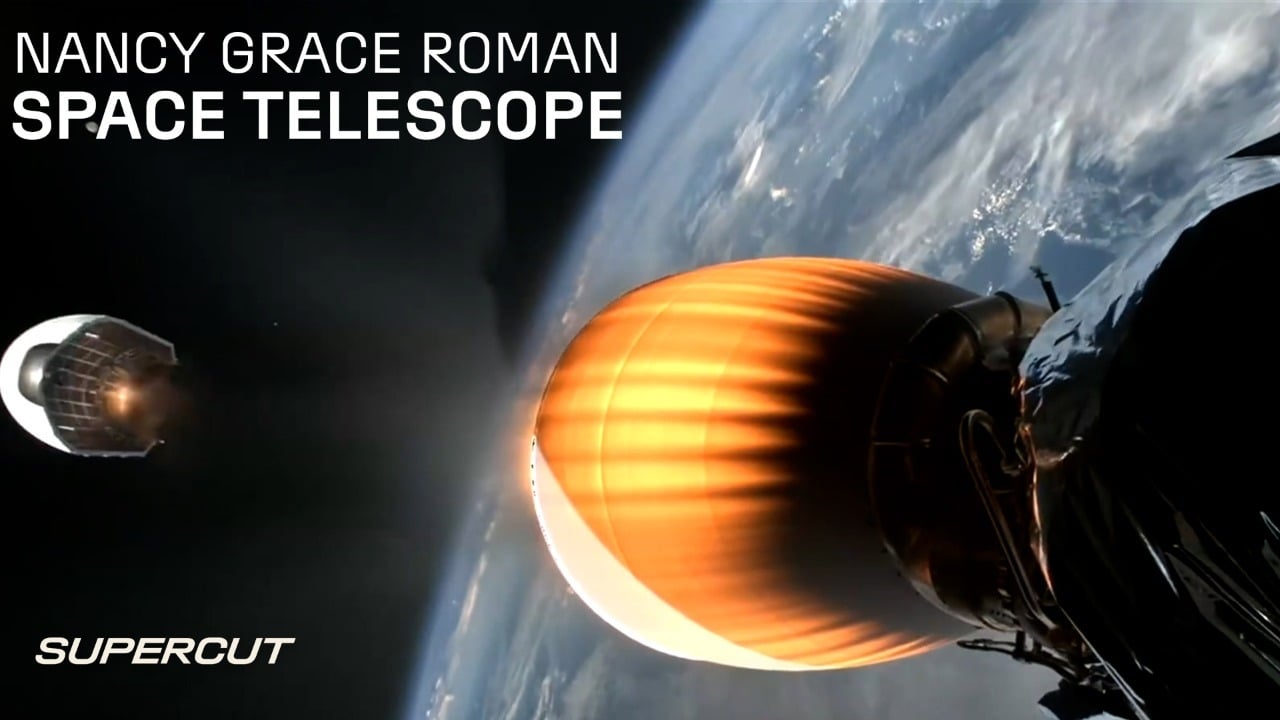
Upon launch, Roman's solar panels and sunshade automatically unfurl, providing necessary shading for the observatory and powering its systems. A short while later, the telescope's antenna extends outward, while a protective cover designed to reveal and shield the primary mirror is deployed. This sequence of events ensures Roman's readiness for the demanding tasks ahead.
The specific location Roman will occupy in space is a stable halo orbit around the L2 point. This unique position, where the gravitational forces of the Sun and Earth, combined with the telescope's own motion around the Sun, allow it to remain in a fixed position relative to Earth. Such an orbit requires minimal fuel consumption and offers Roman a steady view of the cosmos, unobstructed by Earth's presence.
Operating from L2 also presents Roman with several advantageous conditions. The region's distance from Earth, the Sun, and the Moon reduces its infrared observations' interference from these celestial bodies, allowing Roman to detect faint heat signatures more effectively. By visiting the Roman Systems page, one can further explore the various components undergoing preparation for their scientific missions.
Written by urgent.news from NASA Science's reporting — not their text. Machine-written — may contain errors; check the original before relying on it.
Also reported by 1 other outlet
- Roman Commissioning science.nasa.gov