Nissan and Honda ink deal to boost competitiveness with ‘faster development cycles’ in vehicle software
Under the deal, Nissan, based in the port city of Yokohama, and Tokyo-based Honda will share standardized parts in “core ECUs,” as well as software.
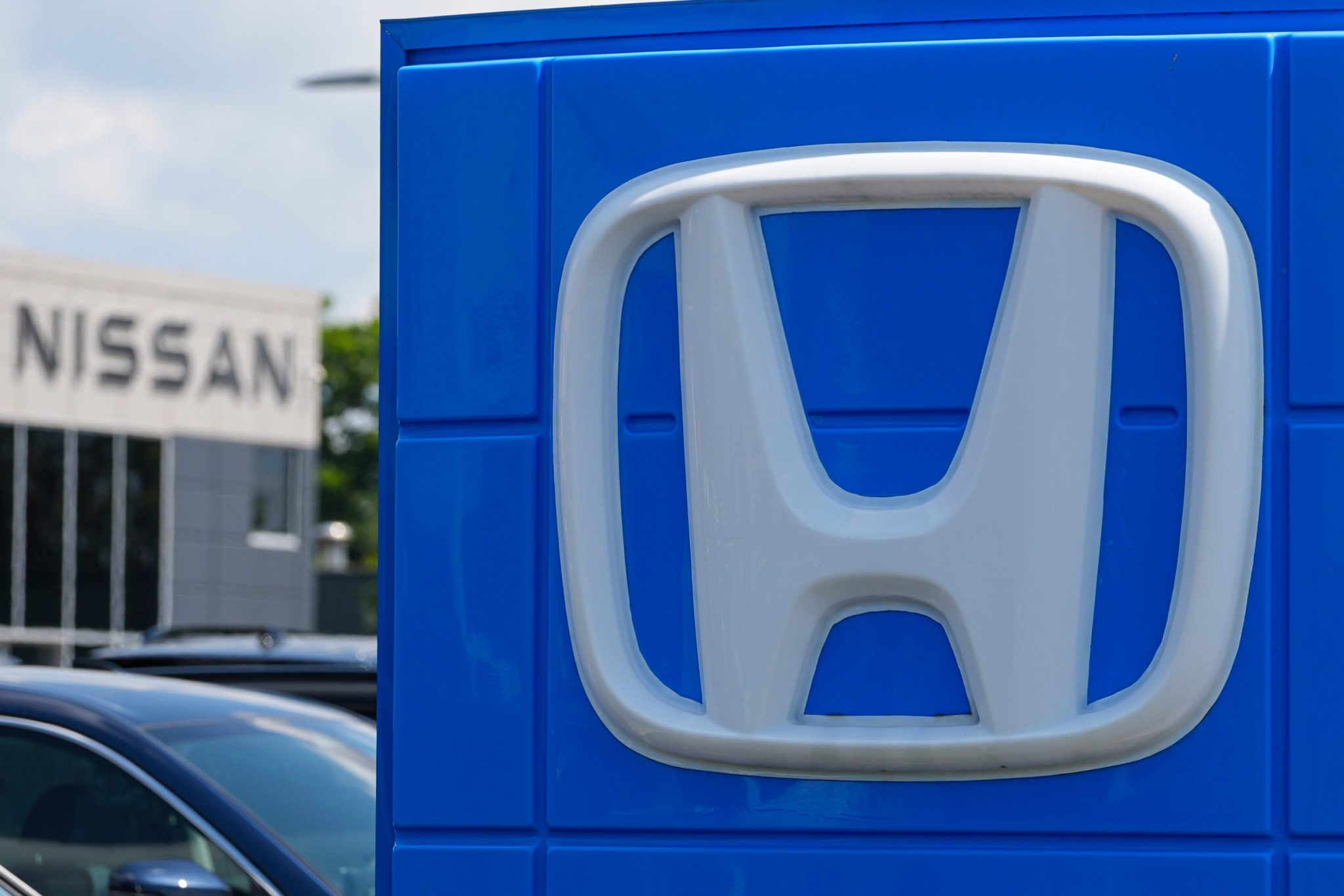
Japanese automakers Nissan and Honda have formed a partnership to jointly develop vehicle software and core electronic control units. The agreement, signed on Monday, will enable the companies to share standardized parts and collaborate on research, which is expected to reduce costs and speed up development, ultimately leading to more efficient and cost-effective production.
The deal was first discussed in 2024 and focuses on software-defined vehicles, which are equipped with functions and features that can be updated and controlled through software. Nissan, based in Yokohama, and Honda, based in Tokyo, are set to develop electric vehicles and auto intelligence technology together.
While the agreement does not specifically mention electric vehicles or any particular models, it is anticipated that the partnership will include EVs. As the global auto industry becomes increasingly competitive due to advancements in automated driving and zero-emissions technologies, Nissan and Honda's collaboration aims to enhance their competitiveness.
The automakers recognize the importance of intelligence and electrification technology in their partnership and are exploring various opportunities for collaboration beyond software development. These may include advancements in zero-emissions vehicles and efforts to reduce traffic fatalities. Both Nissan and Honda emphasize their commitment to strengthening competitiveness through faster development cycles and more efficient investment in the software domain.
Written by urgent.news from Fortune's reporting — not their text. Machine-written — may contain errors; check the original before relying on it.