New Test for Broken-Heart Syndrome Offers Insights into the Mysterious Disease
It could prevent unnecessary invasive procedures The post New Test for Broken-Heart Syndrome Offers Insights into the Mysterious Disease appeared first on Nautilus .
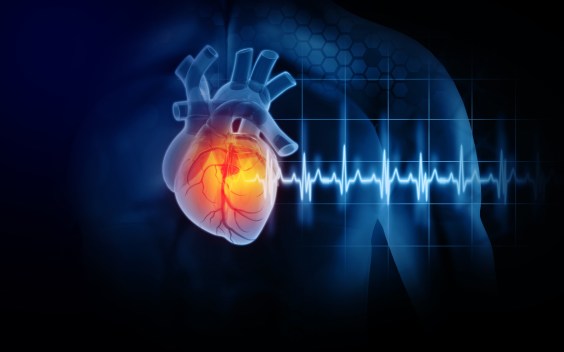
Takotsubo syndrome, also known as broken-heart syndrome, is a mysterious condition that often follows acute emotional stressors, such as the loss of a loved one. Diagnosis typically involves invasive procedures like catheterization to detect arterial blockages and differentiate it from a traditional heart attack. However, a new study could offer a non-invasive alternative for detecting this condition.
Researchers from the University of Zurich examined blood samples from over 3,600 patients, leading to the identification of five biomarkers that accurately predicted broken-heart syndrome in nearly 90 percent of cases. The BioTAK score, derived from these biomarkers, including peptidylglycine α-amidating monooxygenase (PAM) and soluble lectin-like oxidized low-density lipoprotein receptor-1 (sLOX-1), provides insights into the biological processes that distinguish this syndrome from a classic heart attack.
While the new test shows great promise in guiding diagnostic procedures and avoiding unnecessary invasive tests, it won’t replace traditional catheterization entirely.
Written by urgent.news from Nautilus's reporting — not their text. Machine-written — may contain errors; check the original before relying on it.