Nepal floods: could foreign rescue teams have been brought in earlier?
The Nepalese government has appealed for rescue aid from other countries just two days after it reportedly refused help, as several hundred people are still believed to be trapped in hydropower tunnels and thousands remain missing following the catastrophic flash flooding at the border with China last week. Kathmandu’s apparent reversal reflects caution born from its chaotic experience with…
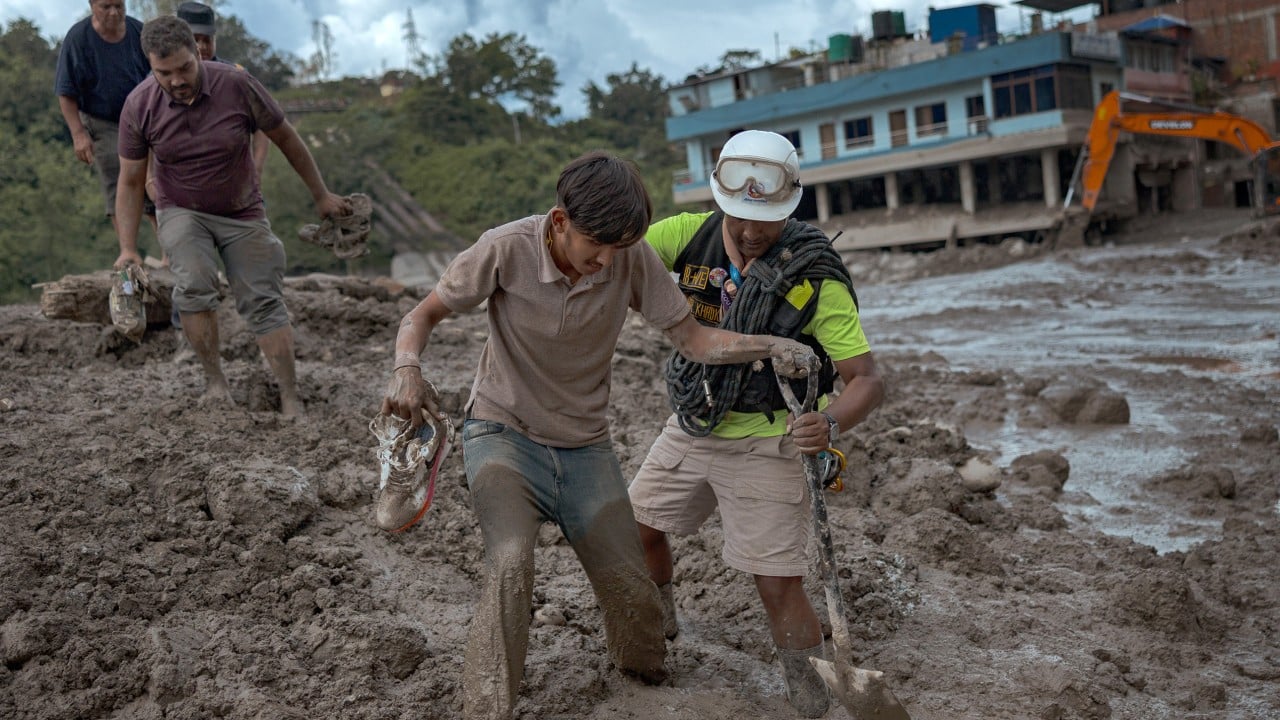
The Nepalese government has appealed for foreign rescue teams just two days after initially refusing help, as hundreds remain trapped in hydropower tunnels and thousands are missing following catastrophic flash floods at the Nepal-China border. Kathmandu's decision to change its stance reflects caution from past experiences with foreign teams during the 2015 earthquake, as well as concerns over controlling relief operations and anticipating the strain on domestic capabilities.
Foreign Minister Shisir Khanal requested "specific specialised assistance" including technology for locating people, forensic analysis, and mortuaries. He dismissed media reports rejecting international aid as "false," emphasizing the scale of the devastation and the need for assistance beyond rescue and relief. The ice-rock avalanche and ensuing floods along the Nepal-China border have obliterated settlements and led to over 800 deaths in Nepal and at least 16 in China, with thousands still reported missing.
The Nepal Army has rescued 272 from hydropower projects, and teams from India, China, and South Korea are searching for survivors. However, relatives are growing increasingly desperate for more international aid, citing the initial decision to deny it as potentially hastening deaths. Experts criticize the lack of adequate disaster preparedness and prepared suggestions for better simulation, strategy, and investment in preparedness, including simulations and scenario mapping.
The government, while defending its actions, acknowledges the need for better coordination and foreign assistance, especially in areas outside local expertise.
Written by urgent.news from South China Morning Post's reporting — not their text. Machine-written — may contain errors; check the original before relying on it.
Also reported by 5 other outlets
- Nepal teams seek hundreds trapped in hydropower tunnels after deadly floods dawn.com
- Gov't team begins ground search for 9 missing Koreans in Nepal floods koreatimes.co.kr
- Nepal teams seek hundreds trapped in hydropower tunnels after deadly floods jpost.com
- Nepal teams seek hundreds trapped in hydropower tunnels after deadly floods thejakartapost.com
- Gov't team begins ground search for 9 missing Koreans in Nepal floods en.yna.co.kr