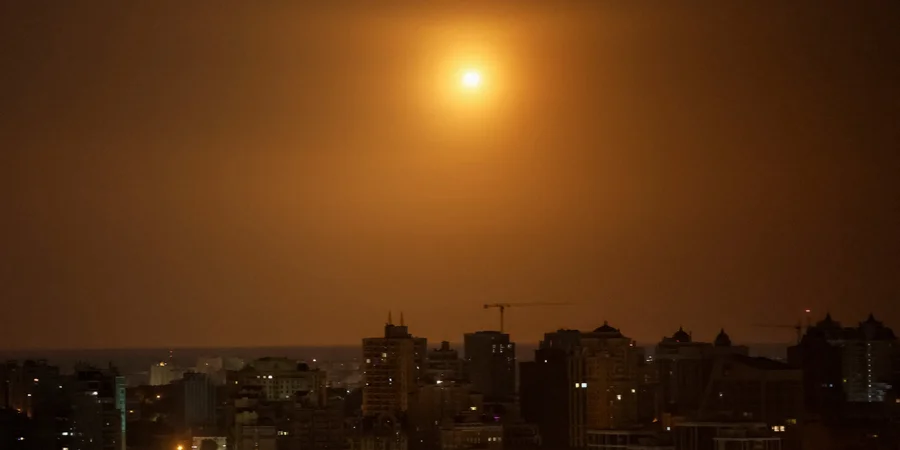
Malaysia’s air quality turns hazardous as Indonesian wildfires burn
Air pollution in Malaysia’s Bornean state of Sarawak has surged into hazardous territory, with the air pollutant index (API) topping 400 in the worst-hit district, as forest fires raging in Indonesia continue to send thick smoke drifting across the border. Serian in Sarawak, closest to the frontier with Indonesia’s West Kalimantan province, recorded the highest reading of 476 as of Monday…
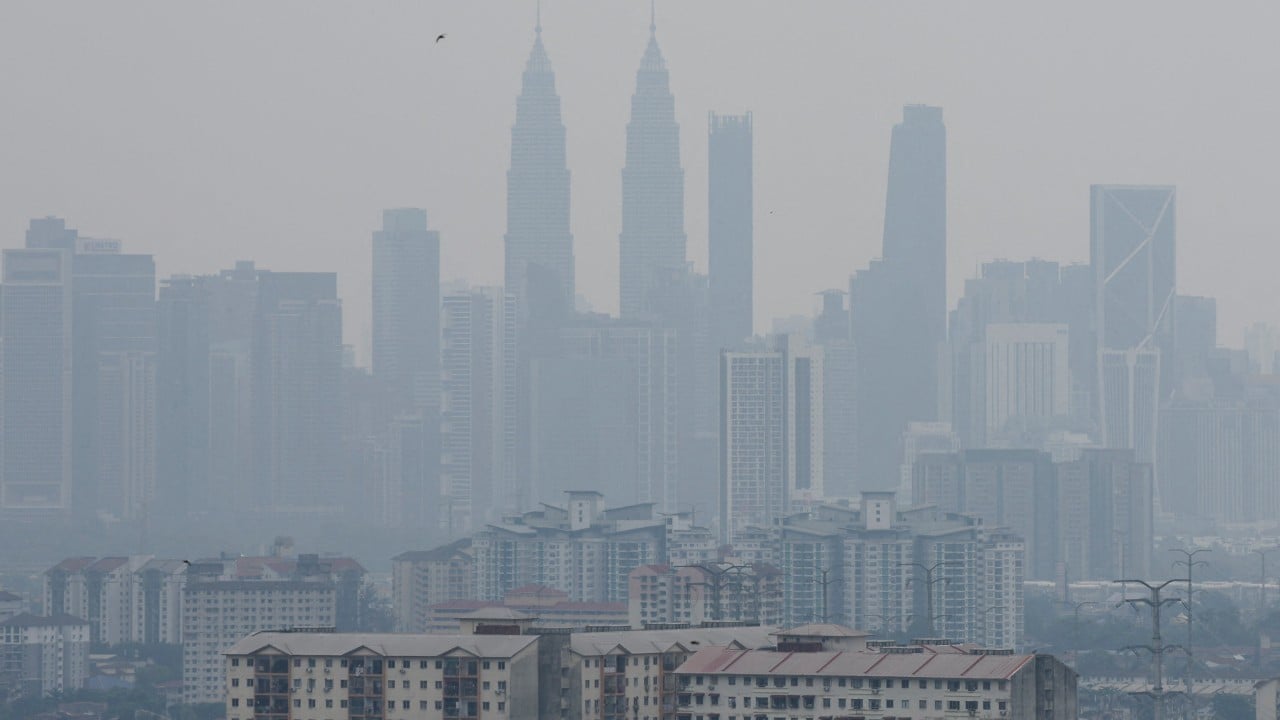
Malaysia's air quality in the Bornean state of Sarawak has become hazardous, with pollution levels exceeding 400 on the air pollutant index (API). Serian, the district closest to Indonesia's West Kalimantan province, recorded the highest reading of 476. Kuching, Samarahan, and Sri Aman also exceeded 300 as of Monday morning. The API scale classifies readings above 300 as hazardous, 201-300 as "very unhealthy", 101-200 as "unhealthy", 51-100 as "moderate", and 0-50 as "good".
Malaysia has activated its National Open Burning Action Plan and National Haze Action Plan in response to the fires and health risks posed by the smoke. Schools are instructed to suspend outdoor activities and shut down when API readings exceed 100, while they must close immediately once readings surpass 200. If API levels remain above 150 for over 24 hours, authorities plan to launch cloud-seeding operations and activate the Disaster Management Committee.
Satellites have identified 1,190 active hotspots in Kalimantan and 18 in Sumatra, while 13 hotspots were found within Malaysia, with Sarawak, Perak, and Sabah affected. Dry conditions persist across much of the region, except for northern Sumatra and Peninsular Malaysia, which have received some rain. The Asean Specialised Meteorological Centre in Singapore detected the hotspots using satellite analysis.
Indonesia's national disaster management agency reported severe haze conditions in Kalimantan, with visibility dropping below 1.5km in three priority provinces. Indonesia has around 50,000 personnel on standby for firefighting and monitoring operations, with 53 aircraft on standby for water bombing and aerial patrols. Firefighting efforts are also being intensified in West Papua, where 35 hotspots and active fires have been detected.
Climate scientists attribute the fires to El Nino, a climate pattern associated with reduced rainfall in Southeast Asia. El Nino causes soils and vegetation to dry out, making peatlands more susceptible to fire. When fires occur on a large scale, the smoke can be transported by winds across national borders.
Written by urgent.news from South China Morning Post's reporting — not their text. Machine-written — may contain errors; check the original before relying on it.