Malaysia needs more productive workplaces, not more workers
Malaysia’s labour shortages are real, but poor processes and management may be holding businesses back more than a lack of workers.
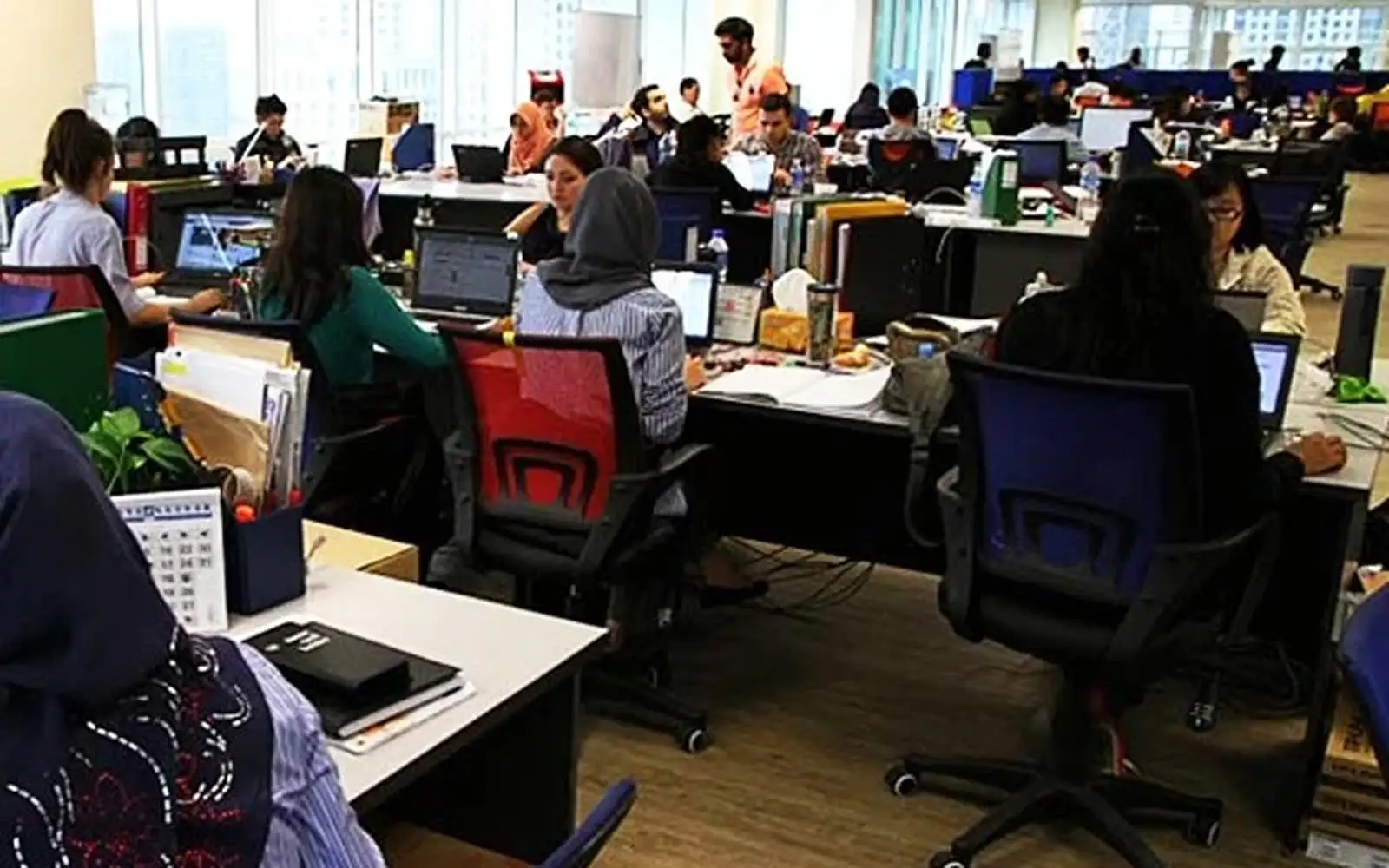
Malaysia must focus on enhancing productive workplaces rather than simply increasing the workforce, according to latest statistics. While labor productivity per hour worked rose 5.5% in the second quarter of 2026, reaching RM46.50 in value added per hour, total hours worked amounted to about 9.6 billion during the same period. However, the issue of labor shortages persists in certain industries, occupations and locations, prompting questions about whether adding more workers to inefficient systems is the right solution.
Malaysia's economy is working, but is it creating enough value? Productivity is not merely about forcing employees to work harder; it depends on the skills of workers, the technology they use, and the efficiency of work processes. Busy does not necessarily mean productive, as illustrated by examples of operational waste, such as waiting, unnecessary movement, excessive processing, mistakes, and rework.
These issues cannot be solved simply by recruiting more employees; in fact, it may increase complexity. The foreign-worker question is also a productivity concern, as registered low-skilled foreign workers made up 14.8% of total employment in August 2024, with manufacturing employing the largest portion of these workers. The solution should not be blaming foreign workers, but rather questioning why businesses still heavily rely on adding low-skilled workers to increase output.
Small-to-medium enterprises, which contributed 39.5% of Malaysia's GDP in 2024, must improve productivity among smaller businesses, not treat it as a side issue. While digital technologies have great potential, they should not become an excuse to avoid fixing poor processes. Simplify first, standardize next, and digitalize where it adds value is the principle to follow.
Lean Management offers an important lesson in creating more value while removing non-value-added activities. Employees should be seen as problem solvers, not just pairs of hands performing predetermined tasks. Properly understood, Lean Management is about creating more value while removing activities that do not add value.
Written by urgent.news from Free Malaysia Today's reporting — not their text. Machine-written — may contain errors; check the original before relying on it.
This story
This is one outlet's version. Read the fullest account.