Iran War Triggers Billions in New Oil Pipeline and Port Investment
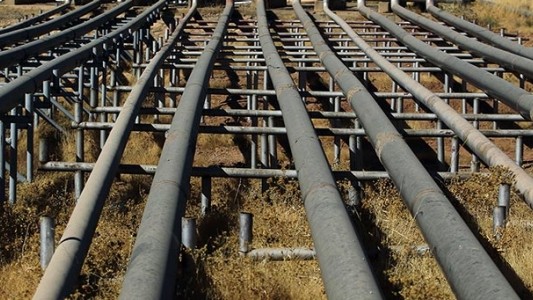
The ongoing conflict between Iran, the U.S., and Israel has caused a significant surge in global oil and gas prices, leading to a scramble for alternative transportation routes. Between March and August, the total energy import bill skyrocketed by $330 billion, a figure that would have been dramatically lower had the Strait of Hormuz remained open.
This strait, a critical energy export corridor, has become increasingly vulnerable to geopolitical tensions. In response, Persian Gulf oil producers have begun idle wells and finding ways to export their stored oil via tankers with their transponders switched off. However, Saudi Arabia, the UAE, and other Gulf states are actively working on alternative routes to bypass the Hormuz Strait altogether.
Saudi Arabia has already constructed the East-West pipeline to reroute exports through the Red Sea, while the UAE plans to double the capacity of its pipeline to Fujairah, a port city situated just outside the Strait of Hormuz. Meanwhile, Iraq is exploring the possibility of repairing an old pipeline to Syria, while Kuwait is seeking to expand its regional pipeline network to include Saudi Arabia's Red Sea ports and the UAE's Fujairah.
Additionally, there are discussions of potential investments in port infrastructure across the Gulf states as they seek to mitigate the economic fallout caused by the war.
Written by urgent.news from Yahoo Finance's reporting — not their text. Machine-written — may contain errors; check the original before relying on it.
This story
This is one outlet's version. Read the fullest account.