Iran War Triggers Billions in New Oil Pipeline and Port Investment
The severe disruption of oil and gas flows out of the Persian Gulf resulting from the war between the U.S. and Israel and Iran, has saddled energy-importing nations with soaring bills, supply uncertainty, and a murky outlook. However, there has been a silver lining: a rush to build alternative conduits for bringing oil and gas out of the Middle East. The global total energy import bill swelled by…
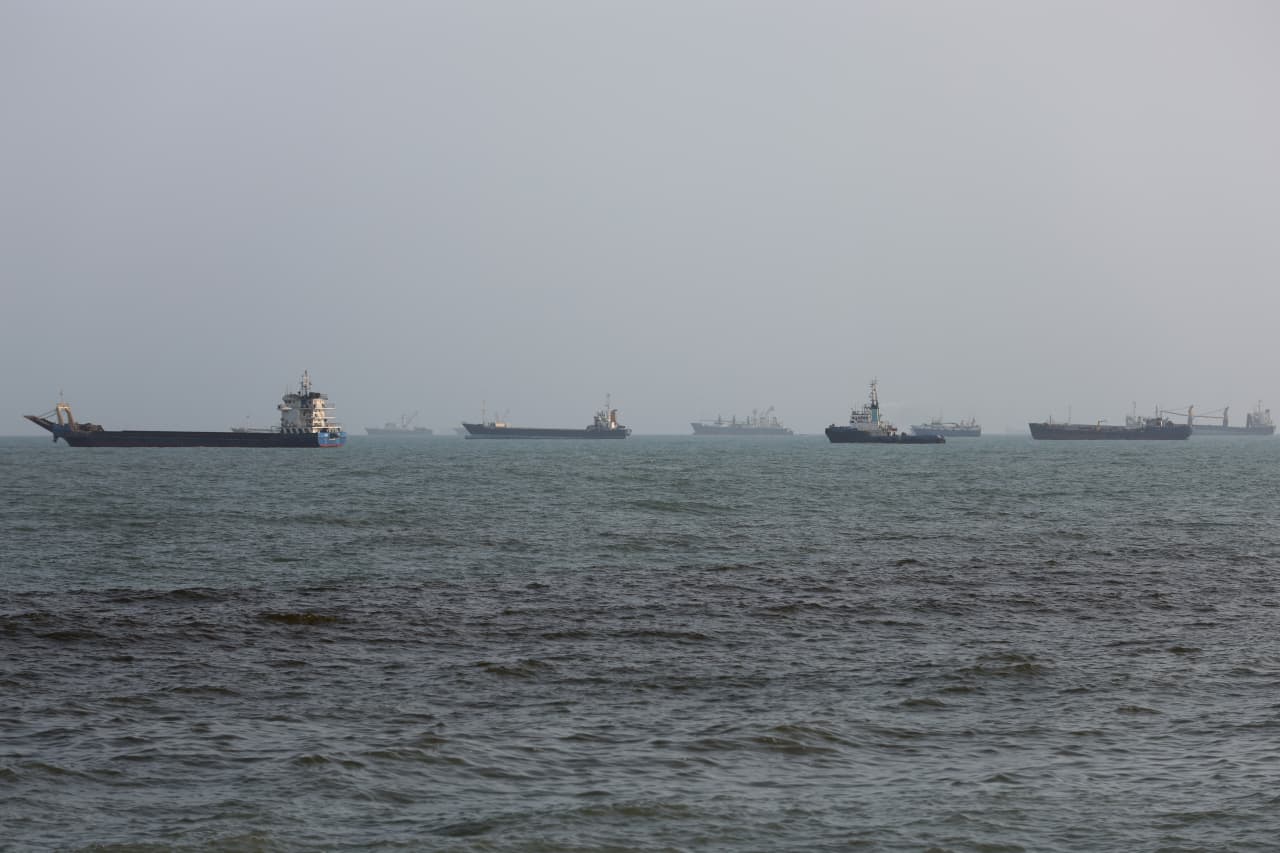
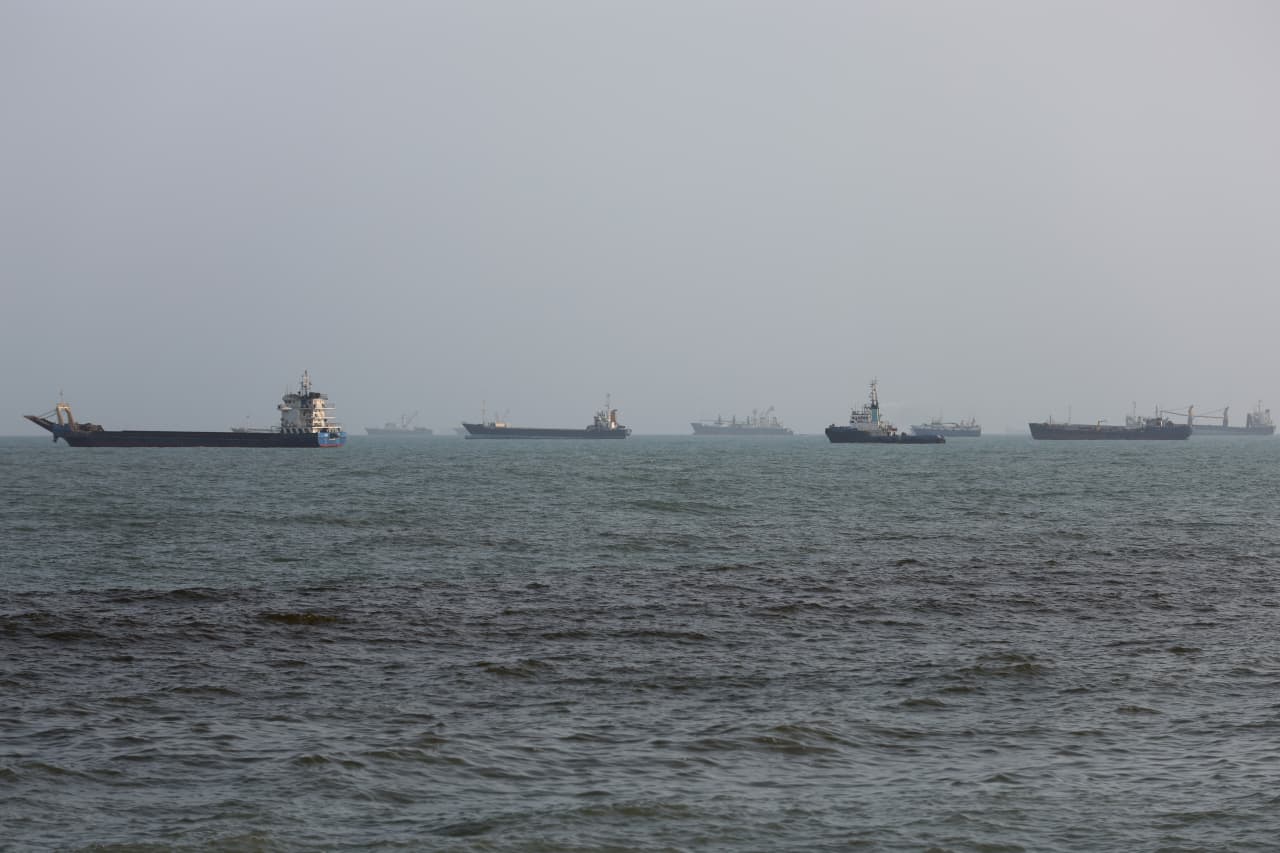
The war between the U.S. and Israel, along with Iran, has caused a surge in oil and gas prices and created uncertainty in the supply for energy-importing nations. The Centre for Energy Research and Clean Air has reported that the global total energy import bill increased by $330 billion between March and August due to the closure of the Strait of Hormuz.
This situation has led to a rush to build alternative conduits for bringing oil and gas out of the Middle East. Saudi Arabia has already demonstrated foresight by using its East-West pipeline to reroute its export flows from the Persian Gulf to the Red Sea. However, the Red Sea is not a perfect alternative due to the presence of the Yemeni Houthis in the Bab el-Mandeb strait.
The UAE is planning to double the capacity of the pipeline to its Fujairah port city to increase its export capacity to 3.6 million barrels daily. Big Oil companies like TotalEnergies and another Iraqi pipeline project are also involved in this expansion. Iraq is considering repairing an old pipeline to Syria or expanding the Kirkuk-Ceyhan pipeline via Turkey.
Kuwait is exploring options to expand its regional pipeline network, while Qatar faces a potential economic shrinkage due to its dependence on the Strait of Hormuz for its LNG exports. Saudi Arabia and the UAE have approached Japan for financial support, and Japan has agreed to participate. Port investments are also gaining attention as a mission-critical priority for the Gulf states to tackle the economic consequences of the war.
The crisis in the Middle East is expected to reshape the risk profile of the region, with alternative routes taking time to establish but ultimately providing a new risk profile for the area.
Written by urgent.news from OilPrice's reporting — not their text. Machine-written — may contain errors; check the original before relying on it.
Also reported by 1 other outlet
- Iran War Triggers Billions in New Oil Pipeline and Port Investment finance.yahoo.com