How your brain and body work together to shape experience
A new paper gets to the heart of an enduring question: are you your brain or your body?
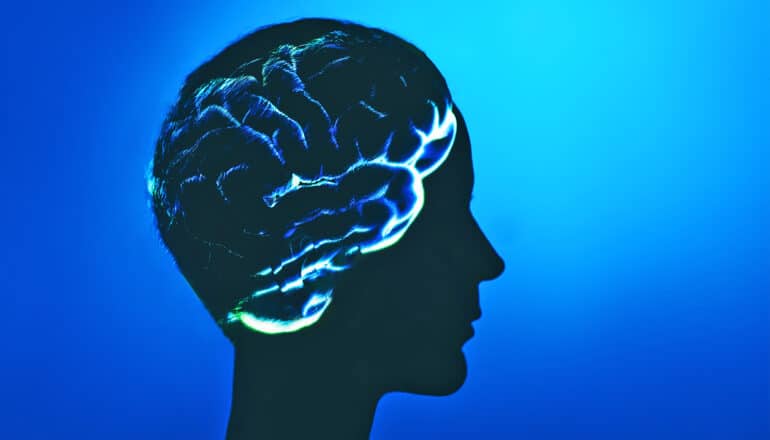
Recent research uncovers the intricate relationship between the brain and body in shaping human experience. Expressions such as "butterflies in the stomach," "racing heart," or feeling "choked up" demonstrate the common association of emotions with bodily sensations. However, the exact reason behind this connection remains a perplexing question.
A team led by the University of California, Santa Barbara has investigated this query and found that the brain and body engage in a continuous, rhythmic dialogue that molds conscious experience. According to Asa Young, the study's lead author and a doctoral student, the heartbeat, breath, and gastric rhythm are regular, predictable signals that enable groups of neurons to organize and determine when they become more or less receptive to information.
These rhythmic signals, akin to a drumbeat, maintain the orchestra of neural activity within the brain. Previous neuroscience research has often considered consciousness as a product solely of the brain. However, the emerging body of work suggests that conscious experience is influenced by a continuous, rhythmic exchange between the brain and body.
The heart beats, the lungs breathe, and the brain produces waves, all contributing to the rhythmic patterns that shape our perception, emotions, and sense of self. For instance, people often take a breath just before starting a cognitive task and exhale as they prepare to respond. Memory performance also fluctuates with the breath, with individuals recalling previously seen pictures more effectively when they reappear during an inhale.
Fearful images gain quicker access to consciousness during the contraction of the heart, while neutral stimuli like sights, sounds, touch, and pain may be processed less strongly during this phase. The researchers emphasize that the significance of this relationship is not solely determined by the strength of the bodily signals but rather by the balance between the brain and body.
Both excessively weak and excessively strong influences of bodily signals on the brain have been linked to various adverse conditions. Anxiety-related disorders may involve overly salient bodily signals, while depression may show reduced sensitivity to some bodily signals and a diminished sense of bodily connection. Other disorders could involve atypical timing, strength, or flexibility in the exchange between brain and body.
This new perspective on consciousness challenges the common notion of a brain in a vat, arguing that such a brain, isolated from the body, may still generate neural activity but lack the visceral character that anchors experience to a living self. The findings suggest that consciousness arises from the ongoing interaction between the brain and body rather than being solely determined by either.
Written by urgent.news from Futurity's reporting — not their text. Machine-written — may contain errors; check the original before relying on it.