How the US and Middle East allies flipped the oil script on Iran
On the afternoon of July 25, the Greek-owned supertanker Kiku docked at Qatar’s Mesaieed oil export terminal, a massive, 30-berth port on the country’s west coast, 25 miles south of Doha. Four days later, loaded with crude oil, the Kiku passed through the Strait of Hormuz. The Very Large Crude Carrier – one of the … The post How the US and Middle East allies flipped the oil script on Iran…
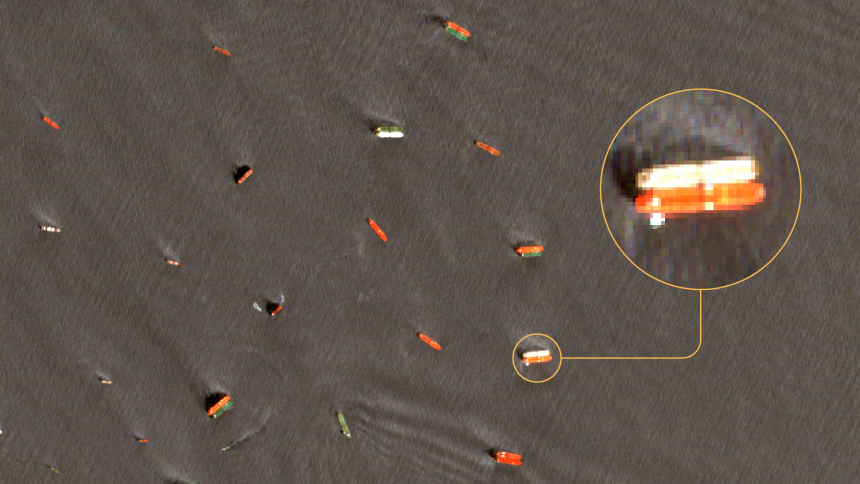
On July 25, the Greek-owned supertanker Kiku arrived at Qatar's Mesaieed oil export terminal, located 25 miles south of Doha. Four days later, as it exited the terminal laden with crude oil, it passed through the Strait of Hormuz. The Very Large Crude Carrier, one of the largest oil tanker classes, maintained a speed of 13 knots across the Persian Gulf.
On July 31, the Kiku disappeared, turning off its AIS transponder, a device that broadcasts a ship's identity, speed, course, and position. Tracking services lost sight of the vessel, as if it had vanished. However, at 10 am on August 1, the Kiku's signal reappeared on the other side of the Strait of Hormuz, marking the beginning of a new oil industry tactic – "dark," US-military-escorted nighttime transits across the strait.
The goal was to avoid Iranian drone attacks, as the Kiku had experienced one just a month prior, though it did not explode. With the US Navy's assistance, Saudi, Kuwaiti, Qatari, and Emirati oil companies chartered oil tankers to turn off their transponders and transport oil through the Strait of Hormuz to the Gulf of Oman, offloading the crude at waiting tankers owned by their customers, and then heading back through the strait.
This strategy effectively shifted the costly burden of insurance risk and physical danger from commercial shippers to the US government and oil producers. According to the US Department of Energy, oil traffic through the Strait of Hormuz averaged between 8 million and 9 million barrels per day, significantly impacting the global oil market.
Written by urgent.news from Egypt Independent's reporting — not their text. Machine-written — may contain errors; check the original before relying on it.
This story
This is one outlet's version. Read the fullest account.
- Middle East war a boon for UAE defence giant with global ambitions al-monitor.com
- Hidden gene in Middle East populations can signal Parkinson's disease thenationalnews.com
- Asia's refined fuel imports hit post-war low, can the Middle East help? nst.com.my
- Middle East war a boon for UAE defence giant with global ambitions freemalaysiatoday.com