Honouring the richness of the Hausa language on World Hausa Day
Discover the profound significance of World Hausa Day as we honour the language and culture of the Hausa people, exploring its role in Africa's linguistic sovereignty and the fight for cultural preservation amidst a globalised backdrop.
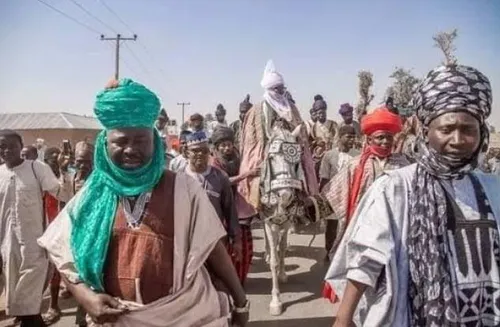
August 26 annually marks the World Hausa Day, a global event dedicated to honoring the language, culture, and traditions of the Hausa people. The Hausa, one of West Africa's largest ethnic groups, reside predominantly in Nigeria and Niger, with a population estimated between 50 and 80 million. Founded in 2015 by Nigerian journalist Abdulbaqi Aliyu Jari, this observance aims to promote the use of Hausa online through a digital campaign.
Known as Ranar Hausa, the celebrations have gained international traction, now occurring in over 30 countries. The theme for this year's event was "Our Culture, Our Future," focusing on the preservation of traditions and language for younger generations.
Language embodies a people's unique identity, encompassing their culture, traditions, and customs. It is a reflection of their behavior, encompassing figures of speech, idioms, expressions, and literature. This year's celebration of World Hausa Day inspired various reflections, highlighting the resilience and strength of the Hausa people.
Jari's determination to fight against the adverse effects of globalization serves as an example for other African communities. The success of the Hausa language's international recognition serves as a reminder of the importance of preserving African languages, which have suffered under colonialism and the imposition of foreign languages.
Written by urgent.news from IOL's reporting — not their text. Machine-written — may contain errors; check the original before relying on it.