From roots to returns: Why Indian real estate is drawing NRI interest
As India's real estate market expands, overseas Indians are looking beyond the traditional idea of owning a home back home. Infrastructure-led growth, organized retail, and new mixed-use destinations are opening up a wider investment opportunity.
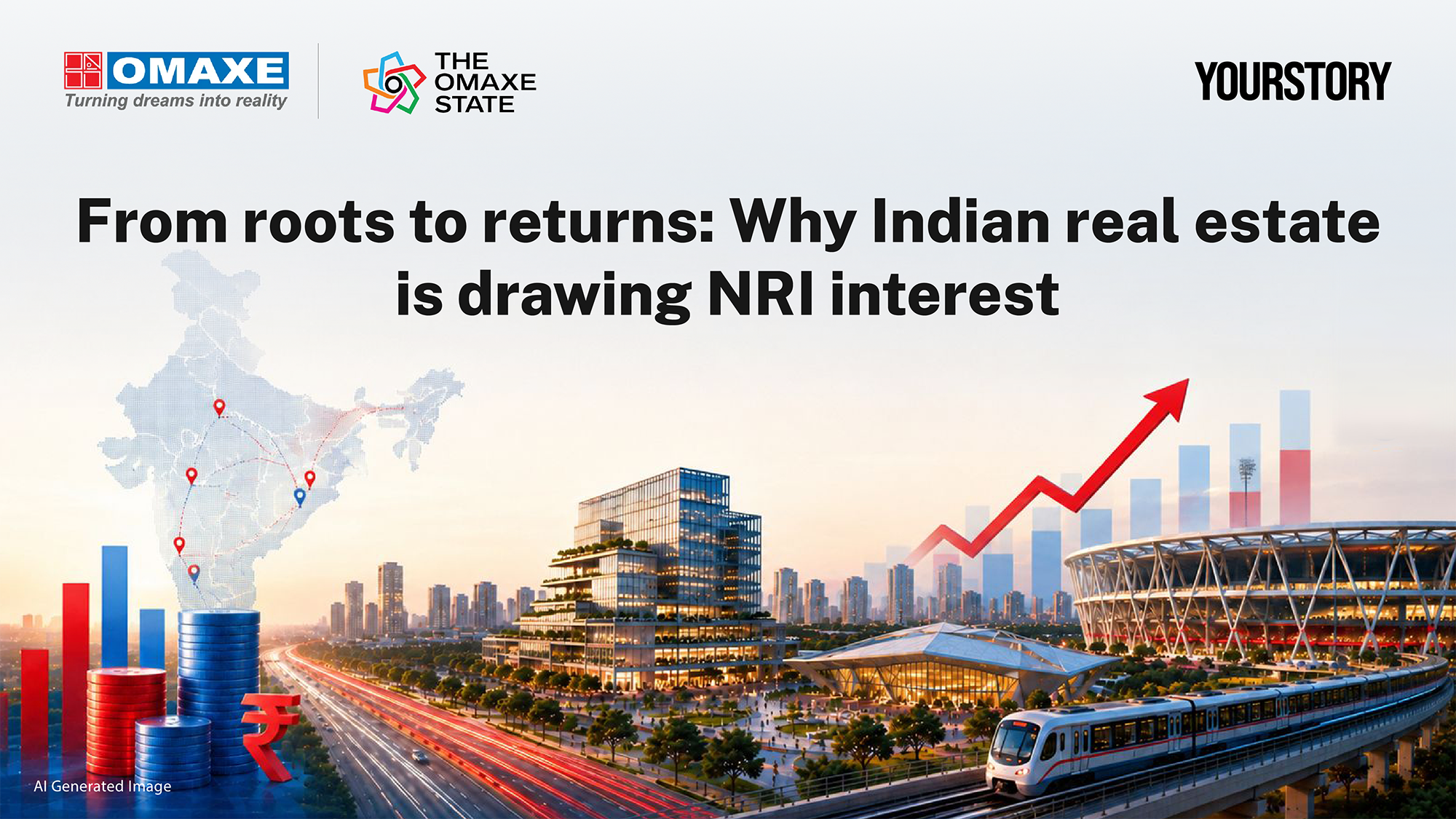
For many Indians living abroad, owning property in India is a deeply personal choice, often driven by emotional ties to family and a desire to pass on a home to future generations. However, the economic landscape of Indian real estate is evolving, presenting new opportunities for non-resident Indians (NRIs). According to a joint KPMG-NAREDCO study, the Indian real estate market could expand from $290 billion in 2025 to $970 billion by 2030, fueled by urbanization, infrastructure development, rising incomes, and greater institutional involvement.
Investing in Indian real estate is no longer solely about purchasing residential properties. NRIs are beginning to view it as an avenue to participate in the growth of commercial districts, organized retail, and emerging urban destinations. This shift is evident in the financial ties between the Indian diaspora and the domestic economy.
Remittances, which reached $144.79 billion in FY26, underscore the depth of these connections. A July 2026 Equirus Wealth report highlighted sustained NRI investment as a key driver supporting demand in Delhi-NCR's luxury housing market. Factors such as a weaker rupee and portfolio diversification have also contributed to increased NRI participation.
When evaluating investment opportunities, NRIs must consider more than just the asset itself. The growth of infrastructure around a property is increasingly important. For instance, Delhi-NCR, a region witnessing significant commercial activity, offers a prime example. Office leasing reached 4.1 million sq ft in the second quarter of 2026, while retail leasing saw a 13% increase quarter-over-quarter and a 1.2X increase year-over-year.
Mall vacancy declined to 7.2%, with fashion and food and beverage leading demand categories. The emergence of infrastructure-led districts like Dwarka, driven by projects such as the India International Convention and Expo Centre, further illustrates the importance of infrastructure in creating economically vibrant urban centers.
As cities continue to grow, the infrastructure around real estate developments will play a crucial role in shaping their long-term value and demand.
Written by urgent.news from YourStory's reporting — not their text. Machine-written — may contain errors; check the original before relying on it.