Fog of flood: Nepal’s disaster raises a Himalayan question for China
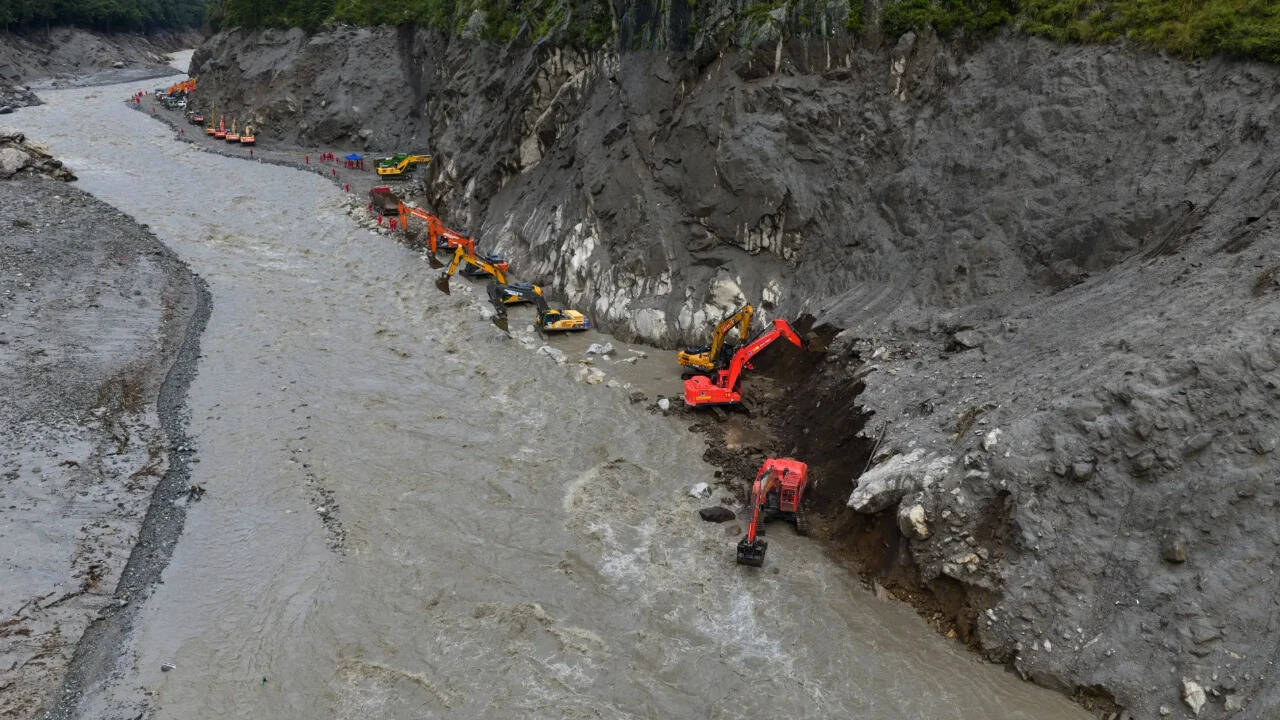
On August 26, a glacier collapse triggered devastating floods in Nepal that have claimed hundreds of lives and left thousands missing, including a large number of Indians, on the Nepal-China border. Nepali authorities reported 903 deaths and 4,247 people still unaccounted for, including 933 workers trapped in hydropower project tunnels.
Meanwhile, Chinese authorities in Gyirong County confirmed 16 fatalities and 546 missing persons as of Monday. However, the Indian Ministry of External Affairs reported that 158 of their citizens have been rescued so far.
The disaster has highlighted a significant disparity in disaster cooperation between Nepal and China. China, with its superior resources to monitor the Tibetan Plateau, has provided limited real-time cross-border data, while Nepal's death toll and damage estimates have grown rapidly with updates from government, journalists, and public videos. This gap in information sharing hampers Nepal's disaster preparedness and raises questions about its reliance on data controlled by a larger neighbor.
China disputes suggestions that it has failed to cooperate, stating that they maintain "sound cooperation" in meteorology, water resources, and disaster prevention and mitigation. They promise to continue supporting Nepal's disaster relief efforts and strengthen collaboration in prevention and mitigation. However, the type of information shared is crucial.
Tibet's political isolation and strict control make assessing risks, casualties, and authorities' performance challenging. Limited information from Chinese sources and strict restrictions on international journalists hinder a comprehensive understanding of the devastation.
The disaster underscores the need for improved information exchange between Nepal and China, similar to their existing data-sharing arrangement with India. Kathmandu seeks a formal data-sharing agreement with Beijing, including more frequent updates on precipitation and river levels. While China has acknowledged providing monitoring efforts and sharing information in a timely manner, Chinese state media attributes the disaster to glacier instability due to global warming.
However, scientists caution against attributing individual events to climate change without thorough analysis.
The situation highlights the need for China to share more information before potential disasters, as both Nepal and downstream states like India face mounting risks from climate change.
Written by urgent.news from Times of India's reporting — not their text. Machine-written — may contain errors; check the original before relying on it.
This story
This is one outlet's version. Read the fullest account.
- Rescuers race to find trapped workers in hydropower plant tunnels after Nepal flooding cbc.ca
- Nepal toll surges as rescuers struggle through 'unimaginable' disaster nst.com.my
- Nepal toll surges as rescuers struggle through 'unimaginable' disaster thejakartapost.com
- How China buried Tibet flood images after Nepal disaster dw.com
- Nepal toll surges as rescuers struggle through 'unimaginable' disaster lemonde.fr
- Nepal toll surges as rescuers struggle through ‘unimaginable’ disaster citizen.co.za
- Nepal toll surges as rescuers struggle through ‘unimaginable’ disaster freemalaysiatoday.com
- After the flash flood disaster, here is what Nepal really needs aljazeera.com