How China buried Tibet flood images after Nepal disaster
A flood has devastated communities along the China-Nepal border, but in Tibet the disaster was followed by a digital crackdown. Censors erased viral footage while state media flooded platforms with official content.
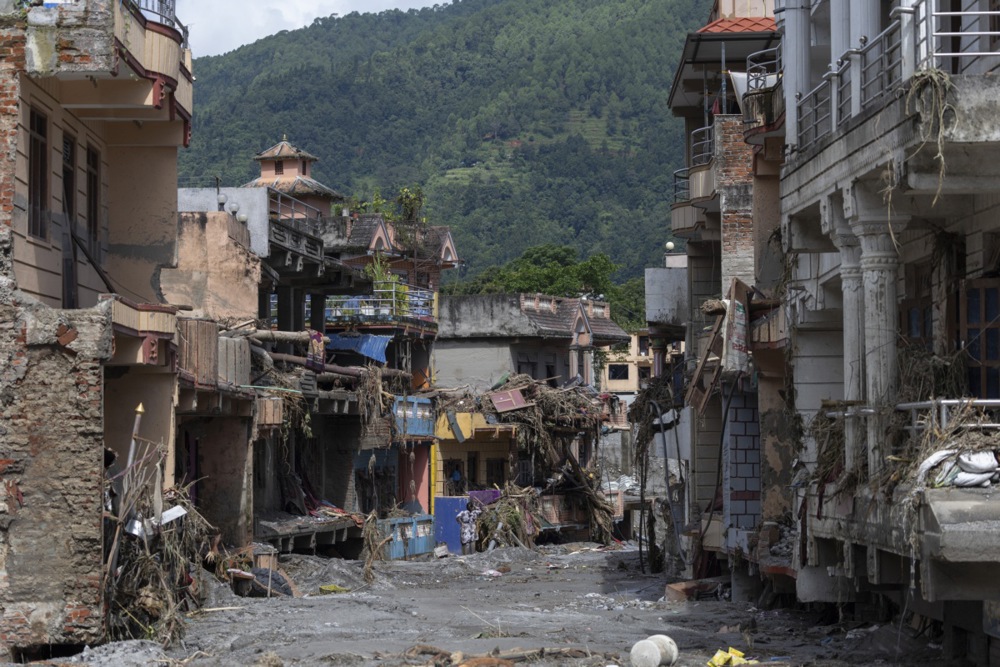
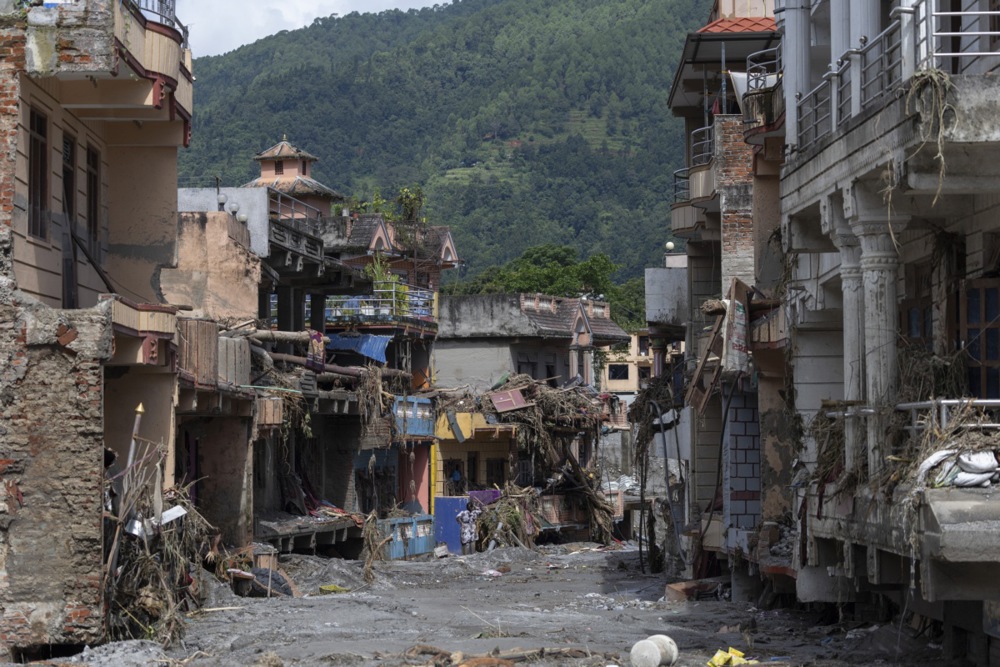
On August 26, a devastating flash flood struck the China-Nepal border, causing widespread destruction in Nepal. Meanwhile, in Tibet, an autonomous region of China, the disaster's visual evidence was erased almost immediately. As survivors attempted to share footage of the deluge, China's state-controlled information censorship machinery took swift and precise action to control the narrative and suppress inconvenient truths.
This contrast between a tragic human crisis in Nepal and a sanitized, triumphant rescue narrative in China reveals Beijing's modern censorship tactics. Rather than implementing a blunt blackout, authorities employed sophisticated image-recognition technology and over-saturation techniques to drown out domestic criticism and deflect diplomatic tensions abroad.
Shortly after the flood hit, local Chinese residents captured dramatic footage of the torrent overwhelming Gyirong Port, a vital overland trade link between China and Nepal. The video showed a black wall of water crashing into the national border gate, swallowing crowds and destroying the scene. However, within hours, the video and the article describing the event were removed from Chinese social media.
The censorship, according to China Digital Times, targeted the National Gate itself, not violent protests or political slogans. Digital analysts noted that this censorship demonstrated a significant advancement in China's internet policing tools. Platforms now use video fingerprinting, image hashing, and machine learning models to identify specific visual scenes.
Once a visual sequence is blacklisted, it is intercepted before posting. This suppression of the Gyirong Port disaster is part of a broader shift in Beijing's strategy, moving from mass deletion to more precise censorship and information flooding. A search on Xiaohongshu, China's popular lifestyle and search platform, shows the mechanics of this "saturated information environment."
Instead of displaying an empty search page, the algorithm feeds users carefully selected state-media reports from China's state broadcaster CCTV and news agency Xinhua. High-resolution, sterile graphics, before-and-after comparisons, maps of glacial collapses, and state-approved aerial drone footage dominate the visual landscape.
Raw, chaotic cellphone videos from eyewitnesses at the border are completely absent. By flooding the digital space with safe, visually appealing official content, the state satisfies public curiosity while preemptively stifling independent reporting and organic discussions. On Weibo, China's microblogging platform, the initial trend of "Tibet mudslide" was quickly frozen the following day, with domestic casualty figures frozen at three dead and 558 missing.
Instead, the platform redirected users to government-approved headlines, including President Xi Jinping's Central Politburo meeting and Premier Li Qiang's visit to Gyirong. These headlines transformed a major human tragedy into a display of state competence. However, beneath the surface of efficient state rescue efforts lies a deeper vulnerability that Beijing was eager to conceal: a history of structural negligence.
On August 27, a hashtag briefly appeared on Weibo, questioning why Gyirong Port had reopened just half a year after a previous devastating flood. The hashtag garnered over 347,000 views in less than an hour before being abruptly deleted. The deleted article highlighted a series of infrastructure failures. In July 2025, Gyirong Port was shut down again after another severe flash flood, with eight months passing before it was reopened on January 1.
The port had previously been destroyed during the flood seasons of 2024 and 2025, resulting in personnel fatalities. By erasing this trend, censors blocked an inevitable chain of public inquiry. If the state-of-the-art border facility was destroyed twice in 14 months, it raises critical questions about site selection, shoddy construction, and the complete failure of glacial lake monitoring and early-warning systems in Tibet.
Written by urgent.news from DW English (Top Stories)'s reporting — not their text. Machine-written — may contain errors; check the original before relying on it.
This story
This is one outlet's version. Read the fullest account.
- Rescuers race to find trapped workers in hydropower plant tunnels after Nepal flooding cbc.ca
- Nepal toll surges as rescuers struggle through 'unimaginable' disaster nst.com.my
- Nepal toll surges as rescuers struggle through 'unimaginable' disaster thejakartapost.com
- How China buried Tibet flood images after Nepal disaster dw.com
- Nepal toll surges as rescuers struggle through 'unimaginable' disaster lemonde.fr
- Nepal toll surges as rescuers struggle through ‘unimaginable’ disaster citizen.co.za
- Nepal toll surges as rescuers struggle through ‘unimaginable’ disaster freemalaysiatoday.com
- After the flash flood disaster, here is what Nepal really needs aljazeera.com