Dubai’s diamond strategy: Why lab-grown stones need their own market
The global diamond industry is undergoing a structural evolution driven by technological disruption. Today, more lab-grown diamonds (LGDs) and recycled stones are available in the market than the total annual physical output produced by their natural counterparts. This reality requires a clear-eyed reassessment of how we trade, classify, and value precious materials, and is also a fundamental…
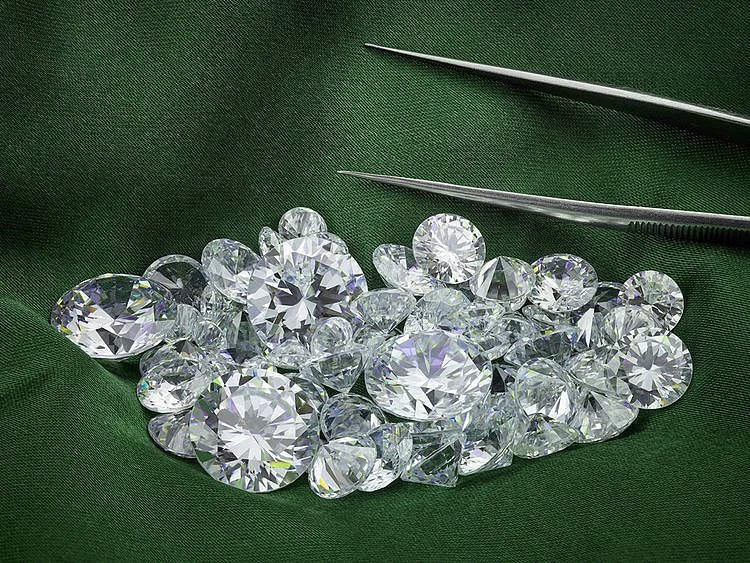
The global diamond industry is experiencing a significant transformation due to technological advancements. Laboratory-grown diamonds (LGDs) and recycled stones now outnumber the total annual production of natural diamonds. This has led to the establishment of a dedicated Lab-Grown Diamond vertical by Dubai Multi Commodities Centre (DMCC) to address the evolving market dynamics.
In 2025, the UAE recorded its highest-ever LGD trade volume of 76.9 million carats, an increase of 91.5% compared to the previous year. Natural diamonds continue to hold value due to their geological rarity, heritage, beauty, and durability, but lab-grown diamonds offer unique benefits in fields such as deep tech, defence, medicine, and high-performance computing.
The commercial success of LGDs is driven by American consumer demand, Indian cutting-and-polishing expertise, and Chinese industrial-scale synthesis. China is the leading producer of gem-quality rough, followed by India and the US, which dominate retail consumption. DMCC's new LGD vertical serves as a hub for global partners, fostering collaboration in advanced technologies and ensuring the coexistence of natural and lab-grown diamonds in their respective markets.
Written by urgent.news from Gulf News's reporting — not their text. Machine-written — may contain errors; check the original before relying on it.