Don't let Iran-backed militias to set the clock on America's exit from Iraq
On September 30, the last American and coalition troops are scheduled to leave Iraq, ending a military presence that began in 2003. Prime Minister Ali Al Zaidi calls the date “fixed and final” . October 1, he says, will open a new chapter in which Iraq exercises full sovereignty over its own soil. It is a stirring line. It also collides with the facts on the ground. Mr Al Zaidi has tied two…
On September 30, American and coalition troops are scheduled to leave Iraq, marking the end of their military presence since 2003. Prime Minister Ali Al Zaidi declares this date as "fixed and final," signifying a new era where Iraq will exercise full sovereignty over its own territory. However, this claim contradicts the reality on the ground, as Al Zaidi has linked two promises to the same date.
Firstly, the coalition must depart by September 30, and secondly, every armed group must surrender its weapons to the state by the same day. One of these deadlines is genuine, while the other serves as a mere spectacle.
A recent example illustrates this disparity. On August 17, the Iraqi Counter-Terrorism Service, a capable unit heavily mentored by the United States, arrested Abbas Al Yaqoubi, the reconnaissance chief of Harakat Hezbollah Al Nujaba and an intelligence official in the Popular Mobilisation Forces. The arrest was made on suspicion of involvement in drone strikes against neighboring countries.
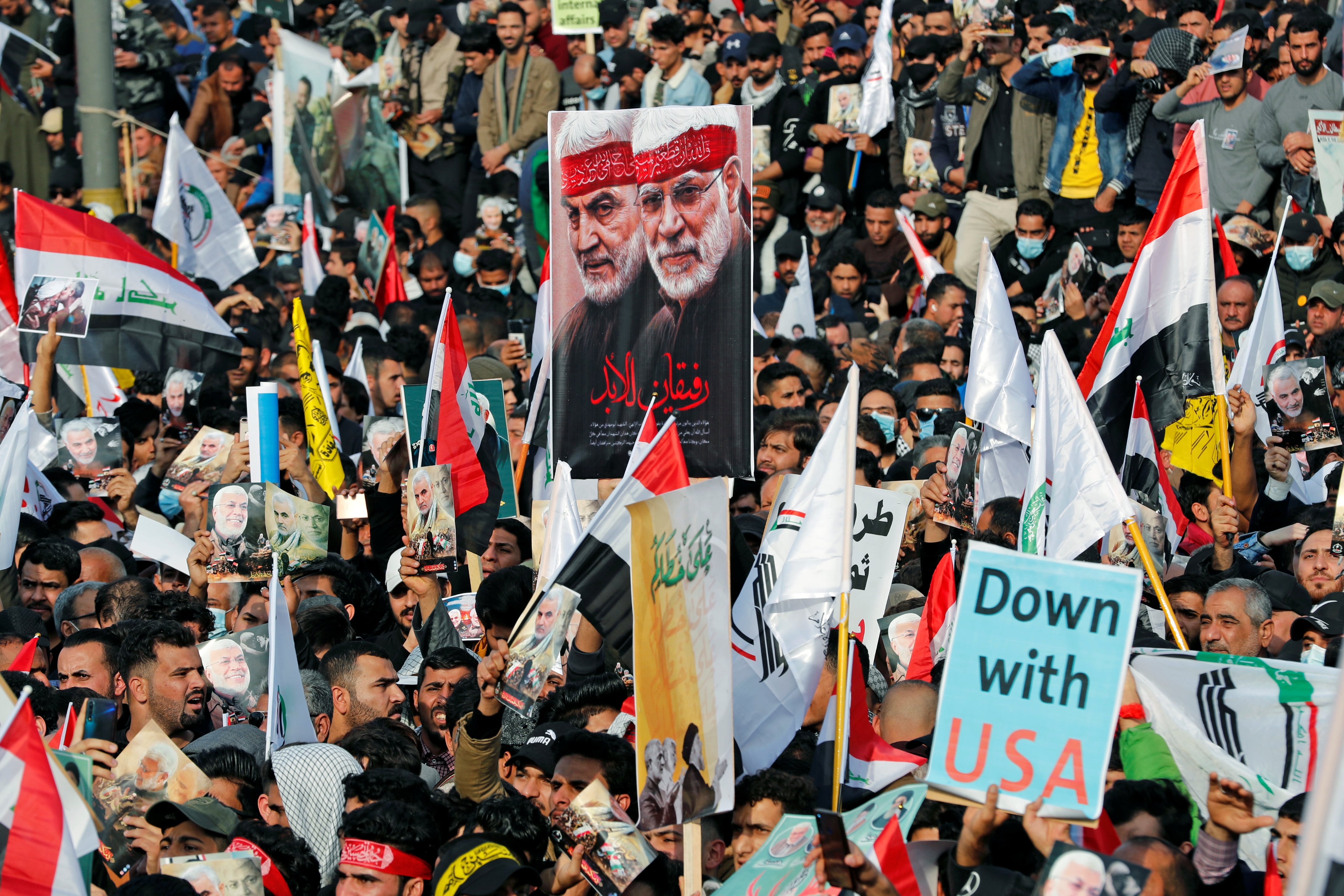
Al Nujaba, an Iran-aligned Iraqi armed group established in 2013, is designated as a terrorist organization by Washington six years later. Al Yaqoubi's detention lasted only 24 hours before being released due to lack of evidence. The governing Co-ordination Framework denounced the arrest as a "kidnapping" and demanded his immediate release to the PMF he serves. Subsequently, Al Yaqoubi was freed by a Baghdad court.
This sequence of events reveals the extent to which Iraq's law enforcement functions until it encounters those wielding weapons – and then it ceases. The arrest demonstrates the PMF's overwhelming political influence, rendering the state powerless to detain one of their intelligence officers for more than a day. This sovereignty, which is set to flourish on October 1, is precisely what the PMF commands.
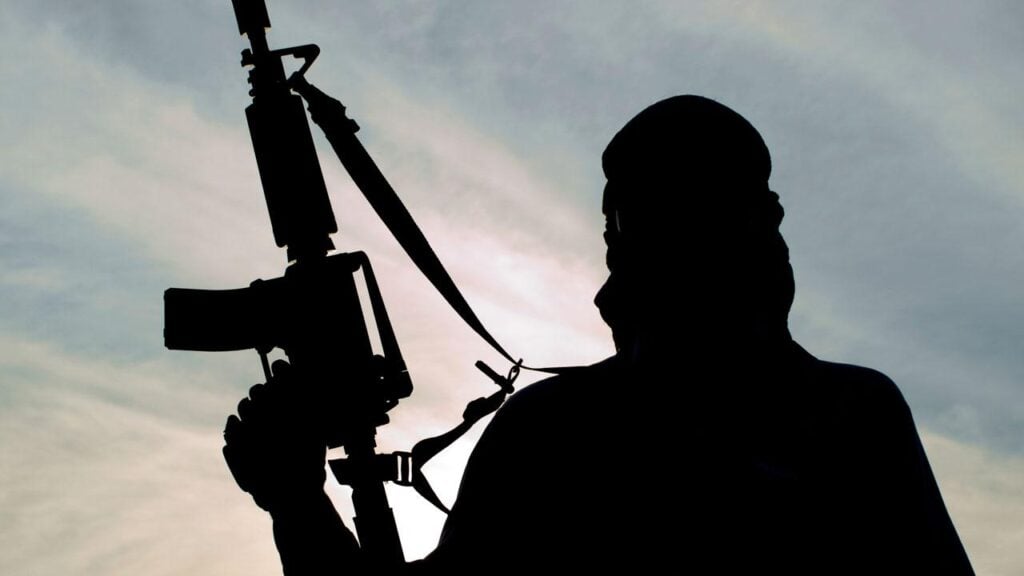
However, the harder-line groups refuse to relinquish their arms. Kataib Hezbollah, the country's most potent militia, vows to retain "even a single bullet" and potentially expand its arsenal. Kataib Sayyid Al Shuhada and Harakat Hezbollah Al Nujaba have adopted the same stance. They have also continued their attacks, including repeated drone strikes on the Khor Mor gas field operated by Dana Gas, causing significant disruptions to Kurdistan's electricity supply.
These attacks are not arbitrary acts of violence. Instead, they serve a strategic purpose. By targeting the grid and the Kurdish energy sector, the groups undermine Kurdish autonomy, damage the infrastructure required for American energy companies to invest in the region, and remind everyone of the true power dynamics at play. Moreover, these groups promise to disarm only after the Americans leave, but this is a trap disguised as a concession. Leaving first removes the incentive to disarm.
The swift departure on September 30 does more than just lower a flag. It serves as a critical link connecting intelligence, air support, and logistics that enable Peshmerga and Iraqi forces to hunt ISIS remnants. It also shields the coalition's interests in Erbil during a time when monitoring both ISIS and the militias is paramount.
Additionally, a clean American withdrawal, occurring shortly after a war with Iran, will be perceived across the region as Tehran's assertion of dominance. It will be read as capitulation, effectively handing Iran the prize it has pursued for a decade and creating an unobstructed corridor of armed clients from Iran to Iraq and the Mediterranean.
Furthermore, a clean departure signals to all proxies that employing violence will drive America out.
The case for leaving is not frivolous. Iraqis never signed up for an indefinite foreign presence; the troops provide a convenient excuse for militias to retain their arsenal; and genuine sovereignty entails Baghdad standing on its own two feet. These points are accurate. However, sovereignty is not a mere press release. A government incapable of detaining an officer for more than a day or ensuring the lights remain on in its northern region does not thrive when its most powerful ally departs.
It becomes more susceptible to coercion. Therefore, the solution is not to perpetually occupy Iraq nor to refuse to leave. Instead, the United States should condition its final withdrawal on the militias' actions.
Written by urgent.news from The National UAE's reporting — not their text. Machine-written — may contain errors; check the original before relying on it.
This story
This is one outlet's version. Read the fullest account.
- Don't let Iran-backed militias to set the clock on America's exit from Iraq thenationalnews.com