CSIR equips farmers with knowledge in Climate-Resilient practices
The training focused on modern farming techniques aimed at increasing productivity while minimizing the impact of drought, extreme temperatures, pests, and diseases.
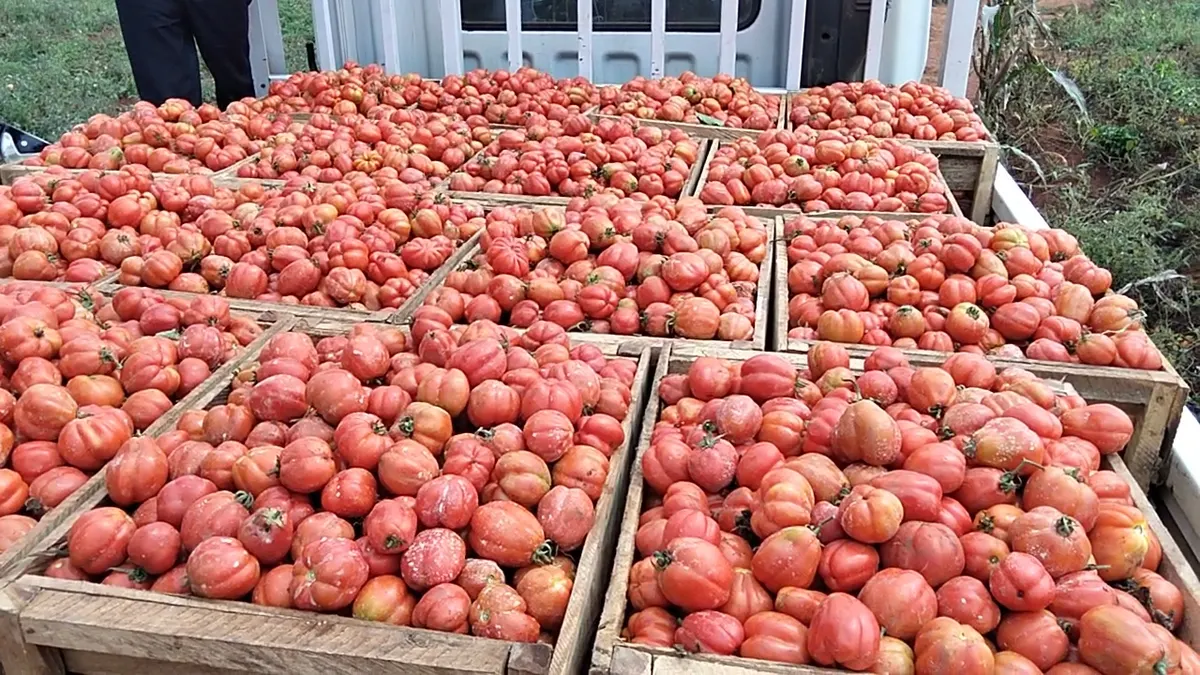
The Council for Scientific and Industrial Research (CSIR) has provided climate-resilient farming knowledge to over 200 tomato farmers in the Berekum East and West municipalities, as well as the Dormaa East District in Ghana's Bono Region. This training aimed to empower farmers to tackle the escalating impacts of climate change through modern agricultural techniques that boost productivity while reducing vulnerability to drought, extreme temperatures, pests, and diseases.
Farmers were introduced to two new tomato seeds, KOPIA and CRI Kwabena Kwabena, developed by the CSIR. These seeds, combined with climate-smart agricultural practices like efficient water management, soil conservation, the use of drought-tolerant tomato seed varieties, integrated pest management, and proper fertilizer application, were introduced to the farmers.
Dr. Michael Kwabena Osei, Principal Research Scientist at the Crop Research Institute, emphasized the critical role of providing farmers with improved seed varieties to boost tomato production. He highlighted the importance of training farmers in climate-resilient agricultural practices to safeguard food security and improve farmers' incomes as climate patterns become more unpredictable.
Mr. Kwasi Danso, the Berekum West District Director of Agriculture, underscored the necessity for continuous training for tomato farmers, stating it to be one of the most effective methods to increase yields and decrease Ghana's reliance on tomato imports from Burkina Faso. This training is part of ongoing initiatives to equip vegetable farmers with practical skills to adapt to climate change and foster a more sustainable and resilient tomato production sector.
Written by urgent.news from 3News's reporting — not their text. Machine-written — may contain errors; check the original before relying on it.