Cadbury-funded Seychelles island now hosts over 1 million breeding seabirds
Aride Island, once diminished by exploitation, has transformed into an essential haven for seabirds. Thanks to Christopher Cadbury's visionary investment in 1973, it was designated a nature reserve. Continuous efforts in ecological restoration have revitalized the habitat, leading to one million breeding seabirds from ten distinct species. This remarkable revival illustrates the profound…
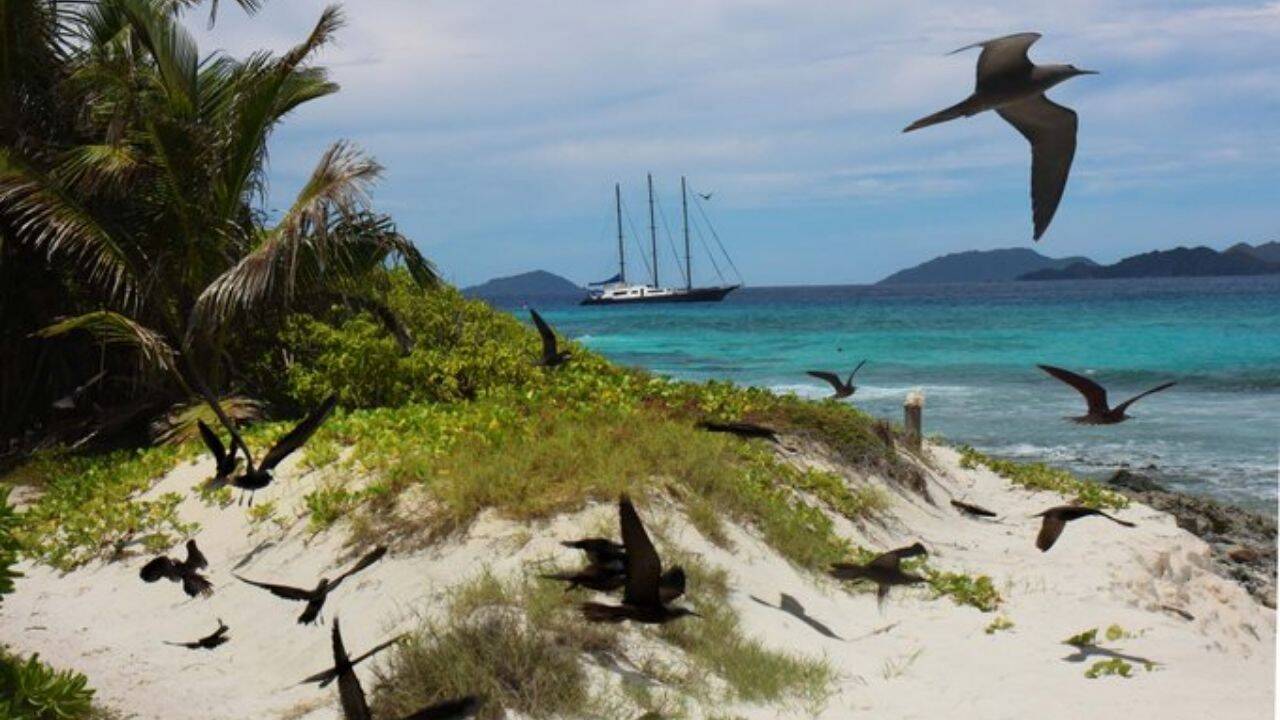
A small island in the Seychelles, Aride, has transformed from a commercially exploited land into a thriving seabird sanctuary, hosting over one million breeding birds of ten different species. The change came after British conservationist Christopher Cadbury, a member of the chocolate-making Cadbury family, donated £40,000 in 1973, equivalent to nearly £1 million today.
This investment enabled the Society for the Promotion of Nature Reserves, now the Royal Society of Wildlife Trusts, to purchase the island and protect it as a nature reserve. The former coconut plantation and its cleared forests were gradually restored, creating a suitable habitat for various species. Rats never reached the island, which allowed its ecosystem to recover.
Today, Aride is one of the most significant seabird colonies in the Indian Ocean and provides habitat for several Seychelles-endemic species, including the Seychelles magpie-robin, Seychelles fodies, Seychelles blue pigeons, and Seychelles sunbirds. The island's protected status as a Special Reserve and the ongoing conservation efforts have allowed wildlife to reclaim the island, demonstrating the impact of investing in ecological preservation over short-term commercial gains.
Written by urgent.news from Times of India's reporting — not their text. Machine-written — may contain errors; check the original before relying on it.