Bill Simmons gives in-depth recounting of proxy betting on FanDuel with help of daughter’s boyfriend
Bill Simmons finally said the quiet part out loud. Simmons, one of FanDuel’s biggest promoters as part of a long-running and seemingly lucrative partnership between the online sportsbook and The Ringer, has long built gambling into his content. But nearly a decade after the Supreme Court struck down a federal law prohibiting sports betting, California…
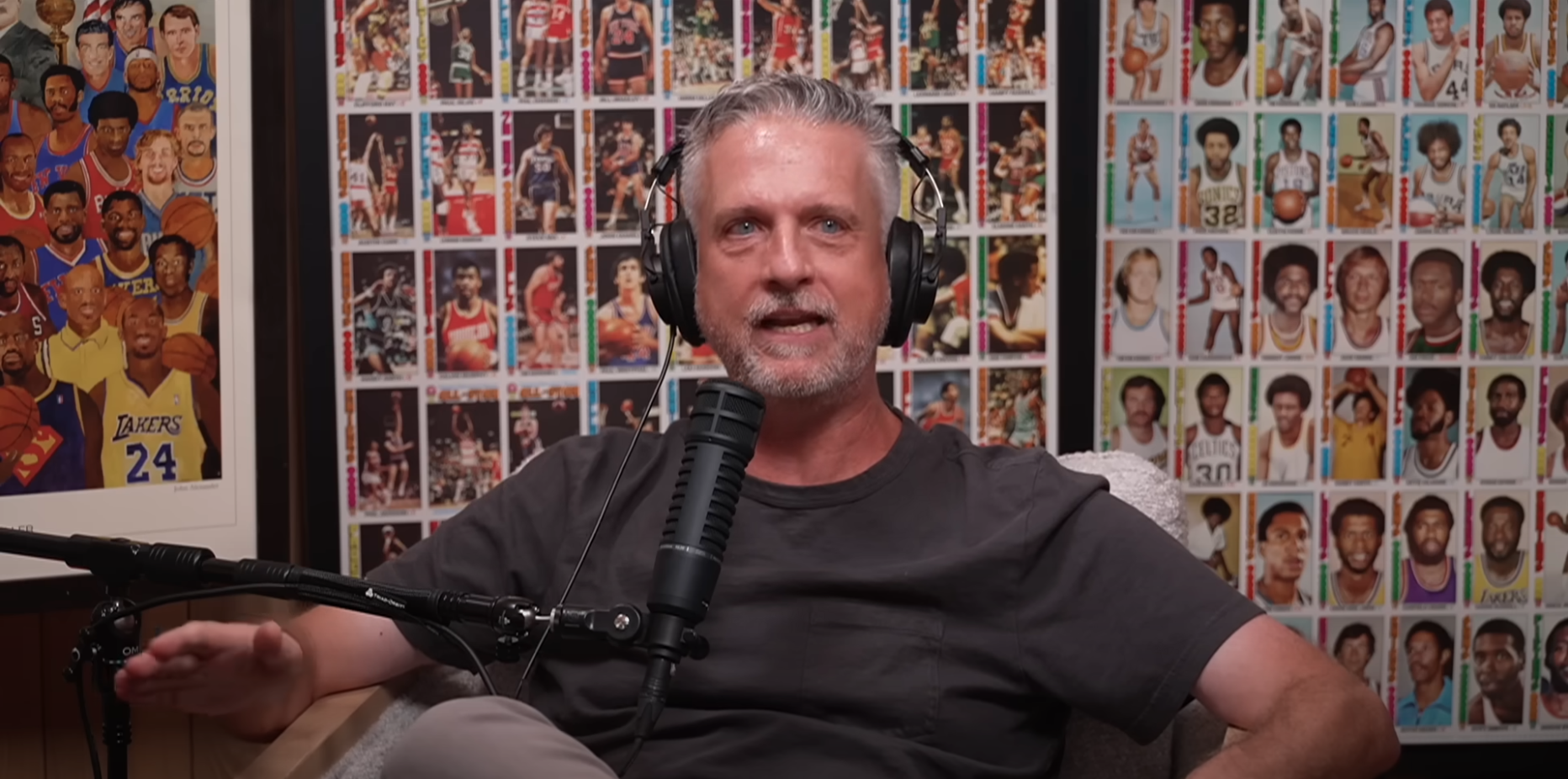
Bill Simmons, a prominent figure in the world of sports media and a significant promoter of FanDuel, revealed a practice known as "proxy betting" for the first time. FanDuel, a popular online sportsbook, has been a longstanding partner of The Ringer, Simmons' production company. However, nearly a decade after the Supreme Court decision to legalize sports betting nationwide, California remains without such legislation, preventing Simmons from using the FanDuel application.
Typically, Simmons would place bets while visiting family in Boston or traveling for business, making his audiences speculate about his betting habits on the New England Patriots futures or Steph Curry props from Los Angeles. On an NFL preview podcast episode, Simmons admitted to engaging in proxy betting, a practice that clearly breaches FanDuel's rules.
To execute this strategy, Simmons entrusted his daughter's Massachusetts-based boyfriend, Hank, to log into his FanDuel account using his credentials. This allowed Simmons to place over bets on UCLA overs, a strategy he couldn't execute himself due to the unshifted betting market in Houston. Simmons acknowledged this as a bonding moment with Hank, who turned 21 that summer.
However, FanDuel's terms and conditions state that users found guilty of proxy betting face permanent suspension and the revocation of their winnings. In this case, the individual assisting Simmons would be banned from using the platform. The story's legal implications highlight the risks associated with gambling, which Simmons has previously been criticized for not adequately addressing while promoting FanDuel.
While it's unlikely that FanDuel would ban Simmons due to the nature of this story, the exposure of these workarounds in states where sports betting is not yet legal likely posed a challenge for the operator. This revelation sheds light on the lengths some partners go to, despite the legal and ethical concerns.
Written by urgent.news from Yahoo Sports's reporting — not their text. Machine-written — may contain errors; check the original before relying on it.