Beyond Merdeka: Building strategic resilience in a volatile world
LETTER: Malaysia has achieved remarkable development and regional influence for the past six decades. For the generation that fought for independence, Merdeka meant freedom from colonial domination.
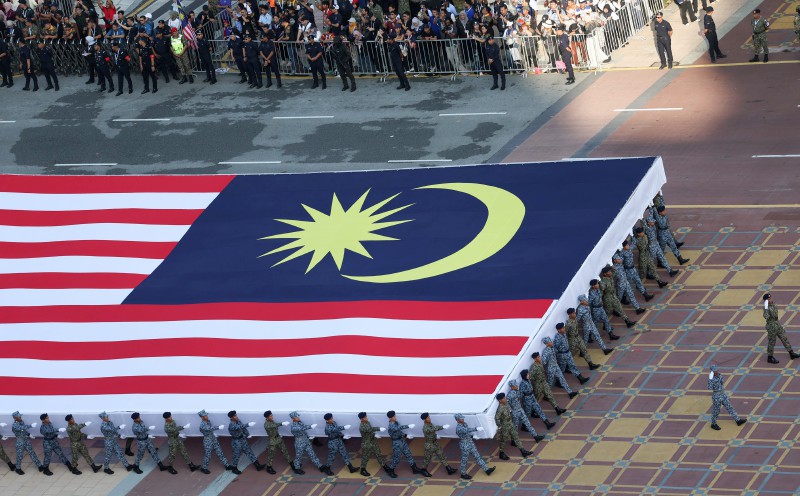
Malaysia has made significant strides in development and gained regional influence since gaining independence six decades ago. However, modern challenges now threaten the nation's independence. Economic dependency, energy insecurity, disrupted supply chains, technological reliance, and geopolitical conflicts can all weaken Malaysia, even if they occur thousands of miles away.
For instance, the Middle East conflict impacts global oil prices, disrupts shipping routes, and affects air travel and tourism. This interconnectivity means that distance no longer ensures protection against geopolitical consequences. Malaysia must therefore strive for both economic resilience and strategic independence in all aspects of governance.
Currently, the country possesses energy resources and a robust petroleum and gas sector. Yet, the Middle East conflict underscores that energy security alone is insufficient. The world still heavily depends on oil and gas until at least 2050, suggesting that Malaysia should explore further investments in this sector. Additionally, rising food prices result from disrupted imports of fertilizers from the Middle East and increasing fuel costs.
Food waste is another pressing issue, with an estimated 17,000 tonnes generated daily in Kuala Lumpur alone. Transforming this waste into valuable organic fertilizers could benefit over 8,000 hectares of agricultural land annually. Countries like South Korea and Germany have successfully implemented similar systems, producing organic fertilizers and renewable energy from food waste.
Furthermore, the Middle East conflict highlights the importance of tourism resilience. Wars and geopolitical crises can immediately affect the tourism industry through rising airfares, airspace closures, travel advisories, and declining international confidence. Malaysia's tourism strategy should thus remain diversified, focusing on the ASEAN, East Asia, South Asia, Central Asia, West Asia, and Europe regions.
Lastly, the source emphasizes the need for a foreign policy that remains independent while still supporting peace, international law, humanitarian principles, and dialogue. While Malaysia has consistently practiced this approach, it should avoid unnecessary involvement in conflicts that do not align with its national interests. This strategy will undoubtedly benefit Malaysians for generations to come.
Written by urgent.news from New Straits Times's reporting — not their text. Machine-written — may contain errors; check the original before relying on it.