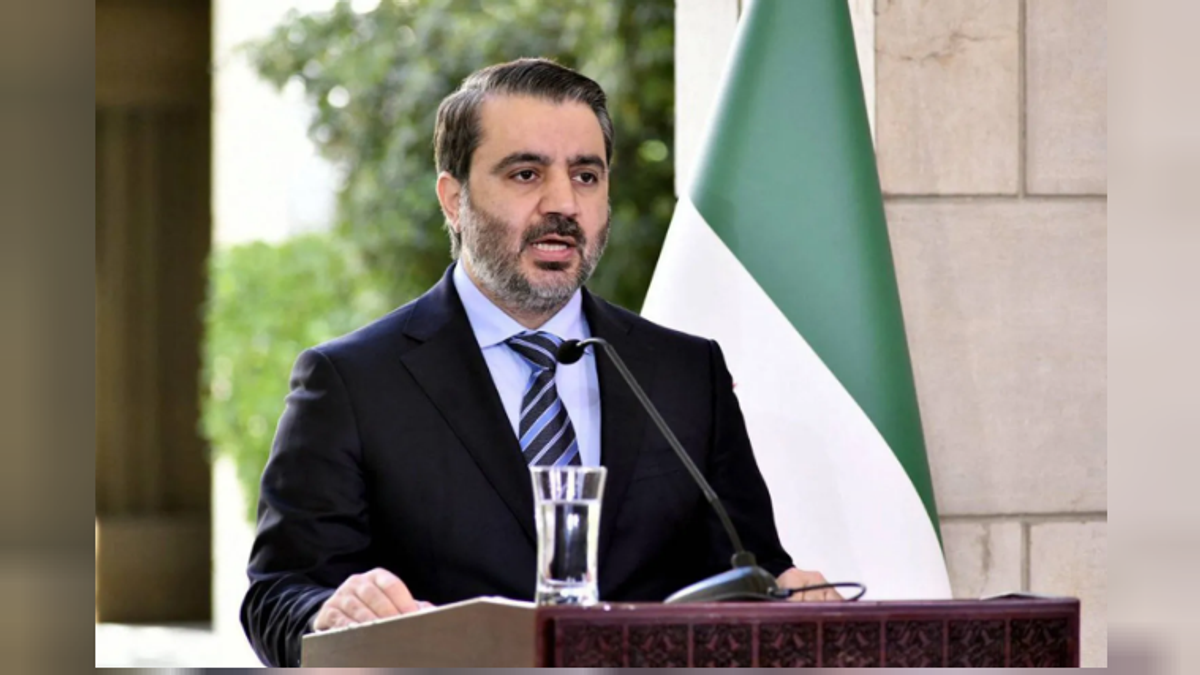
Yilwatda: Atiku’s Subsidy Promise Will Lead to Cancellation of Students’ Loan, Return of Fuel Queues
Adedayo Akinwale in Abuja The National Chairman of the All Progressives Congress (APC), Prof. Nentawe Yilwatda, has said that the call by former Vice President Atiku Abubakar to return the
All Progressives Congress (APC) leader Prof. Nentawe Yilwatda has criticized former Vice President Atiku Abubakar's proposal to reintroduce Nigeria's fuel subsidy. Yilwatda warned that such a move could lead to the cancellation of students' loan programs and the return of fuel queues. He emphasized that any revocation of the subsidy must undergo thorough economic assessment to prevent a reoccurrence of past fiscal pressures.
Yilwatda pointed out the fiscal burden that subsidy imposes on the government, affecting various sectors, including education and infrastructure. He argued that the removal of subsidy led to improved fiscal positions of state governments, enabling them to meet salary and pension obligations while also supporting development projects.
The APC chairman also cautioned about the impact on the education sector, recalling the disruption of academic activities under the previous administration. He emphasized that reintroducing the subsidy could adversely affect the capacity of governments to finance education and other essential public services.
Yilwatda also addressed the new minimum wage, stating that sustainability requires a corresponding improvement in the government's ability to meet recurrent obligations. He highlighted Nigeria's growing participation in the global digital economy due to advancements like bank card usage for international transactions and digital payment opportunities.
The APC leader also highlighted the Nigeria Education Loan Fund (NELFUND) as a crucial intervention that has expanded access to tertiary education. He stressed that sustainable financing for education is vital to prevent young Nigerians from abandoning their studies due to financial constraints. Yilwatda cautioned that policies should focus on building an economy capable of producing sustainable prosperity rather than relying on expensive government intervention.
Written by urgent.news from This Day's reporting — not their text. Machine-written — may contain errors; check the original before relying on it.
This story
This is one outlet's version. Read the fullest account.