Women’s professional soccer has a champagne problem: A packed calendar around the World Cup that will test the sustainability of its mega growth
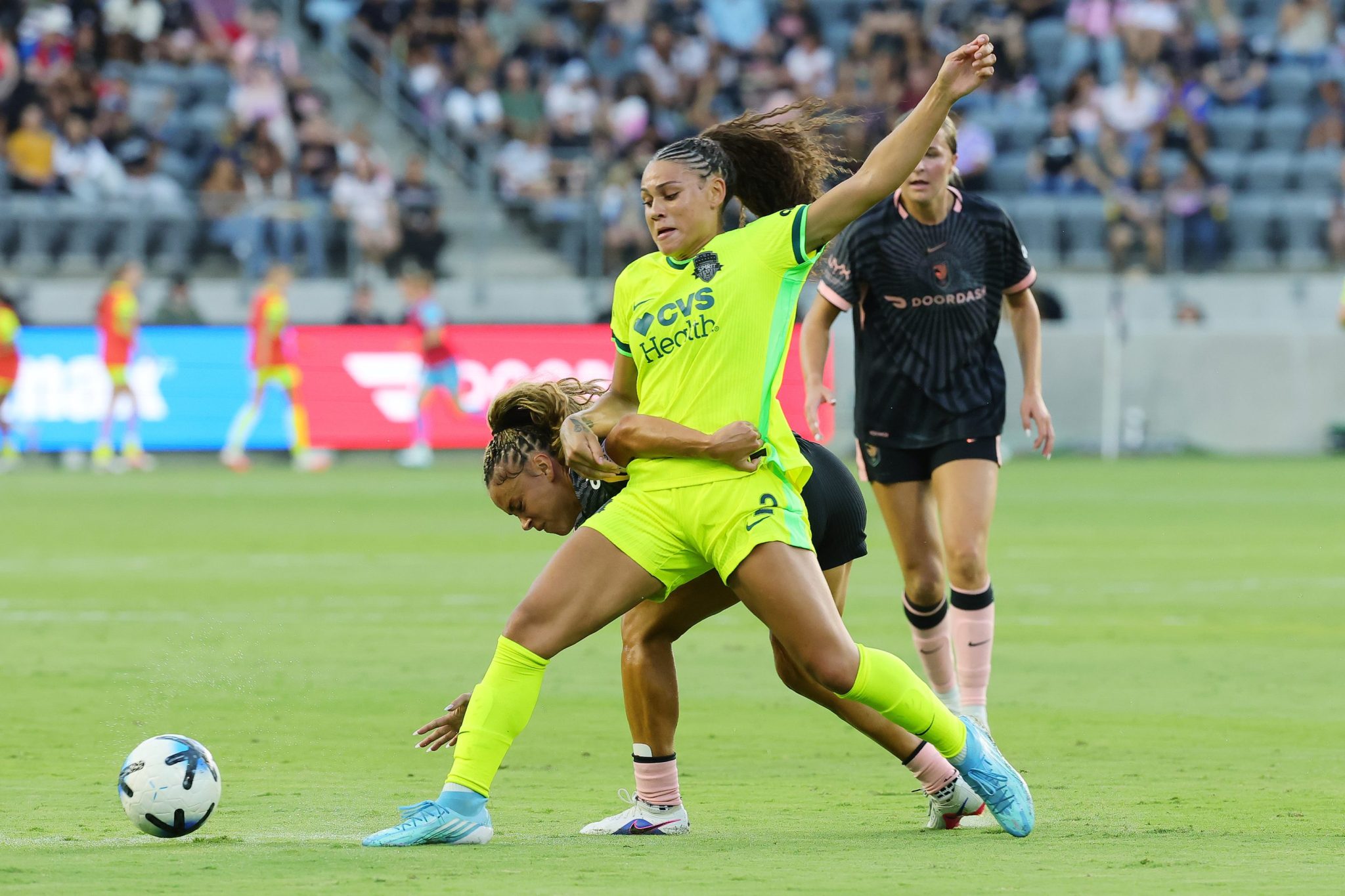
The National Women's Soccer League (NWSL) has announced its 2027 season calendar, which will be its longest yet, starting one month earlier than usual to accommodate a two-month mid-season break for players to represent their countries at the FIFA Women's World Cup. This move comes as the NWSL doubles in size over the past decade, with average attendance at matches increasing by 10% year-over-year, reaching over 11,000 fans, and social media following growing to 3.1 million.
The league's commissioner, Jessica Berman, believes the schedule will help position the NWSL at the center of one of the biggest years in women's soccer history. The NWSL plans to capitalize on the increased fan interest by hosting games in warm weather markets to accommodate the players who will be competing in the World Cup. The league's chief operating officer, Sarah Jones Simmer, stated that the early start will enable the league to ride the momentum from the World Cup and attract more players returning with success.
However, the NWSL faces logistical challenges in preparing for the 2027 World Cup schedule, including navigating cold climates, particularly for teams in colder markets such as Chicago, Denver, and Boston. The NWSL's player's association has raised concerns about the winter weather conditions, with some players expressing doubts about the feasibility of a fall-to-spring calendar.
The league's COO, Simmer, assured that the league is ready to meet the challenge and has enough geographic diversity to hold games in February due to the availability of warm weather venues.
The NWSL's health of the athletes is another concern, as the midseason World Cup slot may not be the best time to schedule the tournament, according to a study published in the Journal of the American Osteopathic Academy of Orthopedics. The NWSL's collective bargaining agreement mandates an offseason, and the league works hard to accommodate playing conditions, such as adding hydration breaks during hot-weather games.
Despite the challenges, the league remains committed to adapting and making game-time decisions to maximize the opportunities presented by the FIFA Women's World Cup.
Written by urgent.news from Fortune's reporting — not their text. Machine-written — may contain errors; check the original before relying on it.
This story
This is one outlet's version. Read the fullest account.