US hits Iranian launchers preparing to fire in Hormuz; IRGC targets Jordan in response
Revolutionary Guards announce 'the martyrdom and injury of several of our fighters and compatriots' after American forces strike Iran for first time in a month; no injuries reported in retaliatory attack The post US hits Iranian launchers preparing to fire in Hormuz; IRGC targets Jordan in response appeared first on The Times of Israel .
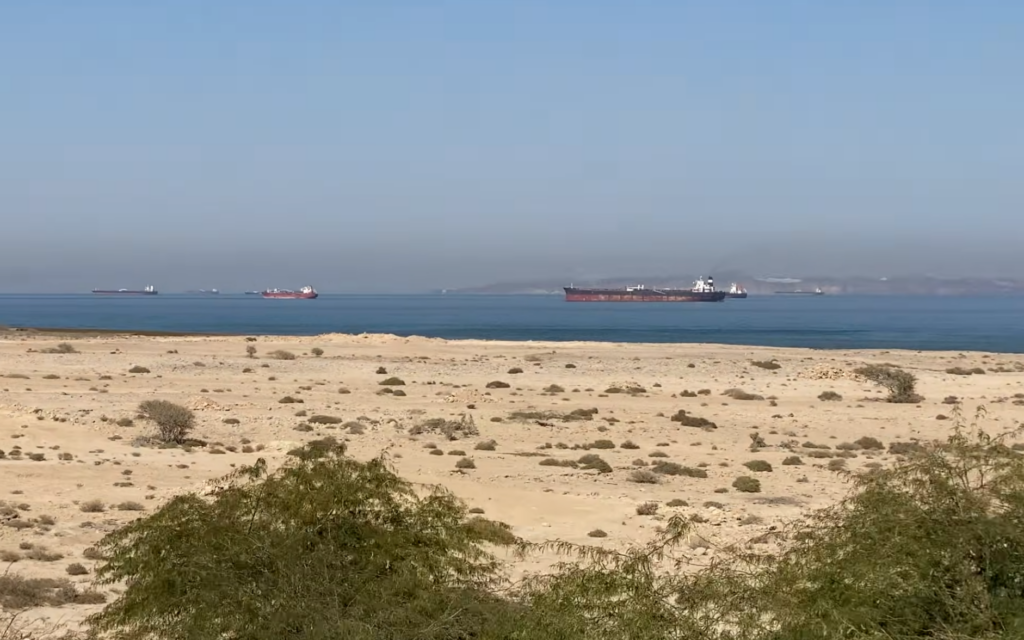
US military carried out a strike on Iranian rocket launchers, preparing to launch mines into the Strait of Hormuz, in the first such attack in a week, according to Bloomberg. CENTCOM spokesperson, Captain Tim Hawkins, announced that Iran had vowed to retaliate against what it deemed a lethal assault. The US forces continued to keep a close watch over the area, prepared to safeguard the uninterrupted flow of trade through this vital waterway.
This marked the first military action against Iran in over a month, as US President Donald Trump intensified his campaign to curb Tehran's economy. In financial terms, "risk-on" and "risk-off" refer to the degree of risk investors are willing to take during a given period. A "risk-on" market signals optimism and willingness to invest in riskier assets, while a "risk-off" market indicates caution and preference for safer, more certain investments.
Generally, during "risk-on" markets, stocks rise, most commodities increase in value (excluding gold), currencies of commodity-exporting nations strengthen, and cryptocurrencies surge. Conversely, in "risk-off" markets, bonds appreciate, gold and safe-haven currencies such as the Japanese Yen, Swiss Franc, and US Dollar gain value.
The Australian Dollar, Canadian Dollar, New Zealand Dollar, and select minor currencies typically rise in "risk-on" markets. The US Dollar, Japanese Yen, and Swiss Franc usually appreciate in "risk-off" markets due to increased demand for these currencies and US government debt, which is considered secure. On the currency market, GBP/USD experienced a weekly correction, slipping towards the 1.3530 level, influenced by strong gains in the US Dollar and Chair Jerome Powell's hawkish remarks at the Jackson Hole Symposium.
EUR/USD also saw a decline, hitting seven-day lows as the US Dollar gained strength and the US Nonfarm Payrolls Annual Revision came in weaker than expected. Gold prices continued their decline, breaking below its 200-day Simple Moving Average near $4,530 per troy ounce, following a general bullish tone in the US Dollar and rising US Treasury yields.
Meanwhile, US diesel crack spread surged past $100 per barrel, a significant increase, indicating a tightening in fuel markets.
Written by urgent.news from FXStreet's reporting — not their text. Machine-written — may contain errors; check the original before relying on it.
This story
This is one outlet's version. Read the fullest account.
- US Strikes Iranian Rocket Launchers Near Strait Of Hormuz, Breaking Month-Long Military Lull As Tehran Vows Retaliation freepressjournal.in
- US strikes Iranian rocket launchers in first attack since late July thehill.com
- Jordan intercepts eight Iranian missiles after IRGC claims strikes on US bases thevibes.com
- US Strikes Iranian Rocket Launchers bloomberg.com
- US military strikes Iranian rocket launchers in first attack in week fxstreet.com
- US strikes Iranian rocket launchers in first attacks in weeks theage.com.au
- US strikes Iranian rocket launchers in first attacks in weeks smh.com.au
- Oil rises over 1% after U.S. forces strike two Iranian rocket launchers on Larak Island cnbc.com