Uber Drivers Say Waymo Robotaxis Are Driving Down Their Pay
And their union is fighting back. The post Uber Drivers Say Waymo Robotaxis Are Driving Down Their Pay appeared first on Futurism .
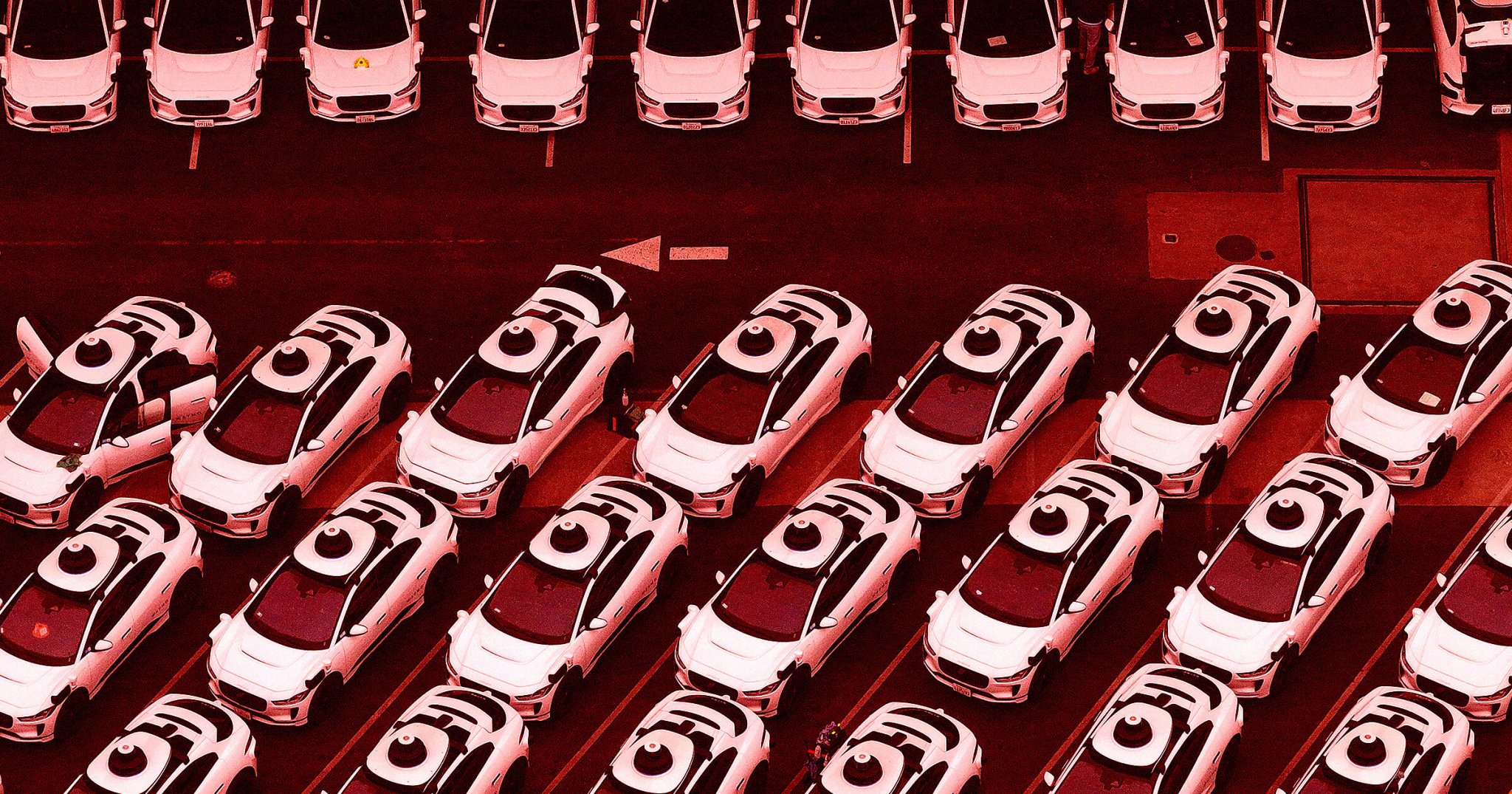
Recent reports indicate that Uber and Lyft drivers in Atlanta are experiencing decreased earnings and increased challenges following the city's adoption of Waymo robotaxis. The Atlanta Rideshare Drivers Union (ARDU) has taken up the cause, urging city and state authorities to limit Waymo's expansion and implement measures to alleviate the negative impact on drivers' livelihoods.
Liza Ramsey, a representative of the ARDU, has proposed a $0.50 to $1.00 impact fee per ride, which would be allocated to a driver transition fund. This fund would support retraining and other assistance programs for drivers displaced by the arrival of Waymo's autonomous vehicles. While the ARDU has not provided concrete data to substantiate the claim of declining income, they cite numerous complaints from drivers sharing screenshots of their earnings in a group chat.
Since Waymo's Atlanta service began operating in June 2025, it has accumulated over 5.4 million miles of fully autonomous rides, though the process has not been without controversy. Residents have grumbled about the vehicles congregating in suburban areas and getting stuck in flooded roads. Despite this, Waymo has collaborated with Uber to enable passengers to request a robotaxi directly through Uber's app.
The ARDU is not alone in its opposition to autonomous vehicles. In January, drivers from Uber and Lyft staged protests in San Francisco, advocating for stricter regulation of the industry. Similar demonstrations have taken place in New York City, Los Angeles, and Seattle. Additionally, the California branch of the Teamsters union has filed a lawsuit against state lawmakers for enacting new regulations that they claim favor the autonomous vehicle industry without adequately considering the adverse effects on the jobs of self-driving truck drivers.
Written by urgent.news from Futurism's reporting — not their text. Machine-written — may contain errors; check the original before relying on it.