There's an easy way to tell if your OLED has burn-in — here's how I test for it in the TV lab
OLED burn-in is rare, but if you’re worried about it, here’s what you can do to test for it at home.
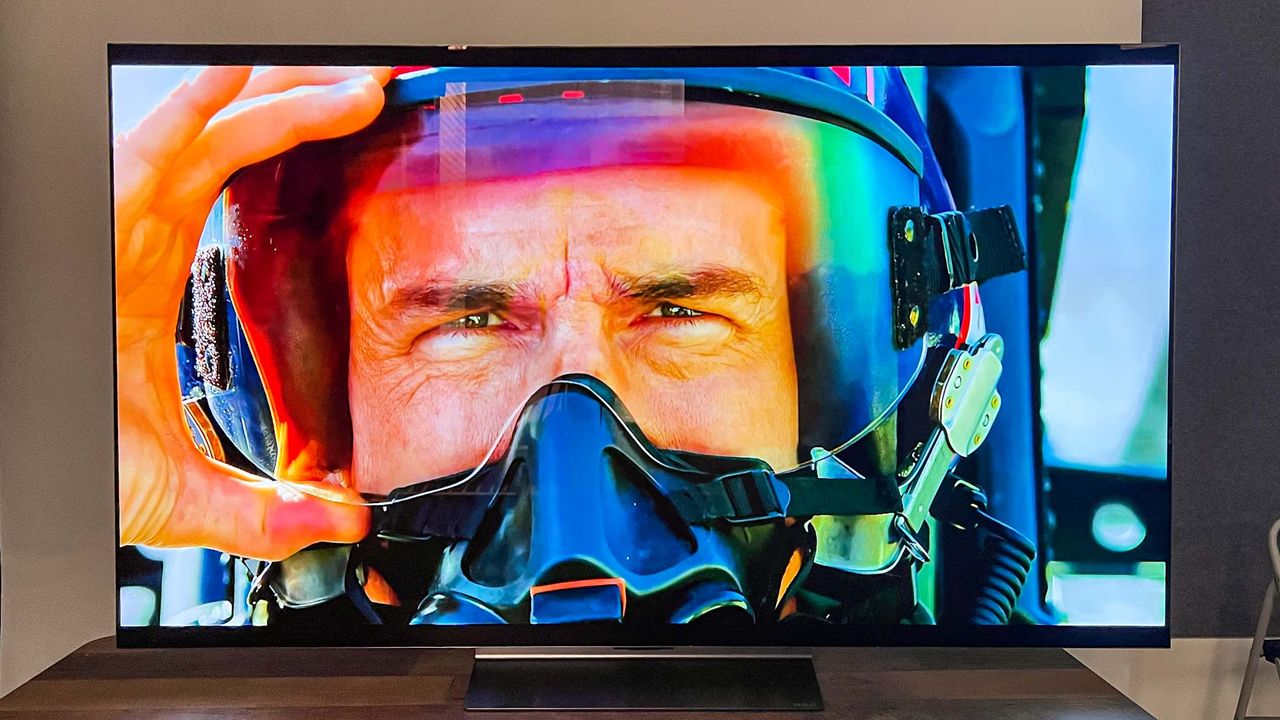
OLED burn-in refers to a permanent ghostly afterimage that appears on OLED screens after prolonged use of static images. Modern OLED TVs come equipped with software and hardware solutions to minimize the risk of burn-in. However, power-users who frequently display static images on their OLED TVs for extended periods should still be vigilant.
The video method used in the TV lab to test for burn-in can also be done at home. This video cycles through solid color and gray patterns to help highlight any potential burn-in. Typically, burn-in appears along the top, bottom, and sides of an OLED screen where static elements like news chyrons, channel logos, and game HUDs are commonly placed.
It's essential to distinguish between legitimate burn-in and other visual artifacts, such as banding that can sometimes be resolved by the TV's Pixel Refresh function. Unfortunately, there's no effective way to reverse OLED burn-in once it has occurred. Nonetheless, power-users who maintain healthy viewing habits are likely maximizing their OLED TV's lifespan.
Written by urgent.news from Tom's Guide's reporting — not their text. Machine-written — may contain errors; check the original before relying on it.