The robo pizza chefs aren’t doing okay
The future of fast food was supposed to look something like this: walk into a restaurant, place an order, and watch a robot assemble your pizza with machine-like precision. Instead, some of the companies that promised to automate pizza-making have struggled to turn that vision into a sustainable business. The latest example is Picnic, whose […]
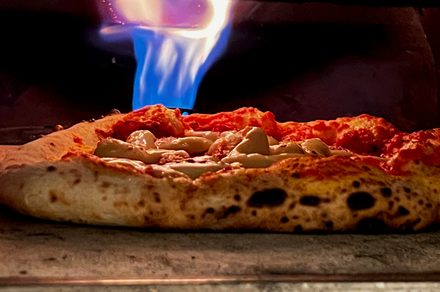
The robo pizza chefs are facing challenges in their quest for widespread adoption. The ambitious vision of a robot-assembled pizza in a restaurant setting has not yet materialized on the scale initially predicted. Companies such as Picnic, Zume, and Pazzi have attempted to automate the pizza-making process, but the reality of food preparation has proven to be a significant obstacle.
Picnic's robotic pizza-making system, deployed at a Moto Pizza restaurant in Seattle, encountered an abrupt setback when its supplier shut down in May. The restaurant was left with expensive machines and no technical support, causing Lee Kindell, an investor, to question the viability of robotic pizza-making. This situation highlights the broader issue that while making pizza may appear simple for a robot, the messy and complex nature of food preparation presents a formidable challenge.
Despite the setbacks, some experts remain optimistic about the potential of robotic pizza-making. Sara Senatore, a restaurant analyst at Bank of America, points out that food-preparation robots can be clumsy, often placing ingredients in the wrong places, while humans efficiently execute the task. However, Kindell's experience at T-Mobile Park, where a Picnic system operated with only two workers while normally requiring ten, suggests the potential for increased efficiency in production.
The industry is evolving, with companies like Appetronix working on faster machines capable of producing a pizza every minute. Miso Robotics has also acquired patents from failed pizza-automation businesses, indicating that some technology from these ventures could find new life. However, the National Restaurant Association's findings show that only 9% of US restaurant operators plan to invest in restaurant robots by 2025, pointing to high upfront costs, integration difficulties, and maintenance downtime as persistent barriers.
The challenge lies in determining where robots make sense in the restaurant environment. Some establishments view food as part of a social experience and believe that removing people could detract from that appeal. Others prioritize consistency, speed, and 24/7 production. Kindell remains convinced that fully autonomous pizza-making will eventually succeed, but the key question is who will be the first to make it work.
Written by urgent.news from Digital Trends's reporting — not their text. Machine-written — may contain errors; check the original before relying on it.