The hollow honours of a nation: When names mean less than action
This reflective piece challenges South Africans to reevaluate what it means to honour their liberation heroes. With the disgraceful decay of facilities named after giants like Charlotte Maxeke, it offers a stark reminder that true recognition lies beyond mere words, inviting readers to contemplate the meaning of legacy in a nation still grappling with the complexities of political freedom.
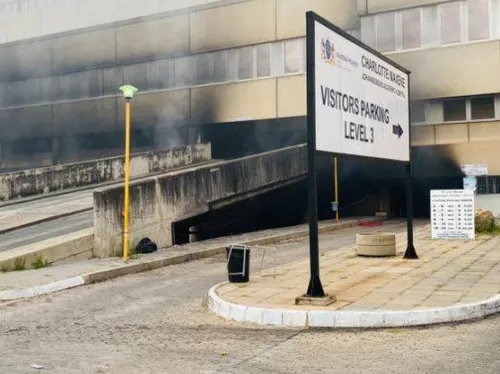
South Africa has a troubling tradition of honoring deceased leaders by naming buildings after them, regardless of the state of maintenance or upkeep. Charlotte Maxeke, an intellectual, activist and organizer who made a significant impact, has her name immortalized on a hospital that has been neglected since a fire in 2021. The government acknowledged systemic failures, maladministration and budget underspending, but the repairs have not been completed.
This "fake honor" is emblematic of a country that excels at symbolism but falls short when it comes to actual action. Other examples include Lilian Ngoyi, who led a major women's march against pass laws, and Moses Mabhida, a liberation hero. While renaming streets and buildings is a powerful statement, it is not enough to capture the true essence of what these individuals fought for.
South Africa's public buildings carry the names of giants, but their infrastructure tells a different story - one of abandonment, incompetence and broken promises. The struggle for liberation was about more than just political power; it was about human dignity, competence, prosperity and equality. Unfortunately, the country has become so preoccupied with renaming that it has lost sight of its true mission.
Names are not a substitute for service delivery, economic development or actual progress. The struggle was not just about changing the flag or the lettering on buildings; it was about creating a functioning society where everyone could thrive.
Written by urgent.news from IOL's reporting — not their text. Machine-written — may contain errors; check the original before relying on it.