Syria can rebuild its power sector with lessons learned from Jordan
Syria is rebuilding its electricity sector with more than $10 billion already pledged for generation, transmission and exploration, much of it from Gulf countries. But money is not its only advantage. Syria has something potentially more valuable – hindsight. Its neighbours have already spent decades testing different approaches to electricity reform. Jordan’s experience , in particular, offers…
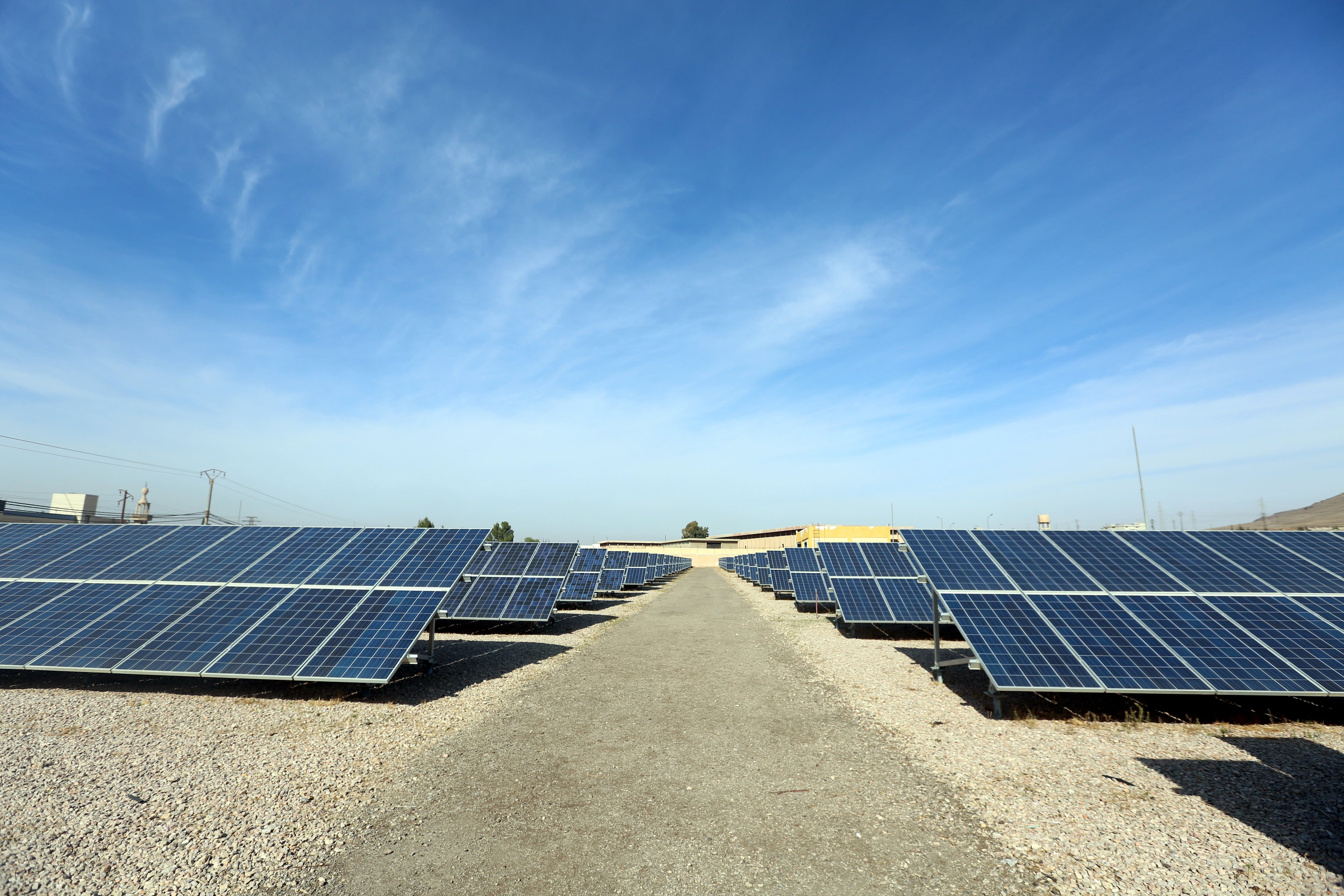
Syria is set to reconstruct its power infrastructure with support from a $10 billion pledge, primarily from Gulf nations. However, the value of its experience goes beyond finances. Jordan's journey in the past two decades serves as a practical blueprint for Syria, revealing which approaches succeeded, which faltered, and which were more costly than anticipated.
Jordan's evolution from a state-dominated electricity sector to a model combining an independent regulator, private generators, a public transmission company, and private distribution firms offers crucial lessons. A key takeaway is the necessity of separating responsibilities, with policy, regulation, transmission, and operations each playing distinct roles.
Jordan's regulatory commission and state-owned utility have fostered investor confidence. Yet, Jordan's experience also cautions against viewing privatization as an end in itself. While private investment has injected capital, expertise, and efficiency, long-term contracts can burden consumers and utilities when market conditions shift.
Thus, Syria should welcome private capital under transparent and flexible terms, ensuring competitive bidding and adaptable contracts. Jordan's early investment in solar and wind underscores the importance of early adoption of renewable energy, even if at higher tariffs. However, Syria must proceed cautiously, avoiding costly decisions tied to volatile technology costs.
Implementing competitive auctions and flexible procurement strategies can capitalize on falling technology costs. Incorporating storage and grid flexibility into the system from the outset is equally vital. Jordan's net-metering and wheeling arrangements demonstrate how distributed solar can be encouraged without disproportionately burdening non-solar consumers.
Smart meters and time-of-use tariffs can help balance the grid. Expanding Syria's electricity grid beyond national borders is another strategic opportunity. By interconnecting with Jordan, Lebanon, Turkey, Iraq, and other regional systems, Syria can trade surplus renewable energy, balance demand, enhance reliability, and reduce individual generation capacities.
This regional approach is more cost-effective in the long run. Jordan's interconnection project with Syria presents a starting point, but Syria should aim for broader regional connections. Jordan's experience provides Syria with invaluable insights—successful elements to emulate, and the pitfalls to avoid. The ultimate goal should not merely be to restore Syria's previous electricity system, but to construct a more resilient, adaptable, and interconnected power sector poised to meet its needs for the next three decades.
Written by urgent.news from The National Business's reporting — not their text. Machine-written — may contain errors; check the original before relying on it.
Also reported by 1 other outlet
- Syria can rebuild its power sector with lessons learned from Jordan thenationalnews.com