Scented cleaning products may release harmful nanoparticles, study warns
Researchers at Purdue University found that scented cleaning products can generate nanoparticles that penetrate the lungs and enter the bloodstream.
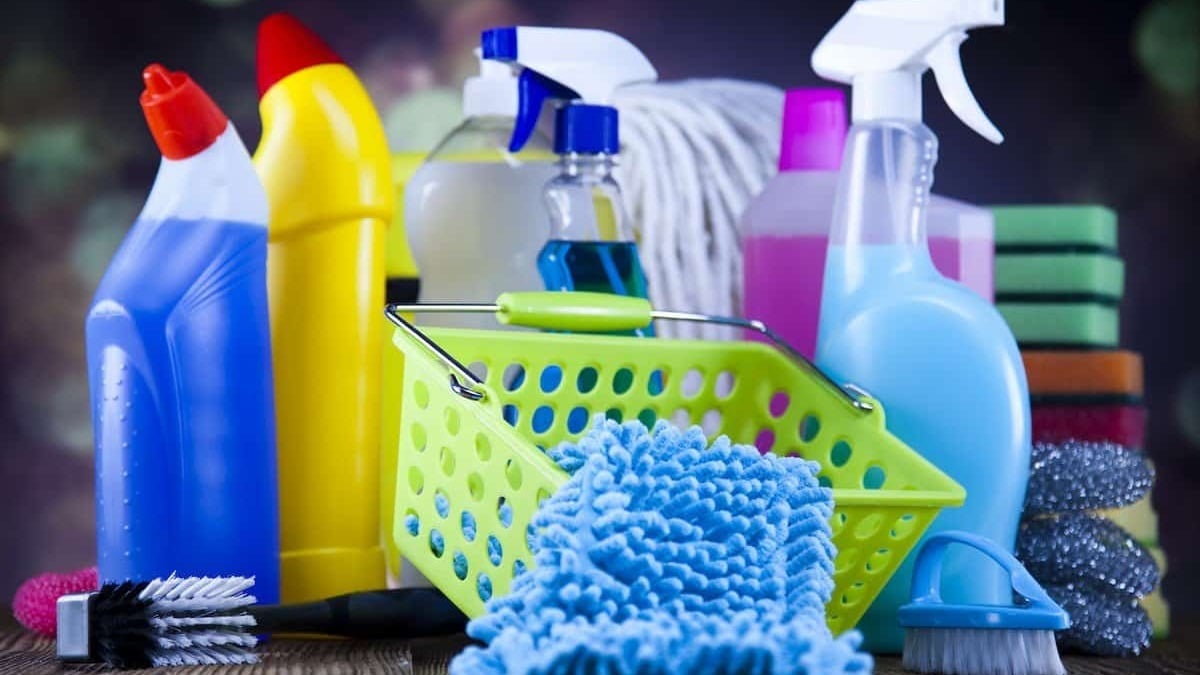
A recent study conducted by researchers at Purdue University has raised concerns about the potential health risks associated with scented cleaning products. The team discovered that these products can release harmful nanoparticles when used indoors. Terpenes, the compounds responsible for the fragrances in these cleaning agents, interact with indoor ozone to create fine particles that can penetrate lung tissue and enter the bloodstream.
Lead researcher Brandon Boor highlighted that while cleaning products effectively remove germs, they also generate invisible air pollution. Boor explained that the respiratory dose of these nanoparticles can be as harmful, if not more so, than exposure to pollutants near busy roads. Experiments conducted in a miniature laboratory home revealed that scented cleaning products can emit billions of nanoparticles (ranging from 1 to 30 nanometers in diameter) within minutes, particles too small to be detected by most air quality monitors.
The study cautioned that these particles pose a significant risk as they can reach deep lung tissue. Other research has already linked excessive exposure to limonene, a common terpene, to conditions that could precede heart disease and diabetes. Boor emphasized that while terpenes occur naturally in various plants, their concentrations in cleaning products are often dozens of times higher than those found in nature.
He warned that even pleasant-smelling air may be polluted with these invisible particles. Boor advised using unscented cleaning products, proper ventilation during cleaning, and avoiding ozone-generating devices. The study's findings were presented at the American Chemical Society's Fall Meeting, which took place from August 23 to 27.
Written by urgent.news from Ajel English's reporting — not their text. Machine-written — may contain errors; check the original before relying on it.