Russia bids Rs 50,000 crore for 5 more S-400 squadrons to boost India’s air defence
Russia has put forward a proposal for an additional five S-400 air defence squadrons, a move endorsed by India in March 2026 after Operation Sindoor. This acquisition will significantly enhance the air defence capabilities of India on multiple fronts. The delivery is anticipated to commence approximately three years post-signing, allowing for substantial protection against various aerial threats.
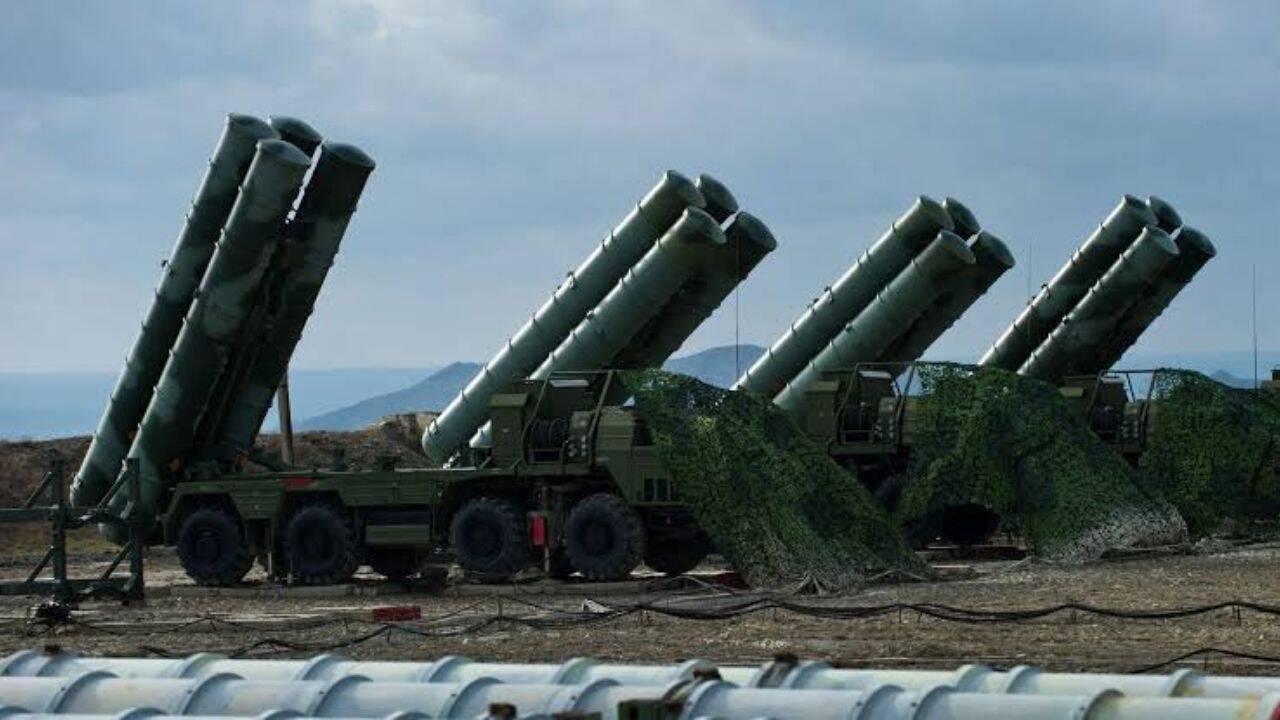
The Indian defence ministry is processing a proposal from Russia for the purchase of five additional S-400 Triumf long-range air defence squadrons, valued at over Rs 50,000 crore. The decision to acquire more S-400 systems was made in March 2026, following the successful Operation Sindoor. The extra squadrons are anticipated to bolster India's layered air defence along both the western and eastern borders.
In addition to the new squadrons, India is also procuring more than 280 missiles to augment its S-400 interceptor stockpile, ensuring consistent availability for both existing and newly acquired units. The original contract with Russia was signed in 2018 for five S-400 squadrons, with four already delivered and the final one scheduled to arrive by November 2026.
The delivery of the new S-400 units is projected to commence around three years after the agreement is signed, with the additional systems being stationed along India's eastern and western fronts, thereby expanding the nation's long-range air defence coverage against potential aerial threats.
The S-400 Triumf is a powerful Russian surface-to-air missile system capable of detecting, tracking, and engaging a variety of aerial targets, including fighter aircraft, strategic aircraft, cruise missiles, and other airborne threats. The system comprises surveillance and engagement radars, command-and-control elements, launchers, and different types of interceptor missiles.
Its long-range engagement capability allows it to target targets up to 400 km away, while shorter-range missiles provide additional protection closer to defended areas. The system can also track and simultaneously engage multiple targets, making it ideal for safeguarding strategic military installations, air bases, command centers, and other high-value assets.
Written by urgent.news from Times of India's reporting — not their text. Machine-written — may contain errors; check the original before relying on it.
This story
This is one outlet's version. Read the fullest account.
- India, Uzbekistan target long-term uranium pact, set annual trade target of $5 bn timesofindia.indiatimes.com
- PM Modi focuses on drug-free India, women’s empowerment in Mann Ki Baat hindustantimes.com