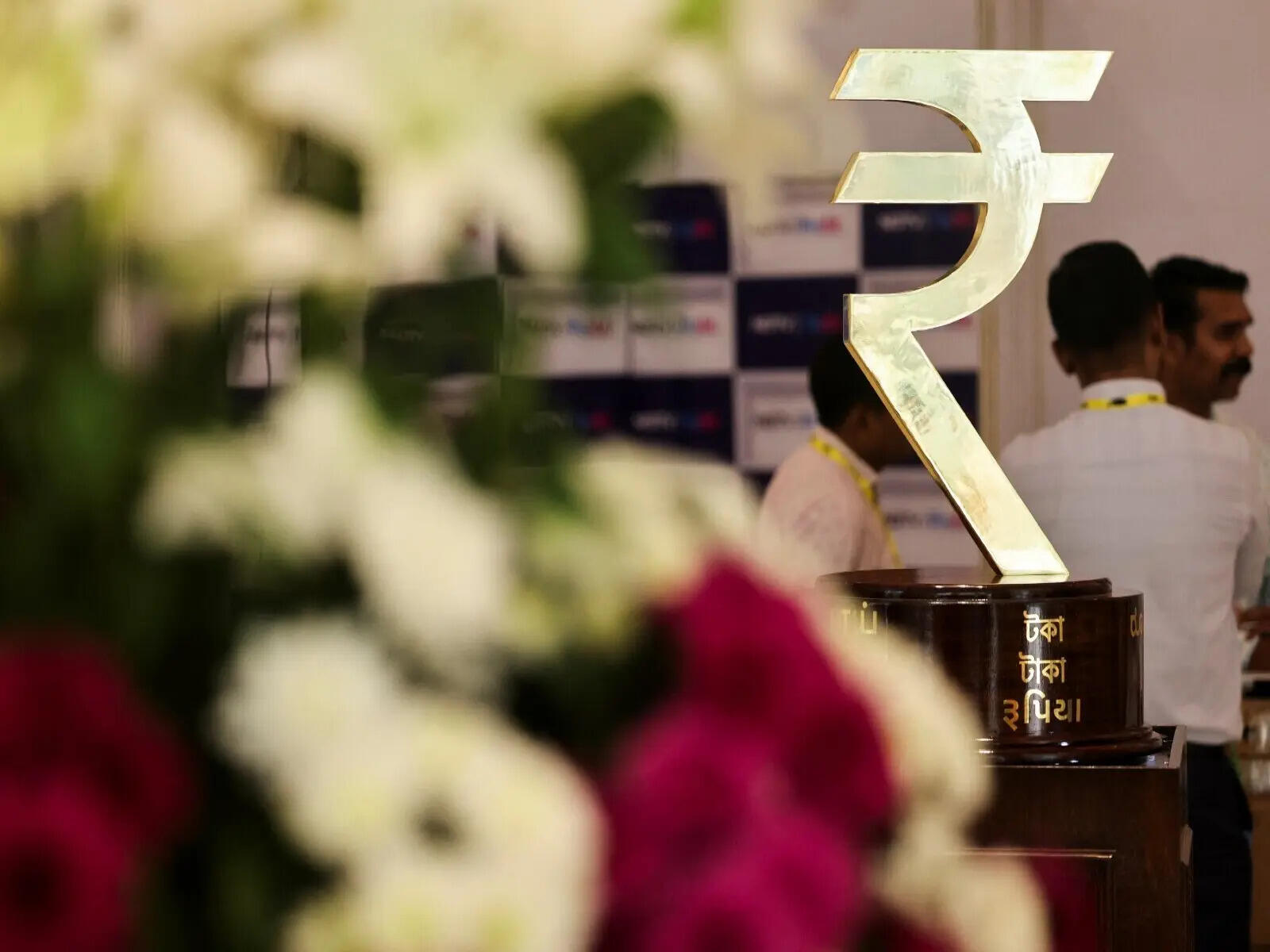
Rupee may face 6.5% annual depreciation path as forex mobilisation only delays pressure: Systematix
Despite this depreciation, exports have not strengthened sufficiently, partly because Indian manufacturing remains dependent on imported inputs

A recent analysis by Systematix, a domestic brokerage firm, predicts that the Indian rupee could face a 6.5% average annual depreciation as foreign-exchange mobilisation merely delays the pressure. While the Reserve Bank of India's efforts to replenish its forex reserves may provide temporary stability, the underlying forces causing the rupee's weakness have not been resolved.
The research house states that without aggressive intervention by the central bank, the Indian currency might have already surpassed the ₹100-per-dollar mark. Over the past two years, the rupee has depreciated by 17%, moving from approximately ₹83 to nearly ₹97 per dollar, even with significant RBI intervention. In comparison to the 2013 taper-tantrum episode, when a smaller mobilisation programme led to a 10% appreciation in the rupee, the contrast suggests that foreign-currency mobilisation alone cannot guarantee lasting exchange-rate stability.
Since 2013, the rupee has depreciated by around 100%, significantly underperforming both the dollar and emerging-market currency indices. The report attributes the weakening currency to factors such as productivity, capital flows, trade competitiveness, inflation, and policy decisions. In addition, India's external trade position has become a concern, with the trade deficit widening to around $86.6-86.8 billion in the first quarter of FY27, and the deficit with China reaching record levels, annualising at roughly $120 billion.
Services exports also contracted in the first quarter, with exports estimated at around $49 billion, a 18% decline compared to the previous quarter. The rupee's real effective exchange rate has fallen by about 17% since late 2024, although exports have not improved sufficiently due to India's manufacturing sector being heavily dependent on imported inputs.
Systematix expects the rupee's depreciation to remain elevated and volatile, with the additional $80 billion in foreign-currency assets potentially raising import cover to around 10 months and providing short-term intervention capacity. However, the report warns that the buffer could be quickly depleted if global interest rates rise or capital outflows intensify.
Written by urgent.news from Hindu BusinessLine's reporting — not their text. Machine-written — may contain errors; check the original before relying on it.