Pioneering Care After Crisis: It All Starts with the People
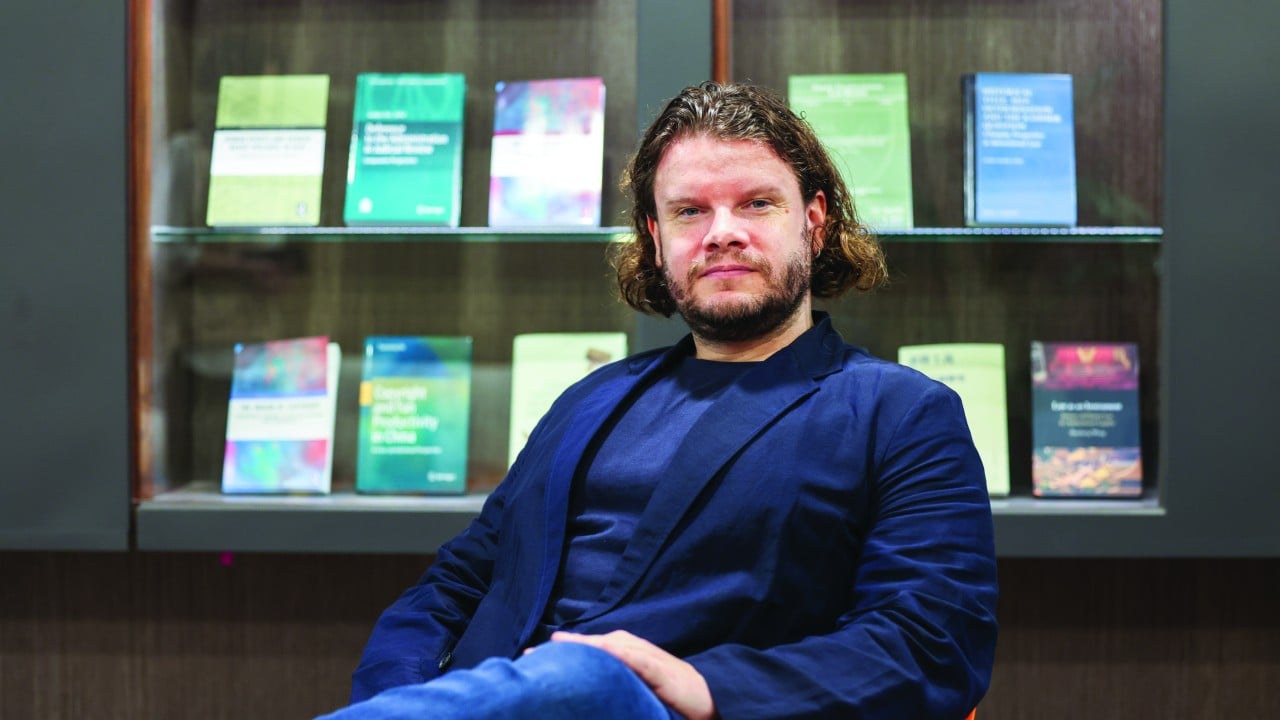
[The content of this article has been produced by our advertising partner.] When the devastating fire broke out at Wang Fuk Court in Tai Po on 26 November, the response from City University of Hong Kong (CityUHK) did not begin with a strategy memo. “In fact, since the very beginning, it was not a strategy,” says Professor Cherry TAM, Associate Professor from the Department of Social and…
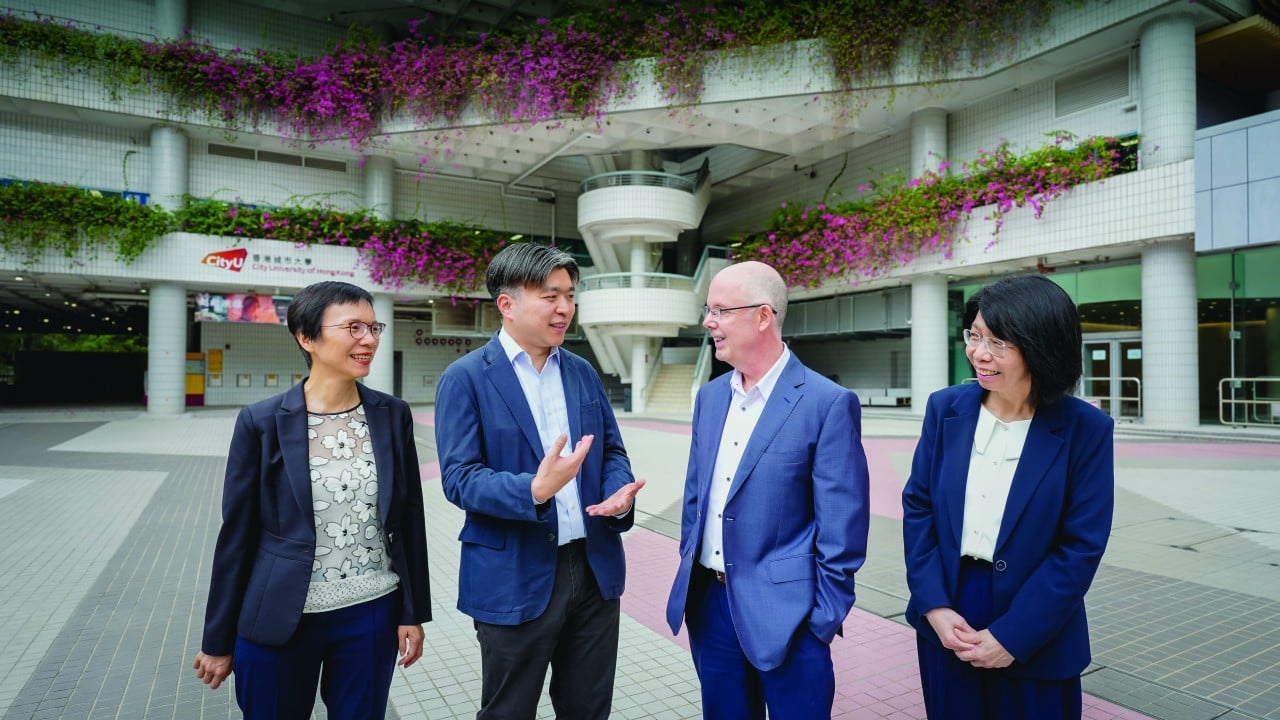
When the fire at Wang Fuk Court in Tai Po struck on November 26, City University of Hong Kong (CityUHK) immediately went into action—not with a strategic plan, but with a commitment to caring for people and society. Associate Professor Cherry TAM, from the Department of Social and Behavioural Science, emphasized that the university's response was rooted in their mission to engage with the community and contribute to society.
Within just five days, the university had organized a public lecture on resilience, provided psychosocial support for affected primary school pupils, and began planning trauma-informed workshops for frontline professionals.
This initial instinct soon blossomed into a more ambitious model—the CityUHK Community Chilling Hub. The hub demonstrated the power of collaboration among private and public sectors, academia, public health, and social care in Hong Kong. It showcased how crises reveal the urgency of human care and how universities can innovate and contribute to society.
Professor TAM resisted the notion of "strategy," insisting that the response was simply embedded in CityUHK's DNA. The university's ethos of engaging with the community and generating knowledge for society translated into speed and agility. Senior management, academic staff, and technical support units worked together rapidly, across time constraints and boundaries, demonstrating interdisciplinary collaboration.
The university provided direct psychosocial support to those affected by the fire, particularly primary school pupils. They invited students onto campus for distance from the disaster site and emotional support, using adapted cartoon storytelling to help children externalize their fears. This layered approach—listening, normalizing, identifying, and referring—focused on sustainable recovery at the human scale.
The university emphasized hope, as without it, people might decline further. Bringing children to campus symbolized hope for the future, showing that even though the university seemed far away, it offered a space for possibility.
The trauma support extended beyond residents, as many helping professionals felt ill-equipped to handle the trauma. By early January, the university launched a full-day trauma-informed workshop using a "train the trainer" model. This approach aimed to strengthen the professional ecosystem, creating networks of practitioners ready to respond to future crises.
Investing in distributed capacity meant that the university was not relying solely on centralized emergency responses but fostering a system of support for ongoing crises.
The early initiatives highlighted that post-traumatic recovery was a long-term challenge, not a short-term fix. Continuous support to guide affected people towards overcoming trauma and experiencing post-traumatic growth was essential. With support from the China Hongqiao Group Limited, CityUHK established the Community Chilling Hub, aiming to provide long-term and sustainable support for the affected communities in an inclusive, stigma-free environment.
The hub integrates physical health screening, mental health support, social services, and spiritual well-being, offering a one-stop shop for holistic wellness support. This integrated design aligns with sustainable development goals, reducing inequalities in access and addressing well-being holistically.
Written by urgent.news from South China Morning Post's reporting — not their text. Machine-written — may contain errors; check the original before relying on it.
This story
This is one outlet's version. Read the fullest account.