Pioneering Care After Crisis: It All Starts with the People
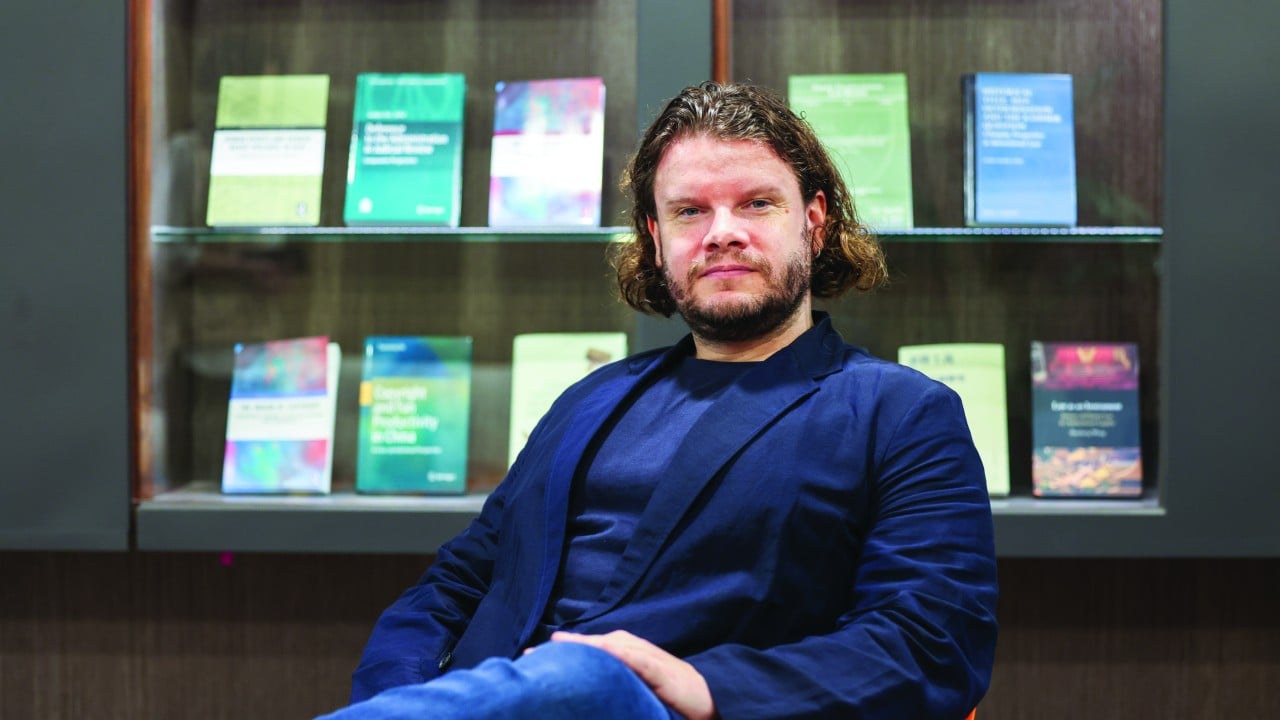
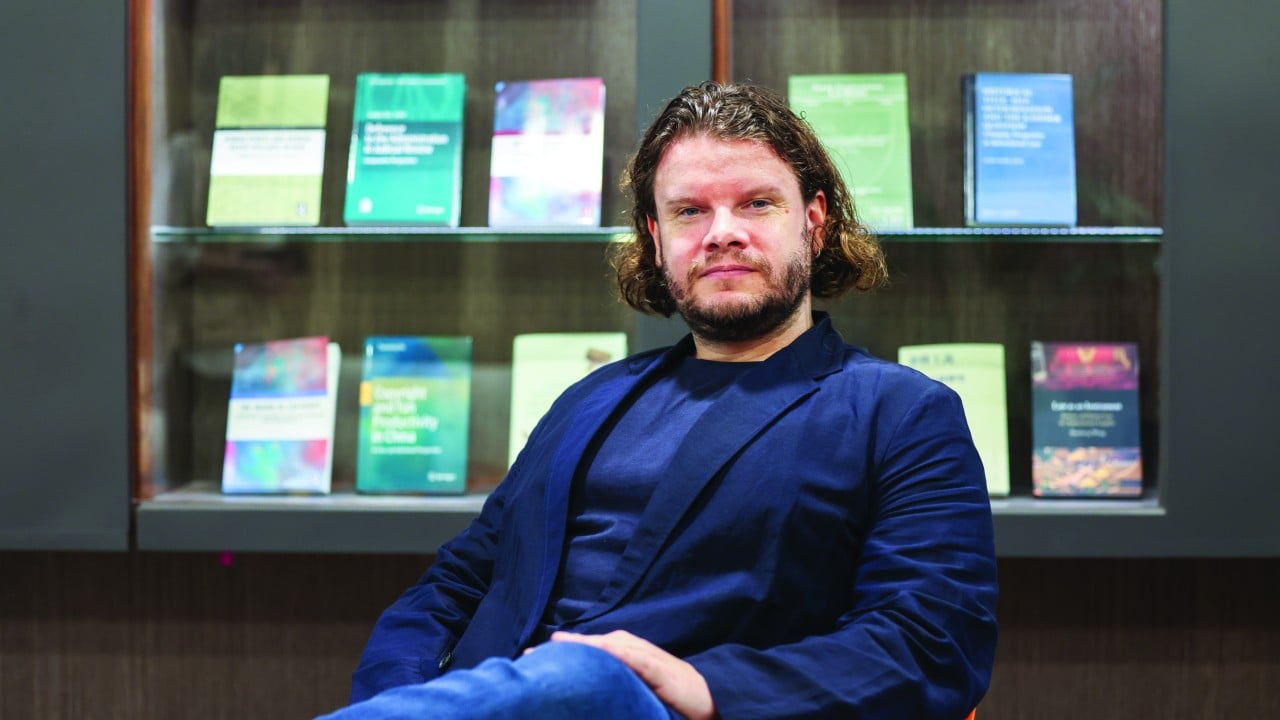
[The content of this article has been produced by our advertising partner.] When the devastating fire broke out at Wang Fuk Court in Tai Po on 26 November, the response from City University of Hong Kong (CityUHK) did not begin with a strategy memo. “In fact, since the very beginning, it was not a strategy,” says Professor Cherry TAM, Associate Professor from the Department of Social and…
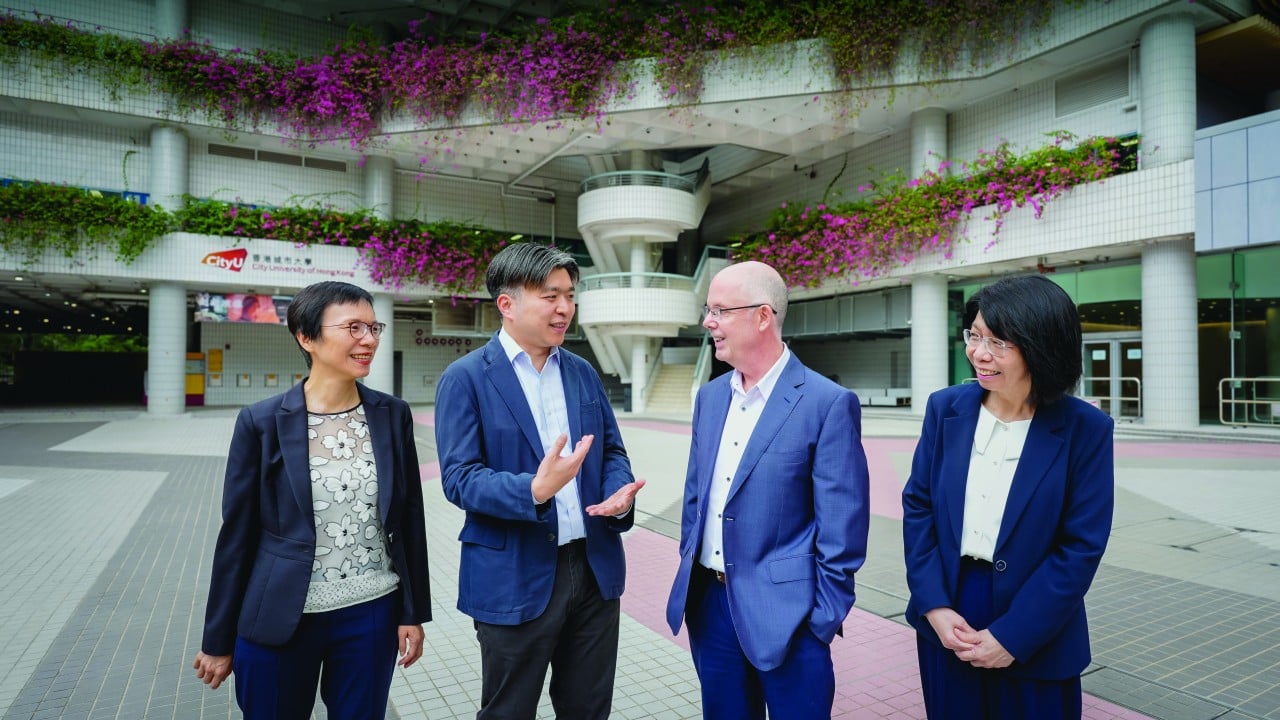
On 26 November, a devastating fire erupted at Wang Fuk Court in Tai Po, prompting the City University of Hong Kong (CityUHK) to act immediately. Professor Cherry TAM, an Associate Professor from the Department of Social and Behavioural Science (SS), emphasized that the university's response was not a strategy, but rather their responsibility and expertise.
Within five days, the university had organized a public lecture on resilience, provided psychosocial support for affected primary school pupils, and began planning trauma-informed workshops for frontline professionals.
The university's response exemplified the importance of interdisciplinary collaboration and agility in dealing with complex crises. Within a matter of minutes, senior management, academic staff, and technical support units worked together across departments and boundaries. The resilience lecture was held just days after the fire, and senior management, academic staff, and technical support units worked across time constraints and boundaries to make it happen.
The university's immediate actions extended to providing direct psychosocial support, particularly for affected primary school pupils. The team partnered with an NGO and the university's senior management to invite students onto campus, offering them a safe space to process their emotions. Using adapted cartoon storytelling, facilitators helped children externalize their fears, and artistic drawing allowed quieter students to express themselves without words.
The university's efforts aimed to build sustainable capacity by training the trainers in trauma-informed care. The "train the trainer" model aimed not only to provide immediate intervention but also to strengthen the professional ecosystem. The university invested in distributed capacity, creating networks of practitioners ready to respond to future crises.
The university's response demonstrated the importance of moving beyond fragmentation and towards integration in post-traumatic recovery. The Community Chilling Hub, established with the generous support of China Hongqiao Group Limited, offers longer-term and sustainable support for affected communities in a stigma-free space. The hub integrates physical health screening, mental health support, social services, and spiritual well-being, aligning with sustainable development goals and breaking down silos in Hong Kong's mental wellness-related issues.
Written by urgent.news from South China Morning Post - Hong Kong's reporting — not their text. Machine-written — may contain errors; check the original before relying on it.