New study suggests measures for propping up Keralam’s ailing natural rubber sector
Tapping abandoned plantations, revamping rubber production incentive scheme and reviving rubber producers’ societies among recommendations
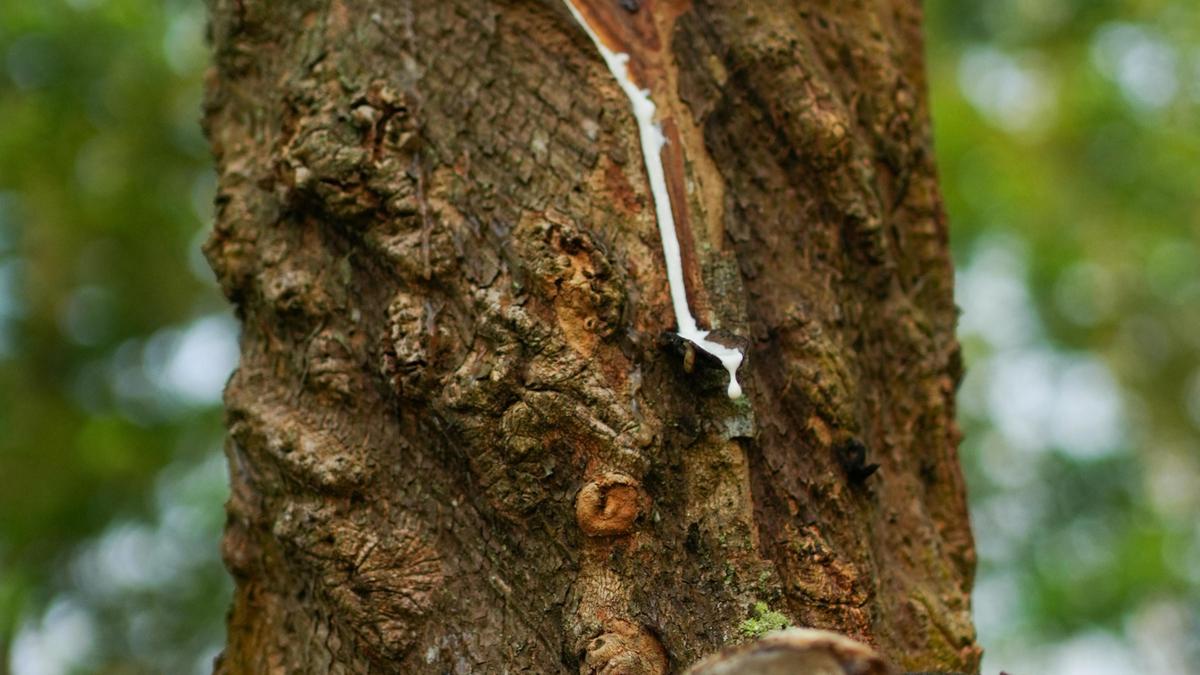
A new study conducted by the Public Policy Research Institute (PPRI) under the Finance department has suggested measures to revive Keralam's struggling natural rubber sector. The study, titled "Price fall of natural rubber and its impact on Kerala economy - Study of a natural rubber-dominant grama panchayat," examined the effect of falling rubber prices on Chirakkadavu, a grama panchayat in Kottayam district that relies heavily on the sector.
Prof. S. Mohanakumar, the director of PPRI, emphasized the need to revive rubber producers' societies (RPS) and overhaul the rubber production incentive scheme (RPIS) to attract farmers to the sector. The study also proposed a scheme to tap abandoned plantations and suggested restructuring the RPIS to include labor, as the current farmer-oriented scheme is ineffective due to a 'buyer oligopsony' involving automotive tyre majors controlling over 70% of India's consumption.
Kerala's natural rubber sector is facing unprecedented volatility and falling prices, with productivity and production declining while the gross area under the crop remains unchanged. The study recommends expanding the World Bank-aided KERA project to cover all districts and plantations, as it currently only covers six districts.
Additionally, the study calls for promoting rubber exports, rubber-based MSMEs, and specialized training for women in non-tyre industries. The study was based on a sample survey of 565 rubber-reliant respondents in Chirakkadavu, revealing a decline in licensed rubber dealers, input suppliers, and processing units due to the persistent fall in rubber prices.
Written by urgent.news from The Hindu's reporting — not their text. Machine-written — may contain errors; check the original before relying on it.