Military Digest | When the British feared airborne invasion of India, raised anti-parachute force
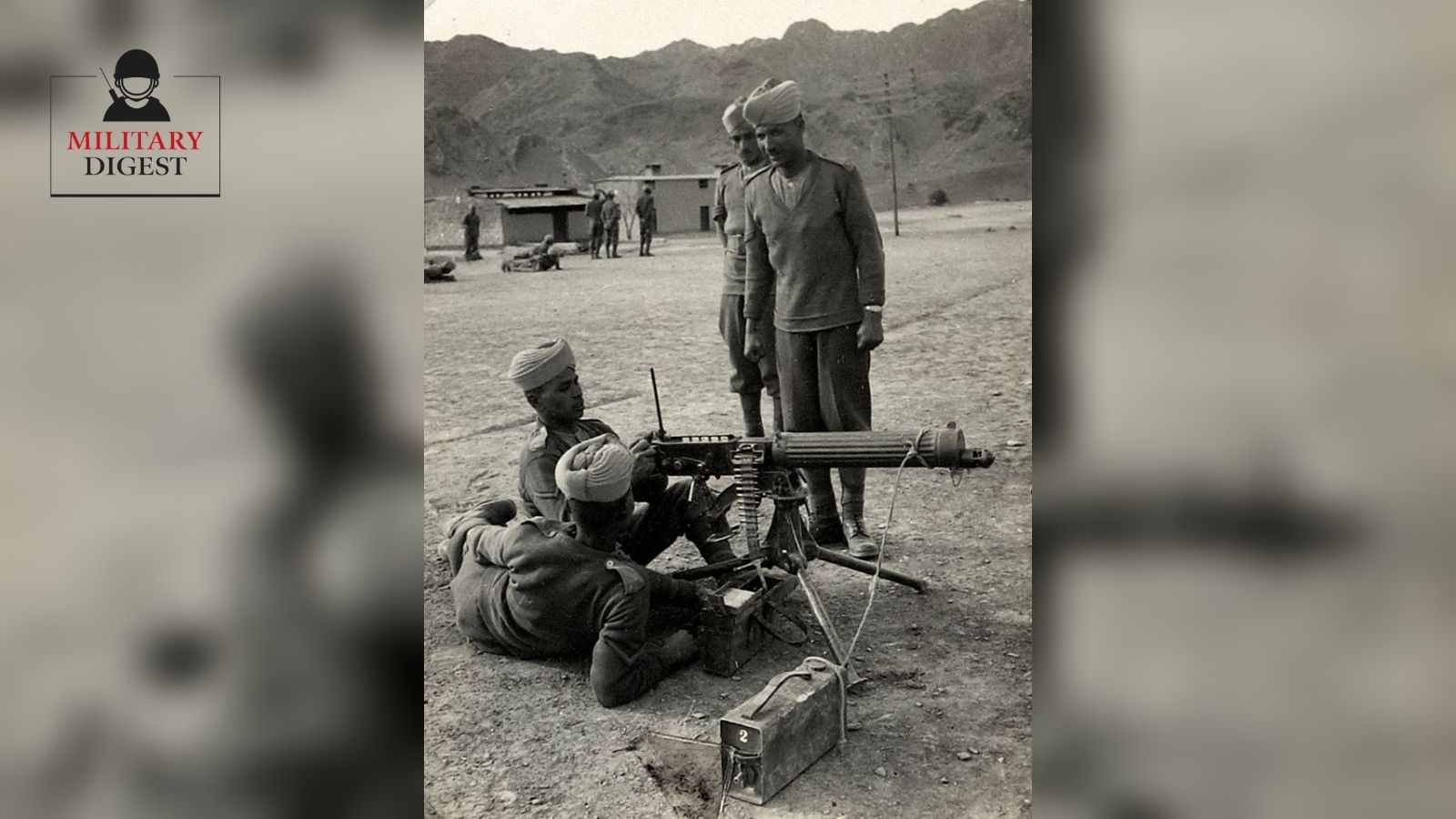
In the third year of World War II, the British administration in India grew increasingly concerned about a potential German invasion on the western borders. To counter this threat, an anti-parachute force was established to handle any airborne invasion. In February 1941, the Government of India instructed Army authorities in New Delhi to form mobile anti-parachute columns in Punjab and the North West Frontier Province.
These columns, totaling four, were to be stationed in Nowshera, Kohat, Rawalpindi, and Lahore. The British aimed to train these columns in the areas they would need to protect and coordinate with local civil officials in case of war operations. If any of the states requested to form their own anti-parachute columns, the British officials explained that the idea had been considered but deemed impractical due to the need for unity of command and cooperation, as well as resource constraints.
The British believed that the Army must take the ultimate responsibility for handling the threat, regardless of cooperation from civil forces. The threat of parachute and airborne troops landing throughout the countryside was also considered, with the potential to attack key communication points, oil installations, wireless stations, arsenals, power stations, and government offices.
Written by urgent.news from The Indian Express's reporting — not their text. Machine-written — may contain errors; check the original before relying on it.