Lessons from Tokyo, New York; 3-pronged approach: Delhi races to clear legacy waste
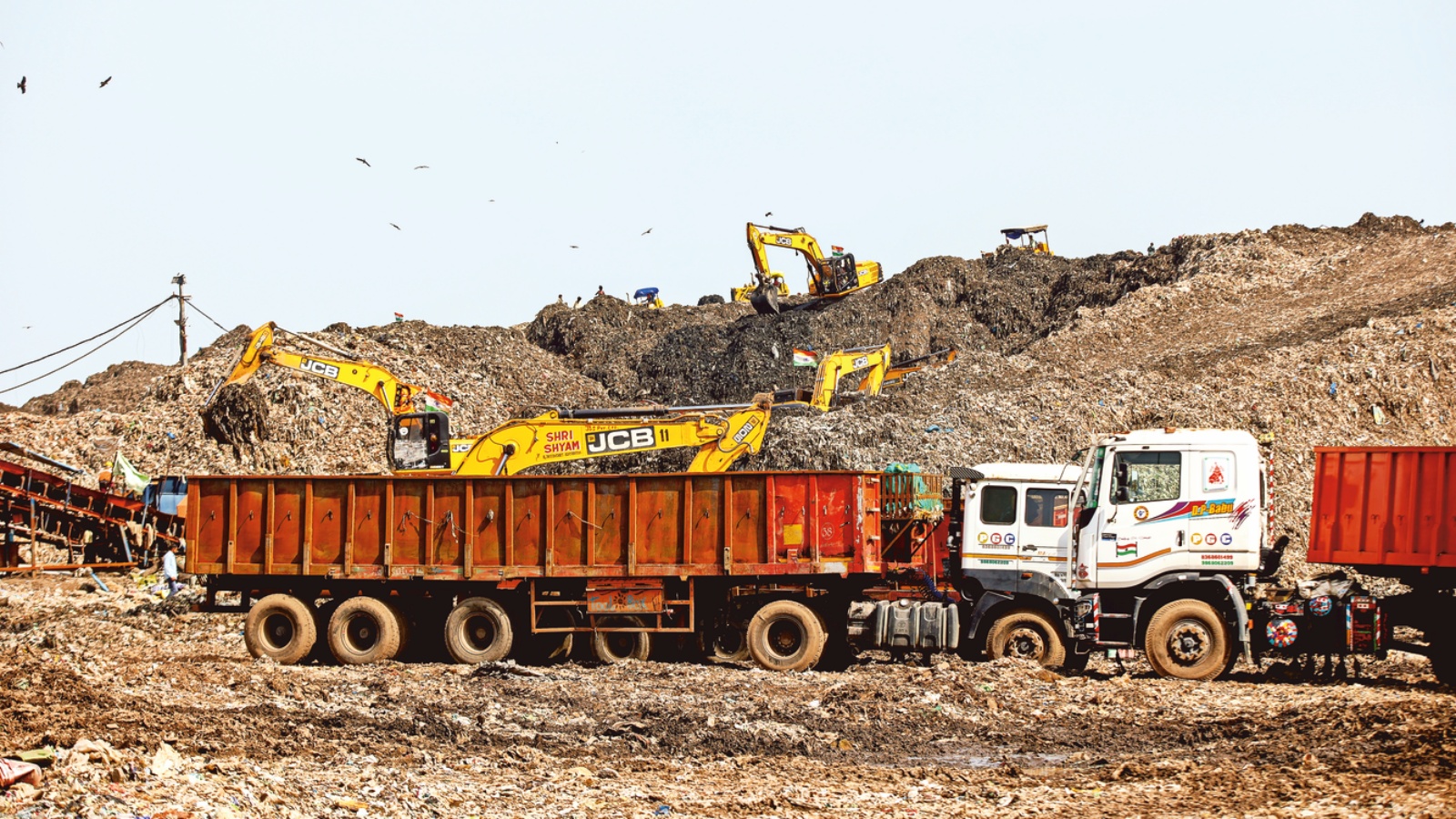
The Municipal Corporation of Delhi (MCD) has been grappling with the challenge of clearing legacy waste accumulated over decades at landfills in the city. At a recent meeting, the MCD sought guidance from world-renowned waste management strategies employed in Tokyo, New York, and Barcelona. The discussions also emphasized the need for integration of the informal sector, rollout of utility tariffs, and control of emissions.
The meeting, chaired by MCD Commissioner Sanjeev Khirwar, culminated in a proposed three-pronged approach for Delhi with the aim of enhancing MCD's operational efficiency, ensuring financial sustainability, and reducing atmospheric emissions. Tokyo's waste processing system, which involves 23 Waste-to-Energy facilities, has been highlighted as a successful global best practice.
Meanwhile, New York's externalized waste management model, where private agencies are involved in waste transportation and processing, was also presented. Barcelona's Zero Waste Plan 2021-2027, which focuses on decentralized waste management facilities and encourages behavioral change among citizens, was also discussed. The proposed approach for Delhi includes decentralised processing and transport, development of a sustainable waste treatment mix, and institutional strengthening.
Many of these suggestions are already on paper, including biomining to develop a sustainable waste treatment mix. The MCD's efforts to clear landfills, such as those in Okhla, Bhalswa, and Ghazipur, have been hampered by heavy rainfall and the consistent influx of fresh waste. The meeting also recommended incorporating ward-level processing, where recyclables and organics are processed at the source itself to prevent open dumping or burning.
The Central Pollution Control Board (CPCB) guidelines emphasize manual and mechanical segregation of municipal solid waste at Material Recovery Facilities (MRF) before sending it to landfills.
Written by urgent.news from The Indian Express's reporting — not their text. Machine-written — may contain errors; check the original before relying on it.