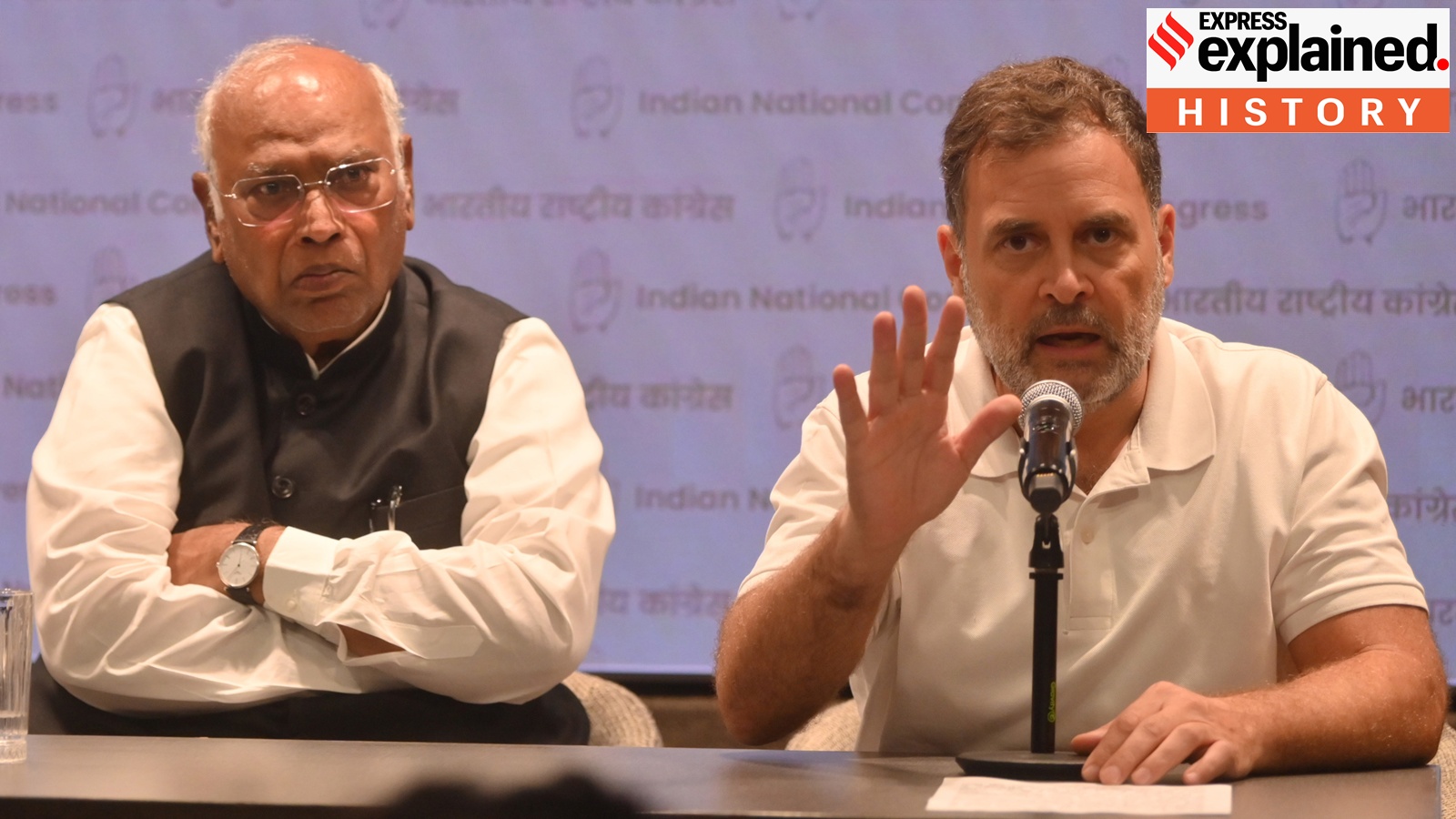
Kharge ‘purification’ row : How the ‘shuddhi’ practice started, evolved
The term "shuddhi" or "purification" has been a significant practice in Indian society for over a century. Originating from the Arya Samaj movement in the late 19th century, it was initially devised to convert people from other religions, particularly those belonging to the Dalit community who faced the stigma of untouchability. The practice gained prominence during the period when India was divided into Hindu India, Muslim India, and British India, with the British census playing a crucial role in shaping caste dynamics.
Initially, the shuddhi movement was aimed at preventing conversion and retaining Hindus. However, over time, its meaning evolved to encompass mass conversions of "untouchables" in order to rid them of untouchability, a practice that was met with resistance from various sections of society. The Arya Samaj, particularly under Swami Shraddhanand, played a pivotal role in promoting the shuddhi movement, often encouraging mass conversions through public ceremonies that involved the ritualistic use of Panchgavya, five products of the cow.
The practice of shuddhi led to concerns among Muslims, Christians, and even Sikhs, who saw it as an attempt to convert and marginalize certain communities. Punjabi Congressman Dr Saifuddin Kitchlew and the Jamiat-i-Tanzim movement were among those who actively opposed the Arya Samaj's shuddhi practices. Similarly, counter-movements such as Tabligh and Jamiat-i-Divaat-o-Tabligh emerged to counter the Arya Samaj's outreach.
The convergence of Hindu orthodoxy with the Arya Samaj in the early 20th century further fueled the shuddhi movement, leading to notable instances such as the re-conversion of the Malkhans of Mathura and Farrukhabad in Uttar Pradesh. However, the movement also led to differences between Hindus and Sikhs in Punjab, with Sikhs opposing the tonsure of heads during public ceremonies.
Despite the efforts of some within the Arya Samaj, like the Mahatma Party led by Shraddhanand, to perform mass shuddhis of "untouchables," the practice ultimately faced limits. Some educated Dalits broke away from the Arya Samaj, accusing it of seeing itself as Aryan and undermining the original inhabitants of India. The formation of the Aad Dharm movement by Dalits who felt betrayed by the Arya Samaj schools further highlighted the evolving nature of the shuddhi movement.
Written by urgent.news from The Indian Express's reporting — not their text. Machine-written — may contain errors; check the original before relying on it.