JD.com’s US$1.3b expansion could test Hong Kong’s footfall-driven retail property model
JD.com’s rapid expansion in Hong Kong could challenge the property model that has long made the city’s busiest streets and shopping centres its most valuable, analysts say. The Chinese e-commerce giant has invested more than HK$10 billion (US$1.3 billion) in Hong Kong property over the past two years, building a network of stores, warehouses and other assets that analysts said could reduce the…
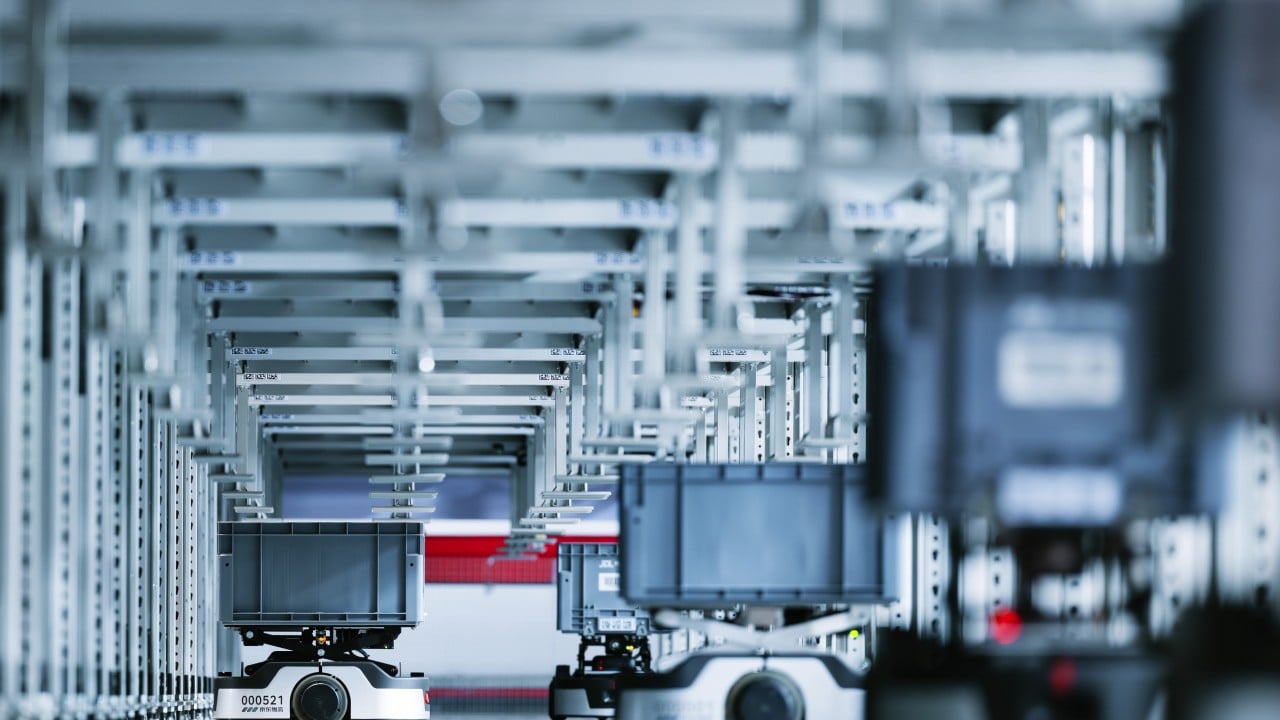
JD.com's recent investments in Hong Kong property could challenge the city's traditional retail model, experts warn. The Chinese e-commerce giant has poured more than US$1.3 billion into the city over the past two years, constructing a network of stores, warehouses, and other assets. This investment, part of a broader push into Hong Kong, includes retail, logistics, technology, and other businesses.
Analysts argue that JD.com is testing a different model, where the value of its investments lies not only in the income generated but also in their role within a wider network for moving goods to customers. This shift could reduce the significance of footfall for some retailers and increase the value of logistics hubs and strategically located sites.
Despite the investments, JD.com has not responded to requests for comment on this strategy. Analysts believe JD.com's expansion in Hong Kong is a "stress test" for the city's traditional property model. The company's purchases span various sectors, including warehouses, supermarkets, offices, and student housing, all part of its logistics-driven strategy, according to analysts.
The move could potentially disrupt the traditional retail model, as shops may no longer require prime locations for inventory storage, transactions, and customer service. Instead, retail properties could shift to serving as showrooms, experience centers, or service points, with inventory and fulfillment handled elsewhere. JD.com's latest involvement in the Northern Metropolis project, a large-scale development in Hong Kong, further highlights its commitment to logistics and supply chain infrastructure.
By creating value in peripheral areas through its own logistics flows, JD.com could reshape Hong Kong's property landscape, potentially converting traditional consumer endpoints into supply chain nodes.
Written by urgent.news from South China Morning Post's reporting — not their text. Machine-written — may contain errors; check the original before relying on it.
This story
This is one outlet's version. Read the fullest account.
- Hong Kong retail sales rise 4.5% in July, marking 15th straight month of growth scmp.com
- In Pictures: Fans pay tribute to Hong Kong independent bookshop Have a Nice Stay on final day following raid hongkongfp.com
- Tesla launches lower-priced Model 3 in Hong Kong & Macau seekingalpha.com
- Hong Kong bitcoin event sparks 'ego' check after bearish run asia.nikkei.com